







The Thermometer: Unraveling the Tapestry of Temperature Measurement 2024
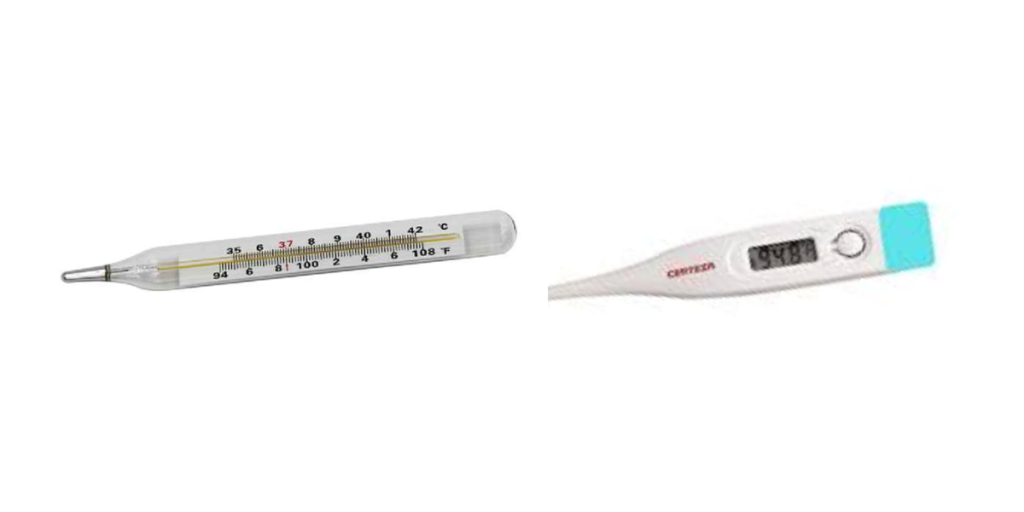
The thermometer, a seemingly simple instrument, has played a profound role in shaping our understanding of the physical world. From its humble beginnings as a basic temperature indicator to the sophisticated, digital devices of today, the thermometer has been a critical tool in science, industry, and everyday life. In this comprehensive exploration, we journey through the history, principles, types, applications, and technological advancements of the thermometer, uncovering the threads that weave together the tapestry of temperature measurement.
The Historical Mercury Thread:
1. Galileo’s Air Thermoscope:
The concept of temperature measurement dates back to the 16th century, with Galileo’s invention of the air thermoscope. This precursor to the thermometer used the expansion and contraction of air in a glass bulb to indicate temperature changes.
2. The Mercury Thermometer:
In the early 18th century, the mercury thermometer emerged as a breakthrough in precision. Daniel Gabriel Fahrenheit, Anders Celsius, and others contributed to the development of standardized temperature scales and the use of mercury as a reliable liquid indicator.
The Principles of Temperature Measurement:

3. Expansion and Contraction:
The fundamental principle underlying most thermometers is the expansion and contraction of materials with temperature changes. As the temperature rises, substances like mercury, alcohol, or gas expand, causing a measurable change in volume.
4. Thermal Equilibrium:
Temperature measurement relies on achieving thermal equilibrium, where the thermometer and the substance being measured reach the same temperature. This ensures accurate readings by allowing the thermometer to reflect the temperature of the environment.
Types of Thermometers:
5. Mercury Thermometers:
Despite their historical significance, mercury thermometers have faced challenges due to the toxicity of mercury. Many countries have phased them out in favor of safer alternatives.
6. Alcohol Thermometers:
Alcohol thermometers, using colored alcohol as the indicator liquid, provide a safe alternative to mercury. They are commonly used in household and laboratory applications.
7. Bimetallic Strip Thermometers:
Bimetallic strip thermometers use the differential expansion of two metals bonded together. As the temperature changes, the strip bends, translating the thermal expansion into a measurable mechanical displacement.
8. Gas Thermometers:
Gas thermometers rely on the principles of gas expansion and contraction. These instruments often use noble gases or air as the working substance and are employed in precision scientific measurements.
9. Digital Thermometers:
Digital thermometers have become ubiquitous in modern times. They use electronic sensors, such as thermocouples or infrared sensors, to measure temperature and display readings digitally. Digital thermometers are versatile and found in various forms, from kitchen thermometers to clinical thermometers.
10. Infrared Thermometers:
Infrared thermometers measure temperature without direct contact. They detect the infrared radiation emitted by an object and convert it into a temperature reading. Infrared thermometers are widely used in industrial, medical, and culinary applications.
Applications Across Diverse Fields:

11. Clinical Thermometry:
Clinical thermometers, commonly used for measuring body temperature, play a crucial role in healthcare. From traditional mercury-based clinical thermometers to modern digital ear thermometers, accurate temperature measurement is essential for diagnosing and monitoring health.
12. Industrial Thermometry:
In industrial settings, thermometers are employed for processes that require precise temperature control. From manufacturing to chemical processing, accurate temperature measurements are crucial for quality assurance and safety.
13. Meteorological Thermometers:
Meteorological thermometers are integral to weather monitoring and forecasting. Instruments like the maximum-minimum thermometer record temperature extremes, providing valuable data for climatic studies.
14. Food and Culinary Thermometers:
Food thermometers ensure the safety and quality of culinary creations. From meat thermometers for precise cooking temperatures to candy thermometers for accurate confectionery, these tools are essential in kitchens worldwide.
15. Environmental Thermometry:
In environmental science, thermometers are used to monitor temperature variations in ecosystems, bodies of water, and the atmosphere. This data aids in understanding climate patterns and environmental changes.
16. HVAC Systems:
Heating, ventilation, and air conditioning (HVAC) systems rely on accurate temperature measurements for efficient climate control. Thermostats and temperature sensors regulate indoor environments, optimizing comfort and energy efficiency.
Technological Advancements in Thermometry:
17. Innovations in Sensor Technology:
Advancements in sensor technology, including thermocouples and resistance temperature detectors (RTDs), have enhanced the precision and reliability of temperature measurements in various applications.
18. Wireless and Smart Thermometers:
The integration of wireless technology and smart features has transformed thermometers. Wireless temperature sensors transmit data remotely, while smart thermometers offer real-time monitoring and data logging via mobile apps.
19. Non-Contact Infrared Thermometers:
Non-contact infrared thermometers, widely used in healthcare and industry, have become especially prominent in recent times. Their ability to provide rapid temperature readings without direct contact makes them valuable for screening and safety protocols.
FAQs: Navigating the Thermometer
Q1: Are mercury thermometers still used?
A1: In many places, mercury thermometers have been phased out due to the toxicity of mercury. Safer alternatives, such as alcohol thermometers and digital thermometers, are now widely used.
Q2: How do infrared thermometers work?
A2: Infrared thermometers detect the infrared radiation emitted by an object. The sensor converts the radiation into an electrical signal, and the thermometer calculates the temperature based on this signal. These thermometers are non-contact and provide quick readings.
Q3: Can digital thermometers be used for all temperature measurements?
A3: Digital thermometers are versatile and can be used for a wide range of temperature measurements. However, specific types of digital thermometers may be more suitable for certain applications, such as
clinical, industrial, or environmental measurements.
Q4: What is the ideal way to clean and maintain a thermometer?
A4: The cleaning and maintenance of thermometers depend on the type. For mercury or alcohol thermometers, wiping with a damp cloth is sufficient. Digital thermometers may have specific cleaning instructions provided by the manufacturer. Regular calibration is essential for accuracy.
Q5: Are there temperature scales other than Celsius and Fahrenheit?
A5: Yes, several temperature scales exist. Kelvin is a common scientific scale where 0 K is absolute zero. In some applications, the Rankine scale, which is based on Fahrenheit degrees, is used. Different industries may prefer specific scales for their measurements.
Q6: Can a thermometer be used to measure extremely high or low temperatures?
A6: The range of temperatures a thermometer can measure depends on its type and design. Different thermometers are suitable for different temperature ranges. Specialized instruments, such as pyrometers, can measure extremely high temperatures.
Q7: How accurate are modern thermometers?
A7: Modern thermometers, especially digital ones, can be highly accurate when used and calibrated correctly. The accuracy may vary depending on the type of thermometer and its intended application.
Q8: Can a thermometer measure the temperature of gases?
A8: Yes, thermometers can measure the temperature of gases. Gas thermometers, including those using noble gases, are designed to measure temperatures accurately. Infrared thermometers are also used to measure the temperature of gases without direct contact.
Q9: How do bimetallic strip thermometers work?
A9: Bimetallic strip thermometers use two different metals with different coefficients of thermal expansion. As temperature changes, one metal expands or contracts more than the other, causing the strip to bend. This bending is then translated into a temperature reading.
Q10: Are there thermometers for measuring the temperature of liquids?
A10: Yes, thermometers designed for liquid temperature measurements are common. In industries like manufacturing and laboratories, liquid-in-glass thermometers or digital thermometers with suitable probes are used to measure the temperature of liquids.
Conclusion:
The thermometer, a humble yet indispensable instrument, has woven its way into the fabric of human discovery and technological progress. From its early days as a Galilean air thermoscope to the digital marvels of the 21st century, the thermometer continues to be a gateway to understanding the fundamental aspect of temperature. Its applications span diverse fields, from healthcare to meteorology, and its evolution reflects not only scientific advancements but also a commitment to safety and precision. As we navigate the complexities of temperature measurement, the thermometer remains a steadfast companion, unraveling the mysteries of the thermal world and contributing to the foundation of knowledge that shapes our understanding of the universe.
Related links: The Art and Science of Pipettes.


