







Climate Change: A Comprehensive Exploration
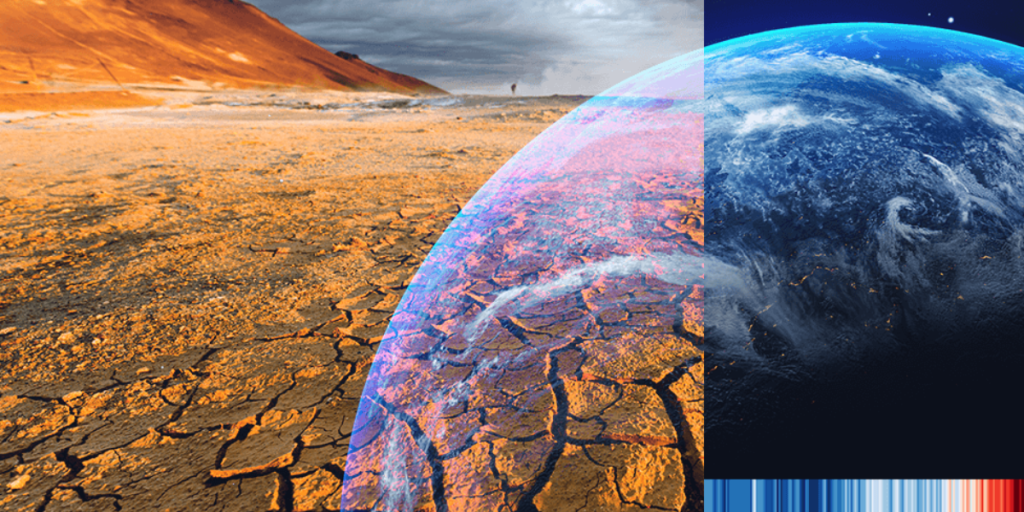
Climate change, a phrase echoing through scientific discussions, political debates, and global conversations, represents one of the most pressing challenges of our time. It is a multifaceted phenomenon that transcends geographic boundaries, impacting ecosystems, societies, and economies on a planetary scale. In this comprehensive exploration, we will delve into the intricate threads of climate change, examining its causes, consequences, mitigation efforts, and the imperative for collective action.
Understanding the Foundations:
1. The Greenhouse Effect:
At the heart of climate change lies the greenhouse effect, a natural phenomenon crucial for sustaining life on Earth. Solar radiation penetrates the atmosphere, warming the planet’s surface. The Earth then radiates heat back into space, but greenhouse gases trap some of this heat, preventing it from escaping entirely. This trapped heat maintains a temperature conducive to life.
2. Anthropogenic Influence:
While the greenhouse effect is essential, human activities have significantly intensified it. The burning of fossil fuels, deforestation, industrial processes, and other human-induced factors release vast amounts of greenhouse gases—carbon dioxide (CO2), methane (CH4), nitrous oxide (N2O), and fluorinated gases—into the atmosphere, enhancing the natural greenhouse effect.
The Causes and Contributors:
3. Burning of Fossil Fuels:
The combustion of fossil fuels—coal, oil, and natural gas—for energy is a primary contributor to increased atmospheric CO2 levels. Power generation, transportation, and industrial activities are major sources of emissions.
4. Deforestation:
Trees act as carbon sinks, absorbing CO2 during photosynthesis. Deforestation, driven by agriculture, logging, and urbanization, diminishes these carbon sinks, releasing stored carbon into the atmosphere and reducing the planet’s capacity to absorb CO2.
5. Industrial Processes:
Certain industrial activities release potent greenhouse gases. For example, the production of cement releases CO2, and the use of fluorinated gases in manufacturing contributes to warming.
6. Agricultural Practices:
Agriculture is a significant contributor to greenhouse gas emissions. Livestock, particularly cattle, produce methane during digestion, and rice cultivation releases methane from anaerobic decomposition.
7. Land Use Changes:
Changes in land use, such as converting forests to agricultural land, contribute to altered carbon dynamics. The release of stored carbon during land use changes amplifies the greenhouse effect.
Observing the Consequences:
8. Rising Temperatures:
Global temperatures have been rising, with notable increases over the past century. This warming trend is evidenced by rising surface temperatures, warming oceans, and shrinking ice caps and glaciers.
9. Extreme Weather Events:
The frequency and intensity of extreme weather events, including hurricanes, heatwaves, floods, and droughts, have increased. These events have profound implications for ecosystems, agriculture, and human communities.
10. Sea Level Rise:
Melting ice caps and glaciers, along with the expansion of seawater as it warms, contribute to rising sea levels. This poses risks to coastal communities, leading to increased flooding and erosion.
11. Ocean Acidification:
Increased atmospheric CO2 is absorbed by the world’s oceans, leading to ocean acidification. This has detrimental effects on marine ecosystems, particularly coral reefs and shell-forming organisms.
12. Biodiversity Loss:
Changes in temperature and habitat disruption threaten biodiversity. Many species face challenges adapting or migrating to suitable environments, leading to population declines and, in some cases, extinction.
13. Impact on Agriculture:
Shifts in temperature and precipitation patterns impact agricultural productivity. Changes in growing seasons, increased pests, and water scarcity present challenges to global food security.
Mitigating Climate Change:
14. Renewable Energy Transition:
Transitioning from fossil fuels to renewable energy sources, such as solar, wind, hydro, and geothermal power, is a critical step in reducing greenhouse gas emissions from the energy sector.
15. Afforestation and Reforestation:
Efforts to plant new forests (afforestation) and restore depleted ones (reforestation) enhance carbon sequestration, mitigating the impact of deforestation.
16. Energy Efficiency:
Improving energy efficiency in buildings, transportation, and industries reduces overall energy consumption and lowers greenhouse gas emissions.
17. Carbon Capture and Storage (CCS):
CCS technologies capture CO2 emissions from industrial processes and power plants, preventing them from entering the atmosphere. The captured CO2 is then stored underground or utilized in various industries.
18. Sustainable Agriculture Practices:
Adopting sustainable agricultural practices, such as precision farming, agroforestry, and organic farming, can reduce emissions and enhance resilience to climate change.
19. International Agreements:
International cooperation is vital in addressing climate change. Agreements like the Paris Agreement aim to bring nations together to collectively reduce emissions and limit global temperature increases.
Frequently Asked Questions (FAQs):
Q1: What is the difference between climate change and global warming?
A1: Global warming refers specifically to the increase in Earth’s average surface temperature, while climate change encompasses broader changes in climate patterns, including temperature, precipitation, and extreme events.
Q2: How do scientists attribute specific weather events to climate change?
A2: While scientists cannot attribute individual weather events solely to climate change, they use climate models to assess how human activities may influence the frequency and intensity of certain events, contributing to our understanding of climate change impacts.
Q3: Can we reverse the effects of climate change?
A3: While some impacts of climate change are irreversible, immediate and sustained efforts to reduce greenhouse gas emissions and implement mitigation strategies can mitigate future impacts and promote adaptation.
Q4: How does climate change affect vulnerable populations?
A4: Vulnerable populations, including low-income communities and those in coastal areas, are disproportionately affected by climate change. They often lack resources to cope with extreme weather events and face increased risks of displacement and food insecurity.
Q5: What is the role of individuals in combating climate change?
A5: Individuals can contribute by reducing their carbon footprint through energy conservation, sustainable transportation, and responsible consumption. Advocating for policy changes and supporting initiatives that address climate change also play crucial roles.
Q6: How does climate change impact ecosystems?
A6: Climate change affects ecosystems by disrupting biodiversity, altering habitats, and threatening the survival of many species. Changes in temperature and precipitation patterns can lead to shifts in ecosystems and the loss of critical habitats.
Q7: Is nuclear energy a solution to climate change?
A7: Nuclear energy is considered by some as a low-carbon alternative to fossil fuels. However, challenges such as safety concerns, nuclear waste disposal, and high costs must be carefully considered in evaluating its role in addressing climate change.
Q8: Why is the melting of ice caps and glaciers a concern?
A8: The melting of ice caps and glaciers contributes to rising sea levels, which poses risks to coastal communities. Additionally, the loss of reflective ice surfaces reduces Earth’s albedo, leading to further warming.
Q9: What is the impact of climate change on water resources?
A9: Climate change affects water resources by altering precipitation patterns
, leading to droughts or floods. Changes in temperature can also impact the availability of freshwater resources, affecting agriculture, industry, and communities.
Q10: Can technology alone solve the climate crisis?
A10: While technology plays a crucial role in mitigation and adaptation, addressing the climate crisis requires a holistic approach. Societal changes, policy interventions, and international cooperation are equally essential to effectively combat climate change.
Conclusion:
Climate change is an intricate tapestry woven by the interplay of natural processes and human activities. As we navigate the complexities of this global challenge, understanding its roots, consequences, and potential solutions becomes paramount. The urgency to act collectively, as nations and individuals, has never been clearer. Through sustainable practices, technological innovations, and global cooperation, we can strive to unravel and reshape the threads of climate change, creating a more resilient and sustainable future for generations to come.
Related links:https://fullsci.net/unveiling-the-power-of-tomorrow-a-comprehensive-exploration-of-renewable-energy/


