







The Art and Science of Pipettes: A Comprehensive Exploration 2024
Introduction:
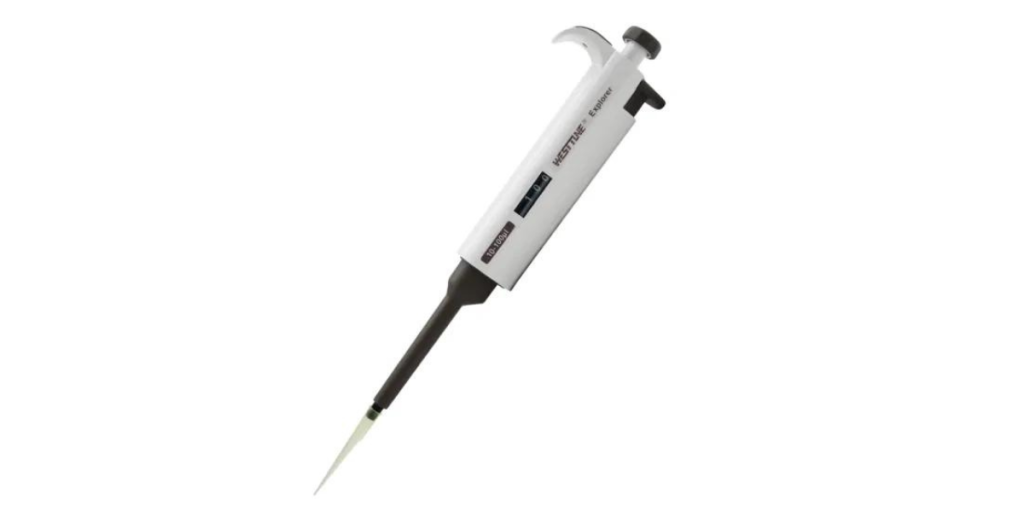
Pipettes the dynamic landscape of laboratories and research facilities, precision and accuracy are non-negotiable. Among the myriad tools that contribute to the success of scientific endeavors, the pipette stands out as a workhorse for measuring and dispensing liquids with unparalleled accuracy. In this comprehensive guide, we will delve into the rich history, diverse types, applications, maintenance practices, and address frequently asked questions surrounding pipettes.
I. History of Pipettes:
The journey of the pipette is a captivating exploration into the evolution of laboratory tools designed to meet the ever-growing demands of scientific research.
1. Early Innovations:
The roots of the pipette trace back to the early 19th century when scientists and researchers began using rudimentary glass tubes with open ends to measure liquids. These early pipettes, lacking precision, heavily relied on the skill of the operator for accurate measurements.
2. Otto Folin and the Graduated Pipette:
The landscape of liquid measurement changed significantly in the early 20th century with the introduction of the graduated pipette by Otto Folin, a prominent biochemist. This innovative design featured calibrated markings along the tube’s length, offering a more precise means of volume measurement. Folin’s contribution marked a pivotal moment in the refinement of pipette technology.
3. Pasteur Pipette:
Louis Pasteur, a towering figure in the field of microbiology, left an indelible mark on pipette development. He introduced the Pasteur pipette, characterized by its elongated and tapered shape, facilitating accurate measurements and ease of use. This design laid the foundation for future advancements in pipette technology.
II. Types of Pipettes:
As scientific techniques evolved, so did the need for specialized pipettes. Today, various types of pipettes cater to distinct applications, ensuring versatility and precision in diverse scientific endeavors.
1. Volumetric Pipettes:
Volumetric pipettes, with a single volume marking, are designed for precise measurement of a specific volume. These are commonly used in analytical chemistry and quality control processes where accuracy is paramount.
2. Micropipettes:
Micropipettes, characterized by their ability to measure very small volumes, have become indispensable in molecular biology, biochemistry, and microbiology. These pipettes often come with adjustable volume settings, offering flexibility in experimental setups.
3. Serological Pipettes:
Serological pipettes, marked with graduations along the entire length, are commonly used in cell culture and experimental setups where multiple volumes are required. The design allows for the dispensing of variable volumes accurately.
4. Transfer Pipettes:
Transfer pipettes, also known as Pasteur pipettes, are simple devices used for transferring liquids between containers. They are particularly useful in situations where precision is not as critical.
5. Multichannel Pipettes:
Multichannel pipettes are designed to expedite the pipetting process by allowing the simultaneous aspiration and dispensing of multiple samples. These are widely used in high-throughput screening and other applications requiring efficiency.
III. Applications of Pipettes:
Pipettes find applications across a spectrum of scientific disciplines, playing a crucial role in ensuring accurate and reproducible results.
1. Molecular Biology:
In molecular biology, particularly in DNA and RNA research, micropipettes are essential for accurately dispensing small volumes of reagents. This precision is critical for the success of techniques such as polymerase chain reaction (PCR) and DNA sequencing.
2. Clinical Diagnostics:
In clinical laboratories, pipettes are instrumental in tasks ranging from blood sample preparation to the measurement of diagnostic reagents. Volumetric and micropipettes are commonly used for their accuracy and reliability.
3. Pharmaceutical Research:
The pharmaceutical industry heavily relies on pipettes for drug formulation, quality control, and research. Accurate dispensing of liquids is imperative in drug development, where even slight variations can have significant consequences.
4. Environmental Testing:
In environmental research, pipettes are used to measure and dispense precise amounts of samples and reagents in studies related to water quality, pollution, and other environmental factors.
5. Food and Beverage Industry:
In the food and beverage industry, pipettes are employed for quality control and research purposes. Precise measurements are crucial in developing new products and ensuring consistency in flavor profiles.
IV. Proper Pipetting Techniques:
While pipettes are versatile tools, achieving accurate results requires adherence to proper pipetting techniques. Here are some fundamental practices for optimal pipetting:
1. Calibration:
Regular calibration of pipettes is essential to maintain accuracy. Calibration ensures that the delivered volumes match the intended volumes, safeguarding the integrity of experimental results.
2. Pipette Tips:
Choosing the correct pipette tips is crucial. The wrong type or size of pipette tip can lead to inaccuracies. Ensure that the tip fits securely to prevent leakage or contamination.
3. Pre-Wetting:
Pre-wetting the pipette tip with the liquid being dispensed helps improve accuracy by minimizing liquid retention. This is particularly important when working with viscous or volatile liquids.
4. Vertical Pipetting:
Pipetting vertically ensures that the liquid is drawn up or dispensed accurately. Tilting the pipette can lead to incorrect volumes due to variations in liquid surface tension.
5. Consistent Technique:
Maintain a consistent pipetting technique throughout the experiment. Variations in speed or depth can affect the accuracy of volume measurements.
6. Avoid Air Bubbles:
Carefully expel any air bubbles present in the pipette tip before dispensing. Air bubbles can lead to inaccuracies in volume measurements.
V. Maintenance of Pipettes:
Proper maintenance is essential to prolong the life of pipettes and ensure reliable performance. Regular care and attention to detail can prevent issues and maintain the accuracy of volume measurements.
1. Cleaning:
Regularly clean pipettes to prevent contamination and ensure accurate measurements. Use mild detergents and follow the manufacturer’s guidelines for cleaning procedures.
2. Inspection:
Regularly inspect pipettes for signs of wear, damage, or malfunction. Address any issues promptly to prevent compromised accuracy.
3. Calibration Checks:
Schedule regular calibration checks, either through in-house procedures or by sending pipettes to certified calibration services. This is crucial for maintaining accuracy and traceability.
4. Storage:
Store pipettes in a designated area, away from extreme temperatures, direct sunlight, and corrosive substances. Proper storage prevents damage and ensures the longevity of pipettes.
Frequently Asked Questions (FAQs):
Q1: Why is calibration important for pipettes?
A1: Calibration is essential to ensure that the pipette delivers accurate and precise volumes. Regular calibration helps maintain the reliability of experimental results and adherence to quality standards.
Q2: Can different pipette tips be used interchangeably?
A2: It is crucial to use the correct pipette tips specified by the manufacturer. Interchanging tips may lead to inaccurate measurements, affecting the reproducibility of results.
Q3: How often should pipettes be calibrated?
A3: The frequency of calibration depends on the frequency of use and the nature of the liquids being dispensed. Pipettes used more frequently or with volatile substances may require more frequent calibration.
Q4: What is the difference between adjustable and fixed-volume pipettes?
A4: Adjustable-volume pipettes allow users to set the
desired volume, making them versatile for various applications. Fixed-volume pipettes dispense a specific, pre-set volume and are suitable for tasks requiring consistency.
Q5: How should pipettes be decontaminated?
A5: Decontaminate pipettes by cleaning them with mild detergents or using disinfectants specified by the manufacturer. Follow recommended procedures to ensure effective decontamination without damaging the pipette.
Q6: Can pipettes be used for all types of liquids?
A6: Pipettes are designed for specific liquid types, and compatibility varies. Ensure that the pipette is suitable for the viscosity and chemical properties of the liquid being dispensed.
Q7: What is the significance of pre-wetting pipette tips?
A7: Pre-wetting minimizes liquid retention in the pipette tip, ensuring accurate and reproducible measurements. It is especially important when working with viscous or volatile liquids.
Q8: Are there any alternatives to traditional pipettes?
A8: While traditional pipettes remain widely used, alternatives such as electronic or automated pipetting systems are gaining popularity, offering enhanced precision and efficiency in high-throughput applications.
Conclusion:
The pipette, an unassuming yet indispensable tool in the scientific arsenal, has undergone a remarkable evolution since its humble beginnings. From the simplicity of early glass tubes to the precision of modern electronic pipettes, this instrument continues to shape the landscape of scientific discovery and technological innovation. Understanding the diverse types, proper usage, and maintenance practices ensures that pipettes remain reliable companions in the pursuit of knowledge across various scientific disciplines. As technology advances, so too will the capabilities of the pipette, solidifying its place as a cornerstone of laboratory excellence.
Related link: Centrifuges.


