







Renewable Energy: A Comprehensive Exploration of Renewable Energy 2024
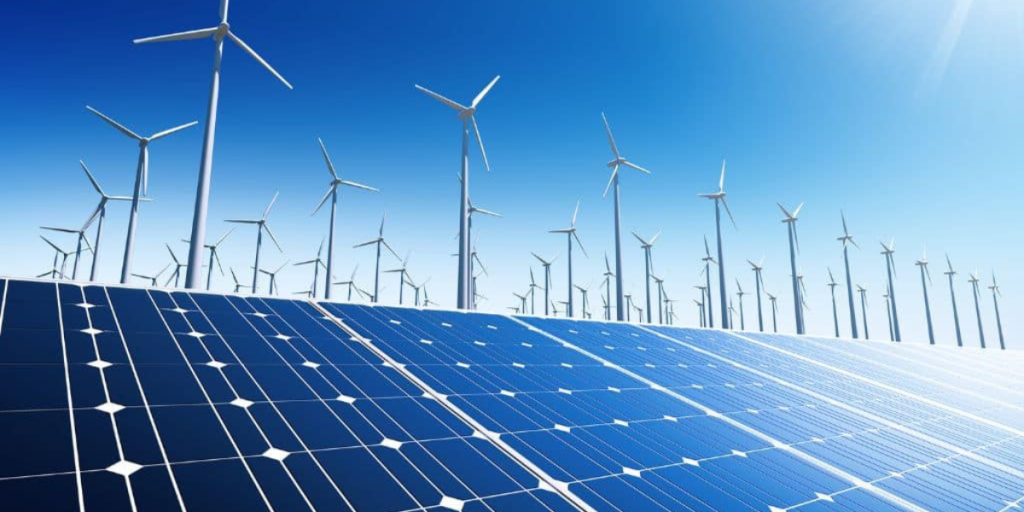
Renewable energy stands at the forefront of a transformative revolution in the global energy landscape. As the world grapples with the consequences of fossil fuel consumption, the pursuit of sustainable and environmentally friendly alternatives has gained unprecedented momentum. In this in-depth exploration, we unravel the intricacies of renewable energy—its sources, technologies, benefits, challenges, and the role it plays in shaping a cleaner, more sustainable future.
Embracing the Energy Transition:
1. Definition of Renewable Energy:
Renewable energy refers to energy derived from naturally replenishing sources that are virtually inexhaustible. Unlike finite fossil fuels, renewable sources harness the power of natural processes, ensuring a continuous and sustainable energy supply.
2. Key Renewable Energy Sources:
- Solar Energy: Capturing the sun’s rays through photovoltaic cells or solar thermal systems.
- Wind Energy: Utilizing the kinetic energy of wind to generate electricity through wind turbines.
- Hydropower: Harnessing the energy of flowing or falling water to generate electricity.
- Geothermal Energy: Tapping into the Earth’s internal heat for power generation.
- Biomass: Utilizing organic materials such as wood, crop residues, and organic waste for energy production.
Unveiling the Technologies:
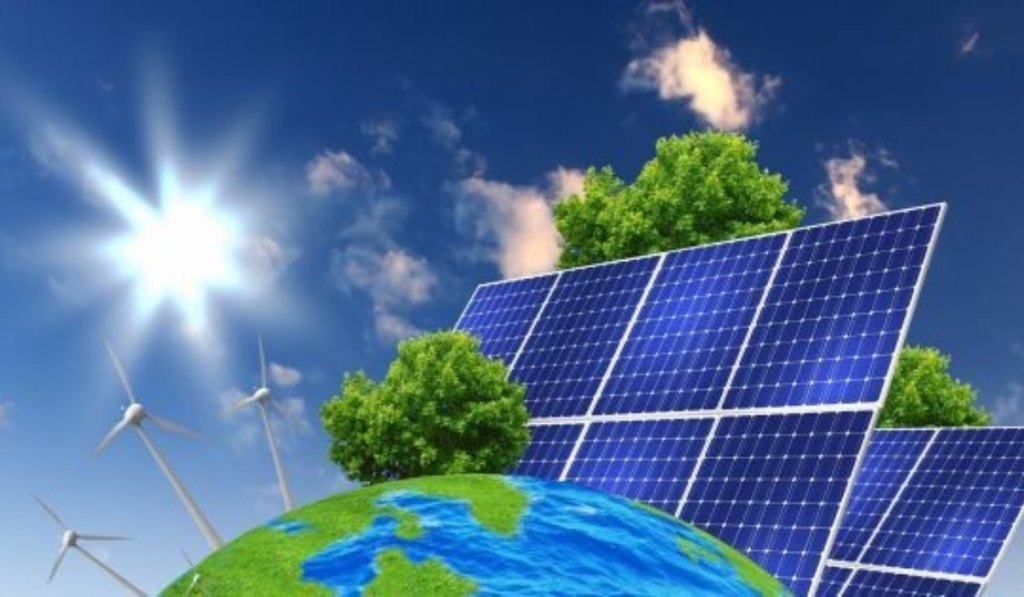
3. Solar Power Technologies:
- Photovoltaic (PV) Systems: Converting sunlight directly into electricity through solar cells.
- Solar Thermal Systems: Capturing solar energy to generate steam, which drives turbines for electricity generation.
4. Wind Power Technologies:
- Onshore Wind Turbines: Placed on land to capture wind energy for electricity generation.
- Offshore Wind Turbines: Located in bodies of water to harness stronger and more consistent winds.
5. Hydropower Technologies:
- Hydropower Dams: Harnessing the energy of flowing water to generate electricity through turbines.
- Run-of-River Systems: Allowing the natural flow of rivers to generate electricity without significant damming.
6. Geothermal Power Technologies:
- Geothermal Power Plants: Tapping into natural heat from the Earth’s interior to generate electricity.
- Geothermal Heat Pumps: Utilizing the Earth’s stable temperatures for heating and cooling buildings.
7. Biomass Technologies:
- Direct Combustion: Burning biomass directly for heat or electricity.
- Biochemical Conversion: Using microorganisms to break down biomass for fuel production.
Advantages of Renewable Energy:

8. Reducing Greenhouse Gas Emissions:
Renewable energy sources produce significantly lower greenhouse gas emissions compared to fossil fuels, mitigating climate change impacts.
9. Enhancing Energy Security:
Diversifying the energy mix with renewables reduces dependence on finite and geopolitically sensitive fossil fuel resources.
10. Promoting Sustainable Development:
Renewable energy projects contribute to sustainable development by fostering economic growth, creating jobs, and providing energy access to remote areas.
11. Mitigating Air and Water Pollution:
Unlike fossil fuel combustion, renewable energy technologies produce minimal air and water pollutants, improving environmental quality.
12. Limiting Resource Depletion:
Renewable sources, such as sunlight and wind, are essentially inexhaustible, mitigating concerns about resource depletion.
13. Economic Opportunities:
The renewable energy sector presents significant economic opportunities, from manufacturing and installation to research and development.
Overcoming Challenges:
14. Intermittency and Reliability:
The variability of renewable sources, such as solar and wind, poses challenges to maintaining a consistent power supply.
15. Energy Storage:
Developing efficient and scalable energy storage solutions is crucial for storing excess energy generated during peak times for use during low-demand periods.
16. Grid Integration:
Integrating renewable energy into existing grids requires sophisticated infrastructure upgrades and smart grid technologies.
17. Land Use and Environmental Impact:
Certain renewable projects, such as large-scale hydropower dams and solar farms, can impact local ecosystems and require careful planning.
18. Initial Cost:
While the costs of renewable technologies have decreased significantly, the initial investment can still be a barrier to widespread adoption.
Navigating Global Trends:
19. Decentralization of Power Generation:
Renewable energy facilitates a shift toward decentralized power generation, empowering communities and reducing reliance on centralized grids.
20. Transitioning to Electrification:
The electrification of various sectors, including transportation and heating, is a key trend driven by the increasing availability of renewable electricity.
21. Emergence of Green Hydrogen:
The development of green hydrogen, produced using renewable energy, holds promise as a clean fuel for industries and transportation.
22. Investment and Policy Support:
Global efforts to combat climate change have spurred increased investment and policy support for renewable energy projects.
Frequently Asked Questions (FAQs):
Q1: What is the current share of renewable energy in the global energy mix?
A1: As of [latest available data], renewable energy contributes to approximately [percentage] of the global energy mix. This share is expected to grow significantly in the coming years.
Q2: How do solar panels work to generate electricity?
A2: Solar panels generate electricity through the photovoltaic effect. When sunlight strikes the solar cells, it excites electrons, creating an electric current that can be harnessed for electricity.
Q3: Can renewable energy meet all our energy needs?
A3: While renewable energy has the potential to meet a substantial portion of global energy needs, a diverse energy mix that includes renewables, nuclear, and other sources is likely necessary for a reliable and resilient energy system.
Q4: What role does energy storage play in renewable energy systems?
A4: Energy storage is critical for balancing the intermittent nature of certain renewable sources. Technologies like batteries store excess energy during peak generation for use during low-demand periods.
Q5: Are renewable energy technologies economically viable?
A5: The economic viability of renewable technologies has improved significantly, with costs decreasing over the years. In many regions, renewables are competitive with or even cheaper than fossil fuels.
Q6: How can individuals contribute to the adoption of renewable energy?
A6: Individuals can contribute by installing residential solar panels, supporting renewable energy policies, and making energy-efficient choices in their homes and lifestyles.
Q7: What is the potential of offshore wind energy?
A7: Offshore wind energy has vast potential due to stronger and more consistent winds at sea. It can contribute significantly to the renewable energy capacity of coastal regions.
Q8: How does biomass energy differ from other renewable sources?
A8: Biomass energy involves using organic materials for fuel. It differs from other renewables like solar and wind, which harness natural processes directly.
Q9: Can renewable energy solve the climate crisis?
A9: While renewable energy is a crucial component of addressing the climate crisis, a comprehensive approach that includes energy efficiency, lifestyle changes, and policy measures is needed.
Q10: What is the future outlook for renewable energy adoption?
**A10
:** The future outlook for renewable energy adoption is optimistic, with ongoing advancements in technology, supportive policies, and growing awareness of the need for sustainable energy solutions.
Conclusion:
Renewable energy stands as a beacon of hope in the quest for a sustainable and resilient energy future. From the relentless power of the sun to the rhythmic dance of wind, harnessing nature’s gifts has become not just a choice but a necessity. As we navigate the complexities of a rapidly changing world, the adoption of renewable energy emerges as a powerful catalyst for positive transformation. The journey towards a cleaner, greener, and more sustainable future is well underway, and the promise of renewable energy illuminates the path ahead—a path towards a world where energy is not just a resource but a force for good.
Related links: Biodiversity


