







Biodiversity: A Deep Dive into Biodiversity 2024
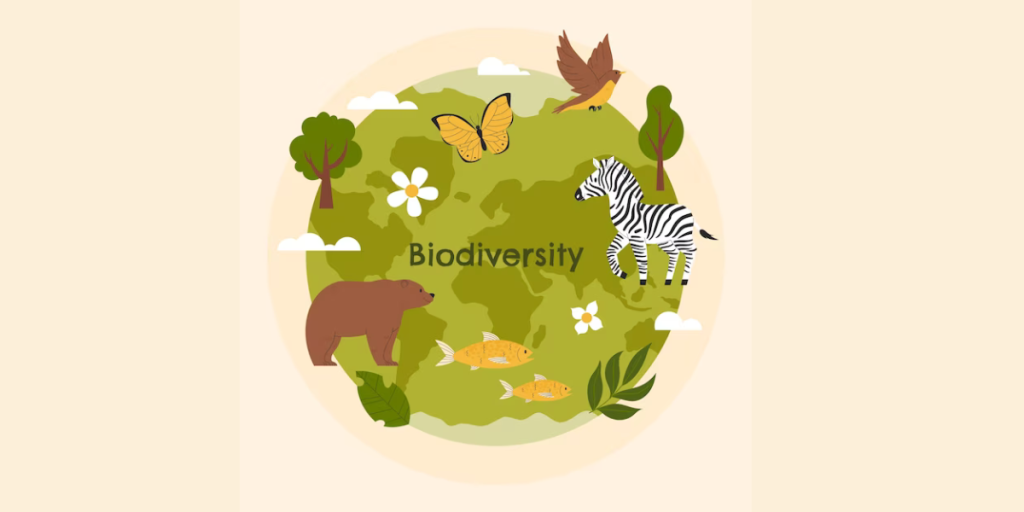
Biodiversity, the intricate tapestry of life on Earth, weaves together an extraordinary array of organisms, ecosystems, and genetic diversity. As a cornerstone of the planet’s health and resilience, biodiversity encompasses the variety of life forms and their interactions, playing a crucial role in sustaining ecosystems and supporting human well-being. In this comprehensive exploration, we embark on a journey to unravel the significance of biodiversity, its current challenges, and the imperative for conservation efforts.
Defining Biodiversity:
1. Understanding Biodiversity:
Biodiversity, a contraction of “biological diversity,” encompasses the variety of life at different levels—species, ecosystems, and genetic diversity within species. It is a measure of the richness and complexity of life on Earth.
2. Three Levels of Biodiversity:
- Genetic Diversity: The variety of genes within a species, essential for adaptation and resilience.
- Species Diversity: The variety of species in a particular ecosystem or on the entire planet.
- Ecosystem Diversity: The variety of ecosystems, including forests, wetlands, deserts, and oceans.
The Importance of Biodiversity:

3. Ecosystem Stability and Resilience:
Biodiverse ecosystems tend to be more stable and resilient, better able to withstand environmental changes, diseases, and disturbances.
4. Ecological Balance:
Each species in an ecosystem plays a specific role, contributing to the overall balance and functioning of the ecosystem.
5. Medicinal Resources:
Many medicines are derived from plants, animals, and microorganisms, emphasizing the importance of biodiversity in pharmaceutical discoveries.
6. Food Security:
Biodiversity is crucial for global food security, providing a diverse array of crops, livestock, and marine resources.
7. Cultural and Recreational Value:
Biodiversity enriches human cultures, providing aesthetic, spiritual, and recreational values, as well as supporting traditional practices.
8. Climate Regulation:
Forests, oceans, and other ecosystems play a vital role in regulating the Earth’s climate by absorbing and storing carbon dioxide.
Current Challenges to Biodiversity:

9. Habitat Loss and Fragmentation:
Human activities, such as deforestation and urbanization, result in the loss and fragmentation of natural habitats, threatening many species.
10. Climate Change:
Rising temperatures, altered precipitation patterns, and extreme weather events disrupt ecosystems and impact the distribution of species.
11. Pollution:
Pollution, including air and water pollution, negatively affects biodiversity by harming species directly or degrading their habitats.
12. Overexploitation:
Overharvesting of species for trade, hunting, and fishing can lead to population declines and even extinction.
13. Invasive Species:
The introduction of non-native species can outcompete or prey upon native species, leading to declines in native biodiversity.
14. Disease:
Emerging diseases, often facilitated by global travel and trade, can devastate wildlife populations.
Conservation Strategies:
15. Protected Areas:
Establishing and effectively managing protected areas help conserve biodiversity and provide essential habitats for species.
16. Sustainable Resource Management:
Adopting sustainable practices in forestry, agriculture, and fisheries helps reduce the impact of human activities on biodiversity.
17. Restoration Projects:
Efforts to restore degraded ecosystems can enhance biodiversity and contribute to the recovery of threatened species.
18. Community Engagement:
Involving local communities in conservation efforts ensures the sustainable use of resources and fosters a sense of responsibility.
19. International Cooperation:
Global cooperation and agreements, such as the Convention on Biological Diversity, aim to address biodiversity loss on a planetary scale.
Frequently Asked Questions (FAQs):
Q1: Why is biodiversity important for human survival?
A1: Biodiversity is essential for human survival as it provides ecosystem services, including food, medicine, clean air, and water. It contributes to the resilience of ecosystems, which in turn support agriculture, fisheries, and other critical aspects of human well-being.
Q2: How does biodiversity contribute to ecosystem services?
A2: Biodiversity contributes to ecosystem services by maintaining ecological balance, regulating climate, pollinating crops, providing clean water, and supporting nutrient cycling. These services are fundamental for the health and functioning of ecosystems.
Q3: What is the main cause of biodiversity loss?
A3: The main causes of biodiversity loss are human activities, including habitat destruction, climate change, pollution, overexploitation of species, and the introduction of invasive species.
Q4: Can biodiversity loss be reversed?
A4: While some impacts of biodiversity loss are irreversible, conservation efforts, habitat restoration, and sustainable practices can help slow down and, in some cases, reverse the decline of certain species and ecosystems.
Q5: How can individuals contribute to biodiversity conservation?
A5: Individuals can contribute to biodiversity conservation by practicing sustainable living, supporting conservation organizations, raising awareness, and advocating for policies that promote biodiversity protection.
Q6: What is the role of genetic diversity in biodiversity?
A6: Genetic diversity within species is crucial for adaptation to environmental changes, resistance to diseases, and the overall resilience of populations. It provides the raw material for evolution and ensures the long-term survival of species.
Q7: How does biodiversity contribute to climate change mitigation?
A7: Biodiverse ecosystems, especially forests, act as carbon sinks, absorbing and storing carbon dioxide. They play a critical role in mitigating climate change by regulating the Earth’s climate and helping offset greenhouse gas emissions.
Q8: Are there success stories in biodiversity conservation?
A8: Yes, there are success stories in biodiversity conservation, including the recovery of certain species from the brink of extinction, the establishment of effective protected areas, and the implementation of sustainable resource management practices in various regions.
Q9: Why should we care about the loss of species that don’t directly impact humans?
A9: All species, whether directly impactful on humans or not, contribute to the overall functioning and resilience of ecosystems. The loss of any species can disrupt ecological balance, lead to cascading effects on other species, and negatively impact the services ecosystems provide.
Q10: How does biodiversity relate to the concept of “One Health”?
A10: The “One Health” concept recognizes the interconnectedness of human health, animal health, and the health of ecosystems. Biodiversity plays a crucial role in maintaining the health of ecosystems, which, in turn, influences human and animal health.
Conclusion:
Biodiversity is the symphony of life that harmonizes the planet, providing the conditions for diverse forms of life to coexist and thrive. As we navigate an era marked by unprecedented environmental challenges, understanding, appreciating, and safeguarding biodiversity becomes not just a responsibility but a collective imperative. The choices we make today, as individuals and as a global society, will shape the fate of countless species and the ecosystems they inhabit. Embracing the tapestry of life means recognizing the interconnectedness of all living things and striving for a future where biodiversity flourishes, ensuring a vibrant and resilient planet for generations to come.
Related Links: Sustainability


