







Nanotechnology Unveiled: A Journey into the World of Minuscule Marvels 2024
Introduction:
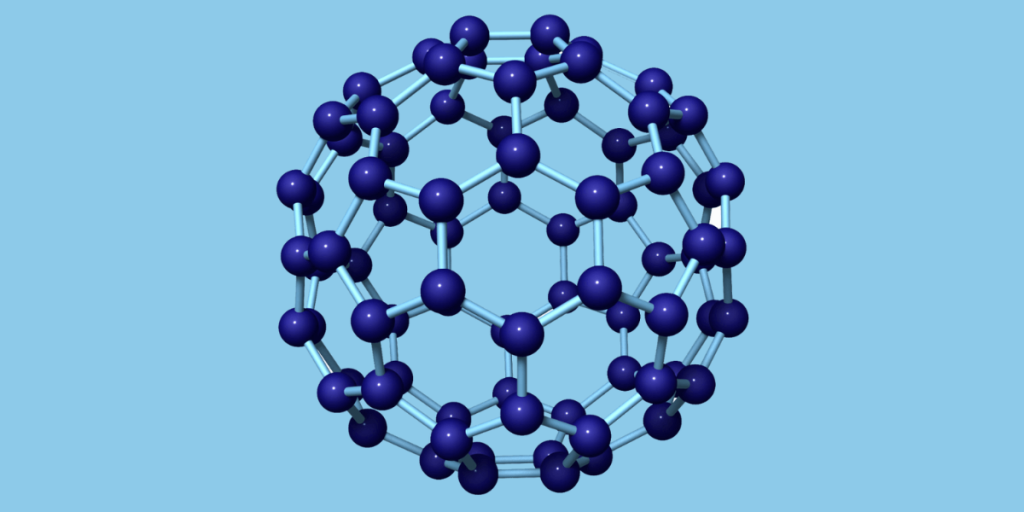
In the realm of scientific exploration and technological innovation, nanotechnology stands as a revolutionary force, manipulating matter at the atomic and molecular levels. This comprehensive guide delves into the fascinating world of nanotechnology, exploring its definition, historical roots, applications across diverse fields, ethical considerations, and the potential impact on the future of science and industry. As we journey into the minuscule realm of nanotechnology, we unravel the intricate possibilities and challenges that arise from harnessing the power of the incredibly small.
I. Understanding Nanotechnology:
1. Defining Nanotechnology:
Nanotechnology involves the manipulation and control of materials at the nanoscale, typically at dimensions less than 100 nanometers. At this scale, unique properties and behaviors emerge, enabling scientists and engineers to design and create materials with unprecedented precision.
2. Historical Evolution:
- Roots in Physics and Chemistry: The foundation of nanotechnology can be traced to the principles of quantum mechanics and the understanding of atomic and molecular interactions.
- Conceptual Beginnings: Physicist Richard Feynman’s 1959 lecture, “There’s Plenty of Room at the Bottom,” is often considered a catalyst for conceptualizing the possibilities of manipulating matter at the atomic scale.
3. Multidisciplinary Nature:
- Nanotechnology draws upon principles from physics, chemistry, biology, and engineering.
- Collaborative efforts across disciplines contribute to breakthroughs in nanomaterial design, fabrication techniques, and application development.
II. Nanotechnology Applications:
1. Electronics and Computing:
- Smaller, Faster Devices: Nanotechnology has enabled the miniaturization of electronic components, leading to smaller and more powerful devices.
- Quantum Dot Technology: Quantum dots, nanoscale semiconductor particles, have applications in high-resolution displays and imaging.
2. Medicine and Healthcare:
- Drug Delivery Systems: Nanoparticles are used for targeted drug delivery, enhancing treatment effectiveness and minimizing side effects.
- Diagnostic Tools: Nanoscale sensors and imaging agents improve the accuracy of medical diagnostics.
3. Materials Science:
- Enhanced Material Properties: Nanomaterials exhibit unique mechanical, thermal, and optical properties, leading to improved materials for various applications.
- Nanocomposites: Reinforcing traditional materials with nanoscale additives enhances strength, flexibility, and durability.
4. Energy and Environment:
- Solar Cells: Nanotechnology contributes to the development of more efficient and cost-effective solar cells.
- Water Purification: Nanomaterials are utilized in advanced filtration systems for water purification.
5. Manufacturing and Industry:
- Precision Manufacturing: Nanotechnology enables precision in manufacturing processes, contributing to the production of smaller and more efficient components.
- Nanofabrication Techniques: Techniques like nanolithography are essential for creating nanoscale structures in semiconductor manufacturing.
III. Ethical Considerations:
1. Health and Safety Concerns:
- Biological Interactions: The impact of nanomaterials on human health and the environment is a subject of ongoing research.
- Occupational Risks: Workers involved in nanotechnology research and production may face unique occupational hazards.
2. Privacy and Security:
- Surveillance Technology: The development of nanoscale surveillance devices raises concerns about privacy and ethical implications.
- Nanotechnology in Forensics: The use of nanotechnology in forensic science presents challenges related to ethical and legal considerations.
3. Dual-Use Applications:
- Militarization Concerns: Nanotechnology applications in defense and security may have dual-use implications, raising ethical dilemmas.
- International Collaboration: The global nature of nanotechnology research necessitates international cooperation to address ethical challenges.
IV. Nanotechnology in Research and Development:
1. Nanomedicine:
- Targeted Drug Delivery: Nanoparticles designed for targeted drug delivery systems offer precision in treating diseases.
- Theranostics: Combining diagnostics and therapy through nanotechnology for personalized medicine.
2. Nanoelectronics:
- Quantum Computing: Utilizing quantum properties of nanoscale particles for the development of quantum computers.
- Molecular Electronics: Exploring the potential of molecules as building blocks for electronic components.
3. Nanomaterials and Nanocomposites:
- Graphene: A single layer of carbon atoms arranged in a hexagonal lattice, graphene exhibits remarkable electrical, thermal, and mechanical properties.
- Carbon Nanotubes: Cylindrical structures with extraordinary strength and conductivity, finding applications in various industries.
4. Environmental Nanotechnology:
- Nanoremediation: Using nanomaterials to remediate environmental pollutants, such as heavy metals and industrial contaminants.
- Nanocatalysis: Enhancing catalytic processes for environmental applications using nanoscale catalysts.
V. Future Prospects and Challenges:
1. Advancements in Nanotechnology:
- Molecular Nanotechnology: Theoretical concept of precise manipulation at the molecular level for advanced manufacturing.
- Nanorobotics: Developing nanoscale robots for targeted medical interventions and other applications.
2. Challenges in Nanotechnology:
- Standardization and Regulation: The lack of standardized testing methods and regulations poses challenges in ensuring the safety and ethical use of nanotechnology.
- Public Perception: Addressing public concerns and ensuring informed consent in the use of nanotechnology applications.
VI. Frequently Asked Questions (FAQs) about Nanotechnology:
Q1: What is the significance of nanotechnology in medicine?
A1: Nanotechnology in medicine has transformative potential, particularly in drug delivery, imaging, and diagnostics. Nanoparticles can target specific cells, enhancing treatment efficacy while minimizing side effects. Diagnostic tools utilizing nanotechnology offer higher precision in detecting diseases.
Q2: How does nanotechnology contribute to electronics?
A2: Nanotechnology has revolutionized electronics by enabling the miniaturization of components. Quantum dot technology, for instance, allows the creation of smaller, more efficient electronic devices. Nanoscale materials also play a crucial role in the development of advanced semiconductors.
Q3: What ethical concerns surround the use of nanotechnology?
A3: Ethical considerations in nanotechnology include potential health and safety risks associated with exposure to nanomaterials, privacy concerns related to surveillance technologies, and dual-use applications with military implications. Ensuring responsible research, transparent communication, and international collaboration are essential to address these concerns.
Q4: How does nanotechnology impact the environment?
A4: Nanotechnology offers solutions for environmental challenges through applications like nanoremediation, which involves using nanomaterials to clean up pollutants. However, the environmental impact of certain nanomaterials and their long-term effects require careful consideration and ongoing research.
Q5: What are the challenges in the regulation of nanotechnology?
A5: The regulation of nanotechnology faces challenges due to the diverse nature of nanomaterials and their applications. Standardizing
testing methods, establishing clear safety guidelines, and addressing gaps in regulatory frameworks are crucial for ensuring the responsible development and use of nanotechnology.
Q6: Can nanotechnology be applied in energy-related fields?
A6: Yes, nanotechnology plays a significant role in energy-related applications. It contributes to the development of more efficient solar cells, advanced battery technologies, and materials for energy storage. Nanomaterials enhance the performance of energy-related devices and systems.
Q7: What role does nanotechnology play in materials science?
A7: Nanotechnology has revolutionized materials science by providing the ability to engineer materials at the nanoscale. This includes the development of nanocomposites with enhanced properties, such as increased strength and durability. Nanomaterials have diverse applications across industries.
Q8: How can nanotechnology impact computing and information technology?
A8: Nanotechnology contributes to computing and information technology through advancements in nanoelectronics. Quantum computing, molecular electronics, and the utilization of nanoscale components enable the development of faster and more efficient computing systems.
Conclusion:
Nanotechnology, with its profound impact across scientific disciplines and industries, heralds a new era of possibilities and challenges. As researchers and innovators continue to unlock the potential of the nanoscale, society grapples with ethical considerations and regulatory frameworks to ensure responsible development. The journey into the world of nanotechnology is both an exploration of the infinitesimally small and a reflection on the vast implications it holds for shaping the future of science, medicine, electronics, and beyond. As we stand at the intersection of discovery and responsibility, the evolution of nanotechnology unfolds as a testament to human ingenuity and the quest for understanding the intricacies of the universe, one nanometer at a time.
Related link: Artificial Intelligence.


