







Homo sapiens: Unraveling the Tapestry of Human Evolution
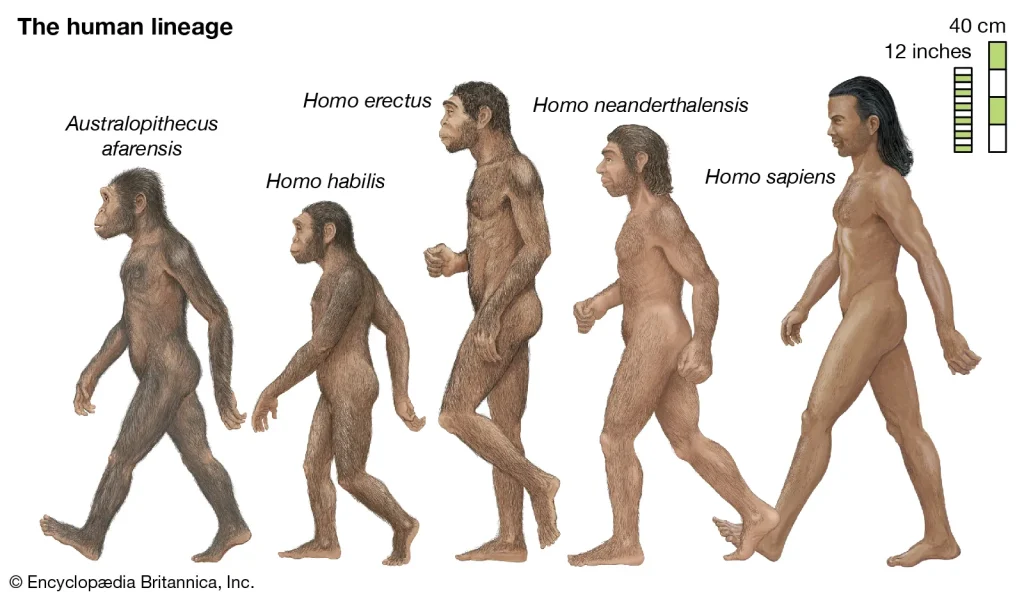
The story of Homo sapiens, our species, is an intricate tapestry woven across millennia, tracing the remarkable journey of human evolution. From the African savannas to the far reaches of the globe, Homo sapiens have not only survived but thrived, leaving an indelible mark on the planet. In this exploration, we will delve into the origins, characteristics, cultural evolution, and the extraordinary adaptability of Homo sapiens, shedding light on the fascinating narrative of our species.
The Origins of Homo sapiens:
1. Ancestral Roots:
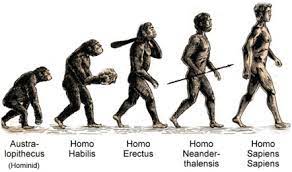
The journey of Homo sapiens begins in Africa around 200,000 years ago. While earlier hominin species, such as Homo habilis and Homo erectus, paved the way, it was Homo sapiens who emerged as the last surviving species of the Homo genus.
2. Evolutionary Milestones:
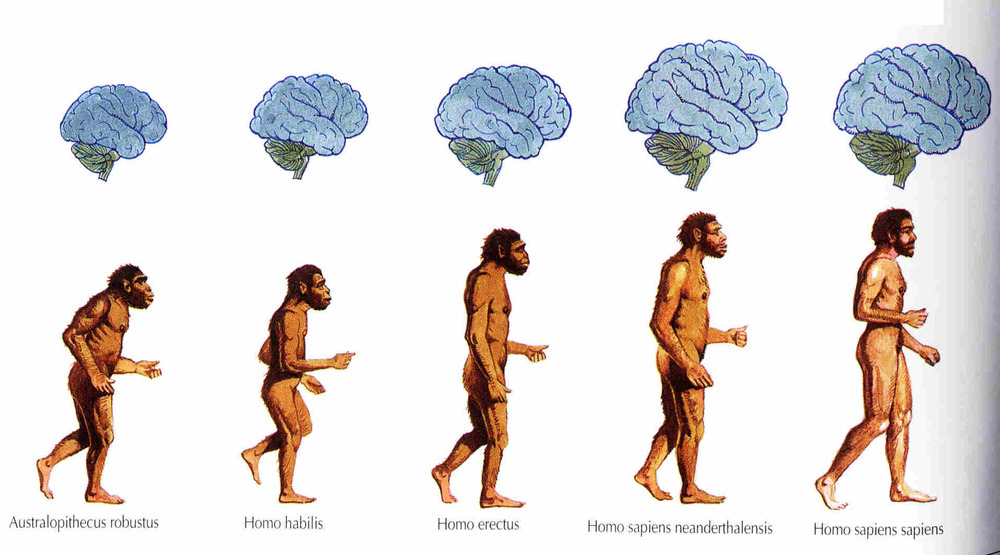
The process of evolution is marked by significant milestones, including anatomical adaptations, tool use, and social behaviors. The gradual development of bipedalism, increased brain size, and the refinement of tool-making skills set Homo sapiens on a distinct evolutionary path.
Key Evolutionary Features:
- Bipedalism: Walking on two legs freed up the hands for tool use and marked a critical adaptation.
- Encephalization: The growth of the brain, particularly the neocortex, contributed to higher cognitive functions.
- Complex Tool Use: Homo sapiens developed sophisticated tools, enhancing their ability to interact with and manipulate their environment.
Characteristics of Homo sapiens:
3. Cognitive Advancements:
The cognitive abilities of Homo sapiens set them apart. Complex thought processes, language development, and the capacity for abstract thinking have been integral to the success of our species.
4. Cultural Evolution:
The evolution of Homo sapiens is not only biological but also deeply cultural. The development of symbolic language, art, and the transmission of knowledge across generations have shaped our cultural landscape.
Cultural Milestones:
- Language: The emergence of complex language facilitated communication, cooperation, and the sharing of ideas.
- Art and Symbolism: Cave paintings, carvings, and symbolic artifacts reflect the capacity for abstract thought and cultural expression.
- Social Structures: Homo sapiens formed complex social structures, fostering cooperation, shared resources, and group survival.
5. Adaptability and Migration:
One of the defining features of Homo sapiens is their unparalleled adaptability. Migration out of Africa led to the colonization of diverse environments, from icy tundras to arid deserts, showcasing the remarkable ability to thrive in varied landscapes.
Key Migrations:
- Out-of-Africa Migration: Homo sapiens migrated from Africa to other continents, populating Eurasia, Australia, and the Americas.
- Cultural Diversification: Different populations developed unique cultural practices and adaptations in response to local environments.
Homo sapiens in the Modern World:
6. Agriculture and Civilization:
The advent of agriculture around 10,000 years ago marked a pivotal moment in human history. The shift from hunter-gatherer societies to settled agricultural communities laid the foundations for the rise of civilizations.
Impactful Developments:
- Domestication of Plants and Animals: Agriculture allowed for the cultivation of crops and the domestication of animals, supporting larger populations.
- Urbanization: Settlements grew into cities, fostering trade, governance, and the development of complex societal structures.
7. Technological Revolutions:
The progression of Homo sapiens is intertwined with technological revolutions. From the agricultural revolution to the industrial and digital ages, technology has shaped the way humans live, work, and connect.
Transformative Technologies:
- Industrialization: The Industrial Revolution brought about mechanization, urbanization, and significant social and economic changes.
- Digital Age: The advent of computers, the internet, and digital technologies revolutionized communication, information access, and global connectivity.
8. Impact on the Environment:
As Homo sapiens flourished, the impact on the environment became increasingly pronounced. From deforestation to industrial pollution, human activities have led to significant environmental challenges.
Environmental Considerations:
- Climate Change: Anthropogenic activities have contributed to climate change, with implications for ecosystems and global weather patterns.
- Biodiversity Loss: Human expansion and resource utilization have led to the loss of biodiversity and habitat destruction.
FAQs: Navigating the Story of Homo sapiens
Q1: How do scientists determine the age of ancient Homo sapiens fossils?
A1: Scientists use various dating methods, including radiocarbon dating for relatively recent fossils and methods like uranium-series dating and thermoluminescence for older specimens. These techniques rely on the decay of isotopes and the accumulation of trapped electrons in minerals.
Q2: What distinguishes Homo sapiens from other hominin species?
A2: Homo sapiens is distinguished by features such as a large brain relative to body size, a prominent forehead, a rounded skull, and a chin. Additionally, advanced cognitive abilities, language development, and complex cultural behaviors set Homo sapiens apart from other hominins.
Q3: How did Homo sapiens survive in diverse environments during migration?
A3: The adaptability of Homo sapiens played a crucial role in their survival. Cultural innovations, such as clothing, shelter construction, and the ability to use a variety of tools, allowed them to thrive in different climates and landscapes.
Q4: What impact did the agricultural revolution have on Homo sapiens societies?
A4: The agricultural revolution led to the transition from nomadic lifestyles to settled agricultural communities. It supported larger populations, enabled the development of complex societies with hierarchies, and laid the groundwork for the rise of civilizations.
Q5: How has technology shaped the evolution of Homo sapiens?
A5: Technology has played a transformative role in human evolution. From the use of simple tools in early societies to the industrial and digital revolutions, technology has influenced how humans interact, work, and organize societies.
Q6: What are some challenges posed by the impact of Homo sapiens on the environment?
A6: The impact of Homo sapiens on the environment has led to challenges such as climate change, biodiversity loss, deforestation, and pollution. These challenges require concerted global efforts to address and mitigate their consequences.
Q7: How do researchers study ancient Homo sapiens cultures and behaviors?
A7: Researchers study ancient Homo sapiens cultures and behaviors through various means, including archaeological excavations, analysis of artifacts, examination of ancient remains, and the interpretation of cave paintings and other forms of symbolic expression.
Q8: How did Homo sapiens develop complex language?
A8: The development of complex language in Homo sapiens is not fully understood, but it likely involved a combination of genetic, cognitive, and cultural factors. The ability to communicate effectively facilitated cooperation, social organization, and the transmission of knowledge.
Q9: Are there still undiscovered aspects of Homo sapiens’ evolutionary history?
A9: Yes, there are undoubtedly undiscovered aspects of Homo sapiens’ evolutionary history. Ongoing archaeological and anthropological research, advancements in technology, and new discoveries continue to deepen our understanding of our species’ past.
Q10: How have Homo sapiens contributed
to the preservation of cultural diversity?
A10: Homo sapiens have contributed to the preservation of cultural diversity through practices such as storytelling, art, and the transmission of traditional knowledge. Efforts to document and revitalize endangered languages and cultural practices also play a role in preserving diversity.
Conclusion:
The journey of Homo sapiens is a testament to adaptability, innovation, and the complexity of human evolution. From humble beginnings in Africa to the far-reaching corners of the globe, Homo sapiens have left an indelible mark on the planet. The story continues, shaped by cultural evolution, technological advancements, and the ongoing challenges of coexisting with the environment. As we navigate the present and look toward the future, understanding our evolutionary past provides valuable insights into the potential for resilience, creativity, and collective endeavors that define us as Homo sapiens.
Related Links: Biochemistry


