







Biochemistry: Decoding the Molecular Symphony of Life 2024
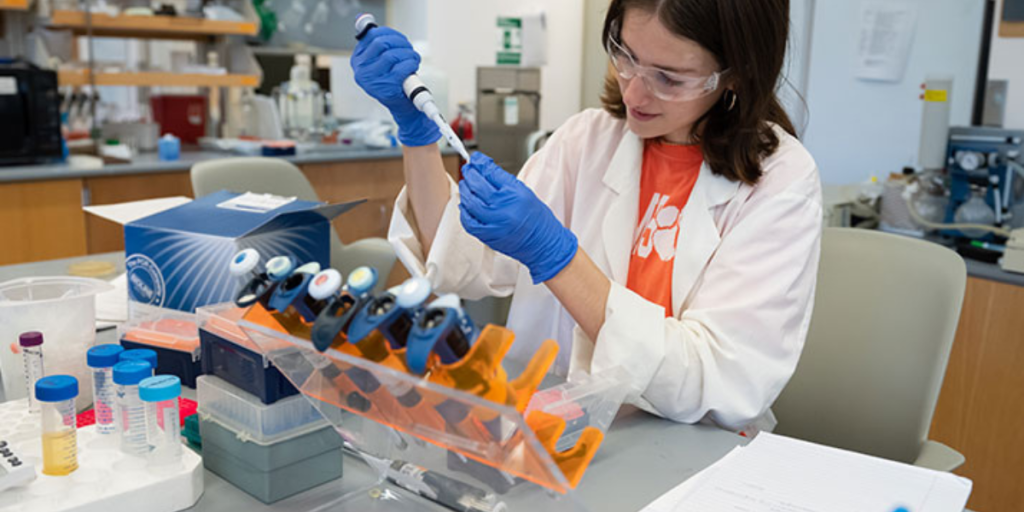
Biochemistry, the branch of science that explores the chemical processes within and related to living organisms, is the molecular cornerstone of life. At the intersection of biology and chemistry, biochemistry unveils the intricate dance of molecules, elucidating the structures, functions, and interactions that underpin the complexity of living systems. In this comprehensive exploration, we delve into the fundamental principles of biochemistry, its historical milestones, and the pivotal role it plays in understanding the essence of life.
Unraveling the Molecular Foundations:
1. Molecular Components of Living Organisms:
- Proteins: Act as molecular machines, enzymes, and structural elements.
- Nucleic Acids: Carry genetic information (DNA and RNA).
- Lipids: Form cellular membranes and serve as energy storage.
- Carbohydrates: Provide energy and structural support.
2. Enzymes and Catalysis:
Enzymes, biological catalysts, accelerate chemical reactions crucial for cellular processes. Their specificity and efficiency are paramount to the functioning of living organisms.
3. Metabolism:
The sum of all biochemical reactions in an organism, metabolism involves the breakdown of molecules (catabolism) for energy release and the synthesis of molecules (anabolism) for growth and maintenance.
4. Cell Signaling:
Molecules such as hormones transmit signals within and between cells, regulating physiological processes and maintaining homeostasis.
5. Genetic Information Flow:
DNA serves as the repository of genetic information, which is transcribed into RNA and translated into proteins. This central dogma governs the flow of genetic information.
Historical Milestones:
6. Discovery of DNA Structure (1953):
James Watson and Francis Crick elucidated the double-helical structure of DNA, unveiling its role as the hereditary material.
7. Protein Structure Determination (1950s-1960s):
Advancements in X-ray crystallography allowed the determination of protein structures, leading to insights into their functions.
8. Enzyme Kinetics (Early 20th Century):
Michaelis and Menten formulated the enzyme kinetics equation, providing a quantitative understanding of enzyme-catalyzed reactions.
9. Metabolic Pathways (1940s-1950s):
The elucidation of metabolic pathways, such as glycolysis and the citric acid cycle, marked key milestones in understanding energy metabolism.
Biochemical Pathways and Processes:
10. Glycolysis:
A central pathway for glucose metabolism, glycolysis breaks down glucose to produce ATP and precursor molecules.
11. Citric Acid Cycle (Krebs Cycle):
In the mitochondria, the citric acid cycle completes the oxidation of glucose, generating energy-rich molecules.
12. Photosynthesis:
In plants and algae, photosynthesis converts sunlight into chemical energy, producing glucose and oxygen.
13. DNA Replication and Transcription:
DNA replication ensures the faithful transmission of genetic information, while transcription synthesizes RNA from DNA templates.
14. Protein Synthesis:
The process of translation converts RNA sequences into proteins, following the genetic code.
Specialized Areas in Biochemistry:
15. Structural Biochemistry:
Examines the three-dimensional structures of biological macromolecules, providing insights into their functions.
16. Medical Biochemistry:
Focuses on the biochemical basis of diseases, diagnostics, and therapeutic interventions.
17. Biotechnology:
Applies biochemical principles to develop technologies for medicine, agriculture, and industry.
18. Environmental Biochemistry:
Explores the impact of biochemical processes on the environment and vice versa.
Frequently Asked Questions (FAQs):
Q1: What is the significance of biochemistry in understanding life?
A1: Biochemistry is crucial for deciphering the molecular mechanisms that underlie life processes. It unveils the structure and function of biomolecules, elucidates metabolic pathways, and provides insights into genetic information flow, forming the foundation for our understanding of life.
Q2: How does DNA store genetic information?
A2: DNA stores genetic information through its sequence of nucleotides. The sequence encodes instructions for building and maintaining organisms. During cell division, DNA is replicated to ensure the faithful transmission of genetic information to the next generation.
Q3: What role do enzymes play in biochemical reactions?
A3: Enzymes act as biological catalysts, accelerating biochemical reactions by lowering the activation energy required for the reactions to occur. They enhance the efficiency and specificity of reactions crucial for cellular processes.
Q4: How is biochemistry applied in medicine?
A4: Medical biochemistry is integral to understanding the biochemical basis of diseases. It aids in diagnostics through biomarker identification, informs treatment strategies, and contributes to the development of therapeutic interventions, including drugs and gene therapies.
Q5: What are some examples of metabolic pathways?
A5: Glycolysis, the citric acid cycle, and photosynthesis are examples of metabolic pathways. Glycolysis breaks down glucose for energy, the citric acid cycle completes glucose oxidation, and photosynthesis converts sunlight into chemical energy.
Q6: How does biochemistry relate to biotechnology?
A6: Biotechnology applies biochemical principles to develop technologies for various applications. This includes the production of pharmaceuticals, genetic engineering, and the creation of bio-based materials.
Q7: What is the role of structural biochemistry?
A7: Structural biochemistry investigates the three-dimensional structures of biological macromolecules, such as proteins and nucleic acids. Understanding these structures provides insights into their functions, interactions, and roles in cellular processes.
Q8: How is environmental biochemistry important?
A8: Environmental biochemistry explores the impact of biochemical processes on the environment and vice versa. It helps understand how organisms interact with their surroundings and contributes to environmental conservation efforts.
Q9: Can you explain the significance of the citric acid cycle?
A9: The citric acid cycle, also known as the Krebs cycle, plays a central role in cellular respiration. It completes the oxidation of molecules derived from nutrients, generating energy-rich molecules in the form of NADH and FADH2.
Q10: How does biochemistry contribute to our daily lives?
A10: Biochemistry contributes to various aspects of daily life, from understanding nutrition and metabolism to developing medicines and bio-based technologies. It plays a role in agriculture, food production, and environmental conservation, impacting multiple facets of our existence.
Conclusion:
Biochemistry, as the molecular underpinning of life, unravels the secrets encoded within the intricate dance of molecules. From the structure of DNA to the orchestrated pathways of metabolism, the discipline continues to shape our understanding of the fundamental processes that define living organisms. As we navigate the complexities of the biochemical realm, the insights gained from biochemistry permeate every aspect of our lives, from the development of life-saving medications to the sustainable practices that safeguard our environment. In the molecular symphony of life, biochemistry serves as the conductor, orchestrating the delicate balance that sustains the vibrant tapestry of living systems.
Related links: Genetics


