







Robotics: Exploring the Frontiers of Intelligent Automation 2024
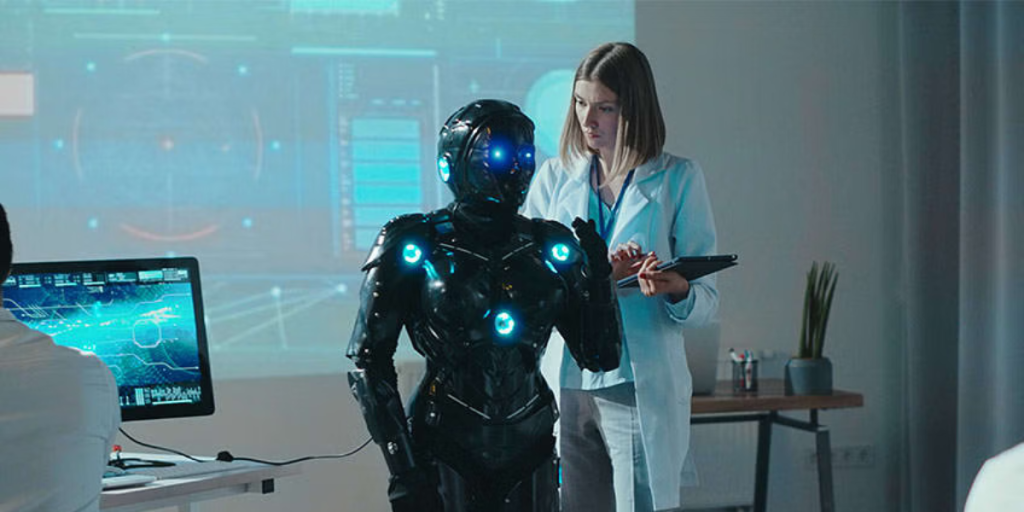
Robotics, the interdisciplinary field at the intersection of mechanical engineering, computer science, and artificial intelligence, has witnessed transformative advancements, shaping industries and revolutionizing the way we perceive automation. From manufacturing and healthcare to space exploration and everyday life, robots play a pivotal role in enhancing efficiency, precision, and safety. In this comprehensive exploration, we will delve into the foundations of robotics, its historical evolution, key concepts, ethical considerations, and the profound impact on various sectors.
Understanding Robotics:
1. Defining Robotics:
Robotics involves the design, construction, operation, and use of robots. A robot, in this context, is an intelligent machine capable of carrying out tasks autonomously or semi-autonomously. These tasks can range from simple, repetitive actions to complex operations that require decision-making.
2. Components of a Robot:
A typical robot comprises several components, including:
Sensors:
Sensors gather information from the robot’s environment, providing data for decision-making.
Actuators:
Actuators are responsible for the physical movements of the robot, translating decisions into actions.
Controller:
The controller, often powered by artificial intelligence, processes sensor data and issues commands to the actuators.
Historical Evolution of Robotics:
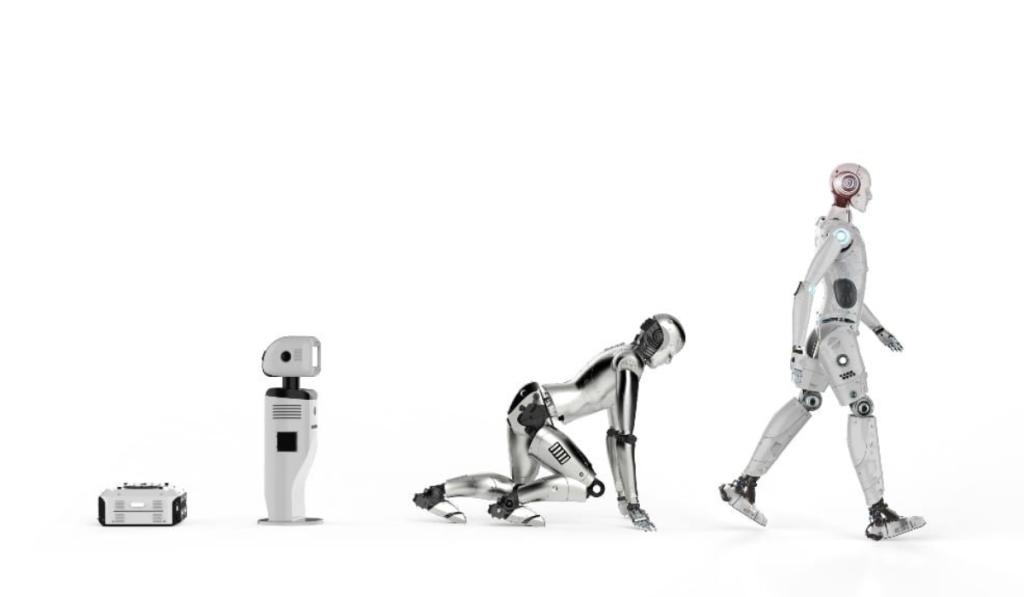
3. Early Automata:
The roots of robotics can be traced back to ancient times, with early automata and mechanical devices designed for entertainment and religious ceremonies.
4. Industrial Robotics (20th Century):
The 20th century marked a significant turning point with the advent of industrial robots. Unimate, introduced in the 1960s, became the first commercially available industrial robot, revolutionizing manufacturing processes.
Key Figures:
- George Devol: Inventor of Unimate, the first industrial robot used in production lines.
5. Evolution of Control Systems:
Advancements in control systems, including computer numerical control (CNC), enhanced the precision and flexibility of robots in manufacturing.
6. Emergence of AI in Robotics:
The integration of artificial intelligence into robotics expanded the capabilities of robots beyond predefined tasks. AI-powered robots could adapt to changing environments and make decisions based on real-time data.
7. Robotic Exploration in Space:
Robotic systems have played a crucial role in space exploration, with rovers like Sojourner, Spirit, and Opportunity exploring the Martian surface.
Milestones:
- Mars Curiosity Rover (2012): Equipped with advanced robotic systems, Curiosity expanded our understanding of Mars.
Key Concepts in Robotics:
8. Kinematics and Dynamics:
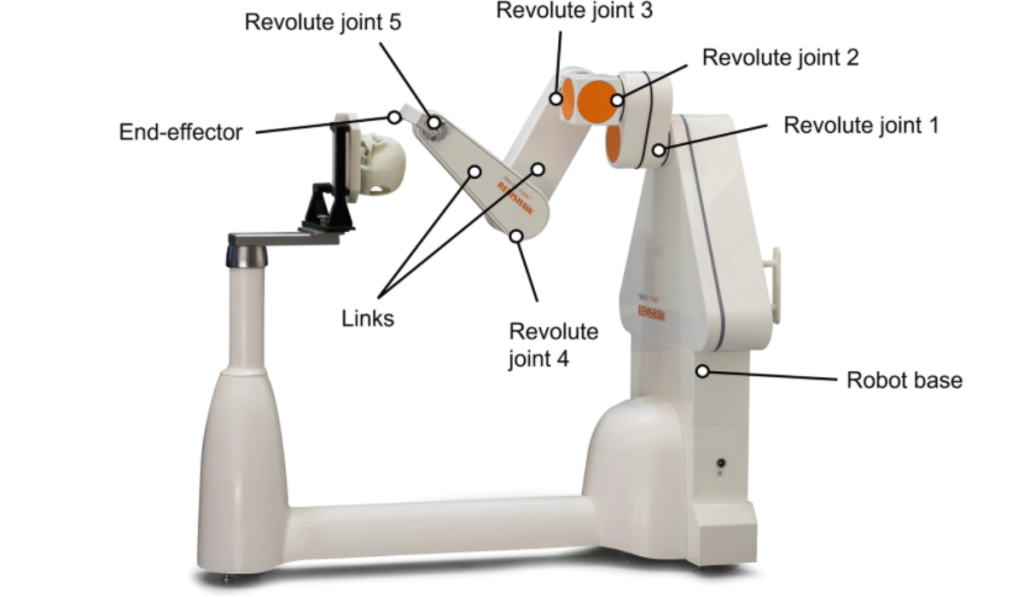
Kinematics deals with the motion of robots without considering the forces involved, while dynamics involves the study of forces and torques affecting robot motion.
Applications:
- Robotics in Manufacturing: Kinematics and dynamics are crucial in designing robots for precise movements in manufacturing processes.
9. Computer Vision:
Computer vision in robotics allows machines to interpret and understand visual information from the environment. This is vital for tasks such as object recognition and navigation.
Innovations:
- Object Recognition: Robots equipped with computer vision can identify and interact with objects in their surroundings.
10. Human-Robot Interaction:
Human-robot interaction focuses on making robots more user-friendly and capable of collaborating with humans. This includes understanding natural language, gestures, and adapting to human behaviors.
Collaborative Robots (Cobots):
- Workplace Collaboration: Cobots work alongside humans, enhancing productivity and safety in shared workspaces.
Ethical Considerations in Robotics:
11. Safety and Liability:
As robots become more prevalent in various industries, ensuring their safety and addressing liability concerns are crucial ethical considerations.
Regulatory Frameworks:
- ISO 13482: This international standard outlines safety requirements for personal care robots.
12. Job Displacement:
The increasing use of robots in certain industries raises concerns about job displacement. Ethical considerations include retraining and upskilling the workforce.
Social Impact:
- Robots in Healthcare: While robots can assist in healthcare tasks, ethical considerations involve maintaining the human touch in patient care.
13. Autonomy and Decision-Making:
Autonomous robots capable of making decisions raise ethical questions about accountability and the potential consequences of automated actions.
Military Robotics:
- Autonomous Weapons: The development of autonomous weapons with AI raises ethical concerns about the implications of robotic decision-making in warfare.
Robotics in Practice:
14. Manufacturing and Automation:
Industrial robots have transformed manufacturing, streamlining production processes, improving precision, and enhancing overall efficiency.
Industry 4.0:
- Smart Factories: Industry 4.0 integrates robotics, AI, and the Internet of Things (IoT) to create intelligent, interconnected manufacturing systems.
15. Healthcare and Medical Robotics:
Robotic systems in healthcare assist in surgeries, rehabilitation, and patient care, offering precision and minimally invasive procedures.
Innovations:
- Surgical Robots: Systems like the da Vinci Surgical System enable surgeons to perform complex surgeries with enhanced precision.
16. Exploration and Space Robotics:
Robots play a crucial role in space exploration, conducting experiments, collecting data, and performing tasks in environments challenging for humans.
Future Missions:
- Autonomous Rovers: Future Mars missions will likely involve more advanced autonomous rovers for in-depth exploration.
The Future of Robotics:
17. Soft Robotics and Bio-Inspired Design:
Soft robotics, inspired by natural organisms, explores flexible and adaptable robot designs. Bio-inspired robots mimic the capabilities of living organisms.
Applications:
- Medical Applications: Soft robots can be designed for medical procedures requiring flexibility and gentle interactions.
18. Swarm Robotics:
Swarm robotics involves coordinating large groups of simple robots to perform tasks collaboratively, mimicking the collective behavior of social insects.
Emerging Applications:
- Search and Rescue: Swarm robotics can be deployed in search and rescue missions, covering large areas efficiently.
FAQs: Navigating Robotics
Q1: What is the difference between automation and robotics?
A1: Automation involves using machines or systems to perform tasks without human intervention. Robotics, on the other hand, specifically refers to the design, construction, and use of robots to perform tasks autonomously.
Q2: How do robots learn and adapt to new environments?
A2: Robots learn and adapt through a combination of sensors, actuators, and artificial intelligence. Machine learning algorithms enable robots to process data from sensors, learn from experience, and make decisions to adapt to new environments.
Q3: Can robots replace humans in certain tasks?
A3: Robots can perform specific tasks with precision and efficiency, but complete replacement of humans depends on the complexity of the task. In many scenarios, robots work alongside humans, enhancing productivity and safety.
Q4: What role does artificial intelligence play in robotics?
A4: Artificial intelligence is integral to robotics, providing the capability for robots to process information, learn from data, and make decisions. AI enables robots to adapt to changing environments and perform complex tasks.
Q5: How are robots used in healthcare?
A5: Robots in healthcare assist in various tasks, including surgery, rehabilitation
, and patient care. Surgical robots, for example, enable surgeons to perform minimally invasive procedures with precision.
Q6: What ethical considerations are associated with military robotics?
A6: Military robotics raise ethical concerns related to autonomous weapons and the potential consequences of robotic decision-making in warfare. Issues include accountability, transparency, and adherence to international laws.
Q7: What are the potential benefits of swarm robotics?
A7: Swarm robotics offer benefits in terms of scalability, adaptability, and efficiency. Applications include search and rescue missions, environmental monitoring, and tasks requiring collective coordination.
Q8: How are robotics contributing to space exploration?
A8: Robots play a crucial role in space exploration by conducting experiments, collecting data, and performing tasks in environments challenging for humans. Autonomous rovers, like those used on Mars, are examples of robotic systems in space exploration.
Q9: What are the emerging trends in robotics?
A9: Emerging trends in robotics include advancements in soft robotics and bio-inspired design, the development of swarm robotics for collaborative tasks, and the integration of robotics with other technologies in Industry 4.0.
Q10: How can robotics contribute to sustainable development?
A10: Robotics can contribute to sustainable development by improving efficiency in industries, reducing waste, and performing tasks in hazardous environments. Applications in agriculture, environmental monitoring, and energy production showcase the potential for positive impact.
Conclusion:
Robotics stands at the forefront of technological innovation, reshaping industries and pushing the boundaries of what machines can achieve. From the early days of industrial robots to the sophisticated systems used in healthcare and space exploration, the field continues to evolve. As robotics advances, ethical considerations become paramount, guiding the responsible development and deployment of intelligent machines. Navigating the diverse landscape of robotics requires a deep understanding of its principles, applications, and the ethical considerations that shape its role in our ever-changing world. As we look to the future, robotics will likely play an increasingly pivotal role in addressing complex challenges and contributing to the betterment of society.
Related Links:https://fullsci.net/unraveling-the-internet-of-things-iot-connecting-the-world-digitally/


