







Social Justice: Navigating the Path to Equality and Fairness
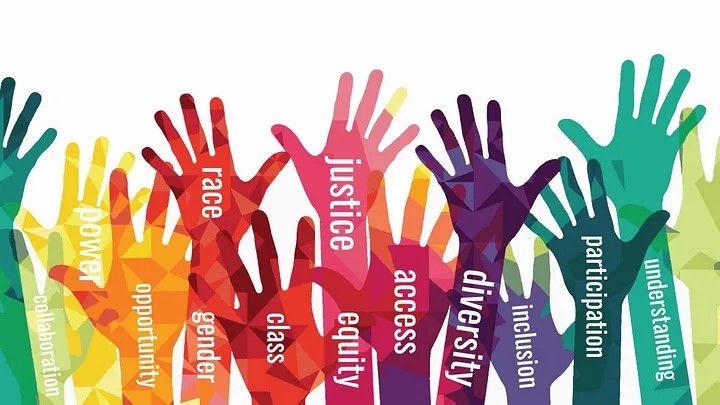
Social justice, a term that resonates in conversations about fairness, equity, and human rights, encompasses a profound vision of a world where all individuals, regardless of background or identity, have equal access to opportunities, resources, and respect. Rooted in ethical principles and guided by a commitment to dismantling systemic inequalities, the pursuit of social justice is an ongoing journey that spans across cultures, societies, and disciplines. In this exploration, we will delve into the essence of social justice, its historical evolution, key principles, and the challenges and triumphs in its pursuit.
Defining Social Justice:
1. Core Principles:
Social justice is a concept built on the foundation of fundamental principles aimed at fostering equality, inclusivity, and fairness. These principles include the recognition of human dignity, the right to equitable treatment, and the commitment to rectifying historical and systemic injustices.
2. Equality and Equity:
While equality implies providing everyone with the same resources or opportunities, equity goes a step further by acknowledging that individuals may need different levels of support to achieve the same outcome. Social justice seeks to address both the symptoms and root causes of inequality, striving for equitable solutions.
Key Concepts:
- Equality: Treating everyone the same, regardless of differences.
- Equity: Recognizing and addressing the diverse needs of individuals to ensure fairness.
Historical Evolution of Social Justice:

3. Social Justice Movements:
The journey towards social justice has been marked by transformative movements advocating for civil rights, gender equality, LGBTQ+ rights, and more. Each movement contributes to reshaping societal norms and challenging discriminatory practices.
4. Civil Rights Movement:
The mid-20th-century Civil Rights Movement in the United States played a pivotal role in challenging racial segregation and advocating for equal rights. Icons like Martin Luther King Jr. and Rosa Parks became symbols of the fight against racial injustice.
Impactful Moments:
- Brown v. Board of Education: The 1954 Supreme Court case declared state laws establishing separate public schools for black and white students to be unconstitutional.
5. Feminist Movements:
Feminist movements, spanning multiple waves, have focused on dismantling gender-based discrimination and advocating for women’s rights. These movements challenge societal norms, stereotypes, and institutional biases.
Achievements:
- Women’s Suffrage: The early 20th century saw significant strides, with women in many countries gaining the right to vote.
6. LGBTQ+ Rights Movement:
The fight for LGBTQ+ rights advocates for equal treatment, challenging discrimination based on sexual orientation and gender identity. Legal milestones and societal shifts contribute to a more inclusive landscape.
Progressive Changes:
- Marriage Equality: Landmark decisions in various countries have legalized same-sex marriage, a significant step towards equality.
Key Principles of Social Justice:

7. Inclusivity:
Inclusivity is a fundamental principle of social justice, emphasizing the importance of creating environments where individuals of diverse backgrounds feel valued, respected, and represented.
8. Intersectionality:
Coined by Kimberlé Crenshaw, intersectionality recognizes that individuals can experience multiple layers of discrimination based on intersecting aspects of their identity, such as race, gender, and socio-economic status.
Intersectional Realities:
- Addressing Overlapping Injustices: Intersectionality calls for a nuanced understanding of how various forms of oppression intersect and compound.
9. Human Rights:
Social justice is closely linked to the promotion and protection of human rights. The Universal Declaration of Human Rights outlines the basic rights and freedoms to which all individuals are entitled.
Universal Principles:
- Right to Education: Ensuring that education is accessible to all, irrespective of socio-economic background.
Challenges on the Path to Social Justice:
10. Systemic Inequalities:
Systemic inequalities, deeply rooted in historical and institutional structures, pose persistent challenges to achieving social justice. These inequalities manifest in areas such as education, healthcare, and criminal justice.
11. Economic Disparities:
Economic disparities contribute to social injustice, limiting access to resources and opportunities. Addressing these disparities requires examining and transforming economic systems to be more inclusive.
Persistent Issues:
- Income Inequality: The concentration of wealth among a small percentage of the population contributes to systemic imbalances.
12. Discrimination and Bias:
Prejudice and discrimination based on race, gender, ethnicity, sexual orientation, and other factors continue to perpetuate social injustice. Challenging biases and promoting inclusivity are critical steps in fostering a more just society.
Implicit Bias:
- Unconscious Prejudices: Recognizing and addressing implicit biases is essential in creating fair and unbiased systems.
Social Justice in Practice:
13. Policy Advocacy:
Advocacy for policy changes is a powerful tool in the pursuit of social justice. This involves pushing for legislation that promotes equality, protects human rights, and addresses systemic issues.
14. Grassroots Movements:
Grassroots movements, often led by affected communities, play a crucial role in raising awareness, mobilizing support, and pressuring institutions to address social injustices.
Community Empowerment:
- Community-Led Initiatives: Empowering communities to address their unique challenges fosters sustainable change.
15. Education and Awareness:
Education is a key driver of social change. Raising awareness about issues of injustice, inequality, and discrimination helps build a more informed and empathetic society.
Educational Initiatives:
- Diversity and Inclusion Programs: Educational institutions can implement programs that promote diversity, inclusion, and cultural competence.
FAQs: Navigating the Landscape of Social Justice
Q1: What is the role of individuals in promoting social justice?
A1: Individuals play a crucial role in promoting social justice by raising awareness, challenging discriminatory practices, and advocating for inclusive policies. Educating oneself, listening to diverse voices, and actively engaging in conversations about justice contribute to collective efforts.
Q2: How can organizations contribute to social justice?
A2: Organizations can contribute to social justice by implementing inclusive policies, addressing pay disparities, fostering diverse leadership, and actively participating in community initiatives. Prioritizing diversity and equity in hiring and promotion practices is essential.
Q3: What are some examples of successful social justice initiatives?
A3: Successful social justice initiatives include the Civil Rights Movement, the #MeToo movement addressing sexual harassment, and campaigns for LGBTQ+ rights. Initiatives that bring about policy changes, shift societal norms, and empower marginalized communities are considered successful.
Q4: How does social justice intersect with environmental justice?
A4: Social justice and environmental justice are interconnected. Marginalized communities often bear a disproportionate burden of environmental hazards. Addressing environmental injustices involves ensuring fair distribution of environmental benefits and risks.
Q5: Can technology contribute to social justice?
A5: Technology can contribute to social justice by facilitating information sharing, amplifying marginalized voices, and enabling advocacy. However, it’s essential to address issues such as digital divides and biases in technology to ensure equitable access and impact.
Q6: Why is intersectionality important in social justice?
A6: Intersectionality recognizes that individuals can experience overlapping forms of discrimination based on multiple aspects of their identity.
Acknowledging intersectionality is crucial in developing inclusive policies and strategies that address the unique challenges faced by diverse individuals.
Q7: How can social justice be promoted in education?
A7: Promoting social justice in education involves incorporating diverse perspectives into curricula, addressing systemic biases, and creating inclusive learning environments. Emphasizing cultural competence and fostering open dialogues about social issues contribute to an equitable educational system.
Q8: What are some common misconceptions about social justice?
A8: Common misconceptions about social justice include the belief that it is synonymous with equality (ignoring equity), that it aims to diminish individual achievements, and that addressing social justice issues is unnecessary in certain societies. Understanding the nuances of social justice is crucial in dispelling these misconceptions.
Q9: How does social justice address mental health disparities?
A9: Social justice in mental health involves recognizing and addressing the social determinants that contribute to mental health disparities. This includes addressing economic inequality, systemic discrimination, and promoting access to mental health resources for all individuals.
Q10: Can social justice be achieved globally?
A10: Achieving social justice globally is a complex and ongoing process. It requires collaboration, cross-cultural understanding, and a commitment to dismantling global inequalities. International cooperation, advocacy for human rights, and addressing the root causes of systemic injustices are essential components of global social justice efforts.
Conclusion:
The pursuit of social justice is an ongoing endeavor that requires collective commitment, continuous reflection, and a willingness to confront systemic inequalities. As societies navigate the complexities of diversity, inclusion, and equity, the principles of social justice provide a compass for creating a more just and compassionate world. By addressing the root causes of injustice, fostering inclusivity, and amplifying the voices of marginalized communities, individuals, organizations, and societies can contribute to the transformative journey towards a more equitable and fair future.
Related Links: Spectrophotometers


