







Environmental Science: The Stories Behind the Science
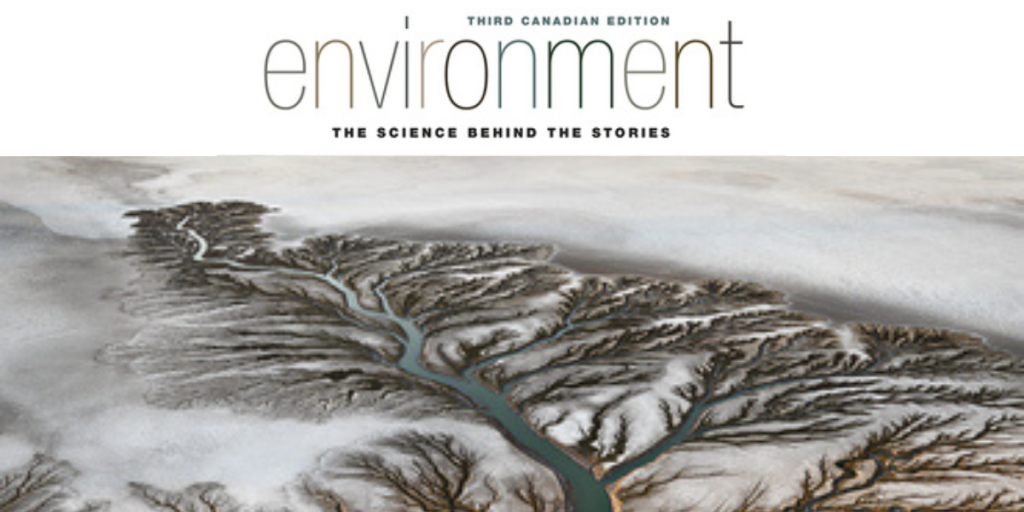
In a world where the environmental science faces unprecedented challenges, understanding the intricate web of scientific principles and stories that shape our natural world is paramount. This article delves into the heart of environmental science, exploring the multifaceted narratives that underscore the scientific understanding of our planet. From the core principles of environmental science to the real-world implications for society, we embark on a journey to unravel the stories behind the science. Additionally, we address frequently asked questions (FAQs) to provide clarity on common queries surrounding environmental science.
I. The Essence of Environmental Science
1. Defining Environmental Science:
- Holistic Study: Environmental science is a multidisciplinary field that examines the interplay between humans and their environment, encompassing biology, chemistry, physics, geology, and social sciences.
- Systems Approach: It adopts a systems approach to analyze ecosystems, natural resources, and the impact of human activities on the environment.
2. Key Principles:
- Biodiversity: Understanding and preserving the diversity of life forms, from microorganisms to complex ecosystems.
- Climate Change: Investigating the causes and consequences of climate change, including rising temperatures, sea-level rise, and extreme weather events.
- Resource Management: Evaluating sustainable practices for managing natural resources, such as water, air, soil, and renewable energy.
II. The Stories Within Environmental Science
1. Ecosystem Dynamics:
- Ecological Succession: Exploring the natural progression of ecosystems over time, from bare land to mature, biodiverse environments.
- Food Webs and Chains: Unraveling the intricate relationships between species in ecosystems, highlighting the delicate balance required for ecological stability.
2. Human Impact:
- Pollution Narratives: Examining the stories of pollution, from industrial discharges to plastic waste, and their consequences on ecosystems and human health.
- Deforestation Tales: Understanding the impact of deforestation on biodiversity, climate regulation, and indigenous communities.
III. Real-World Implications: Connecting Science to Society
1. Global Challenges:
- Water Scarcity: Investigating the stories of regions grappling with water scarcity and the innovative solutions to address this critical issue.
- Urbanization: Exploring the environmental narratives of rapid urbanization, including challenges such as air pollution, habitat loss, and resource consumption.
2. Sustainable Solutions:
- Renewable Energy: Narratives of the transition to renewable energy sources, highlighting success stories and challenges in reducing dependence on fossil fuels.
- Conservation Initiatives: Showcasing stories of successful conservation efforts, from the revival of endangered species to the establishment of protected areas.
IV. FAQs: Navigating Common Questions
Q1: How does environmental science differ from ecology?
A1: Environmental science is a broader field that encompasses ecology. While ecology focuses specifically on the interactions between living organisms and their environment, environmental science includes additional disciplines, such as chemistry and physics, to address the broader impact of human activities on the environment.
Q2: What career opportunities are available in environmental science?
A2: Environmental scientists can pursue careers in areas such as environmental consulting, research, policy development, conservation, and education. Opportunities exist in government agencies, non-profit organizations, private industries, and academic institutions.
Q3: How can individuals contribute to environmental conservation?
A3: Individuals can contribute by adopting sustainable practices, reducing waste, supporting conservation initiatives, participating in community clean-up efforts, and advocating for environmentally friendly policies.
Q4: How does climate change impact biodiversity?
A4: Climate change can lead to shifts in temperature and precipitation patterns, affecting the habitats and migration patterns of various species. This can result in the loss of biodiversity as some species struggle to adapt or face increased competition for resources.
Q5: What role does environmental science play in policy-making?
A5: Environmental scientists contribute valuable data and insights to inform environmental policies. They conduct research on issues such as air and water quality, climate change, and resource management, providing evidence-based recommendations for policymakers.
Q6: Can environmental science help address global environmental challenges?
A6: Yes, environmental science plays a crucial role in addressing global challenges by providing the knowledge and tools needed to understand, mitigate, and adapt to environmental issues. This includes developing sustainable practices, conservation strategies, and policy recommendations.
Conclusion:
In the intricate tapestry of environmental science, every scientific principle and discovery tells a story—a narrative that shapes our understanding of the natural world and informs our choices as stewards of the planet. As we navigate the complexities of ecosystems, climate change, and human-environment interactions, we uncover the profound impact of environmental science on both scientific discourse and societal well-being. Through these stories behind the science, we gain insights that empower us to make informed decisions, champion sustainable practices, and contribute to the ongoing narrative of environmental conservation. In embracing the tales within environmental science, we embark on a collective journey toward a more harmonious and sustainable coexistence with the Earth.
Related link: Essential Environment


