







The Internet of Things (IoT): Connecting the World Digitally 2024
Introduction:
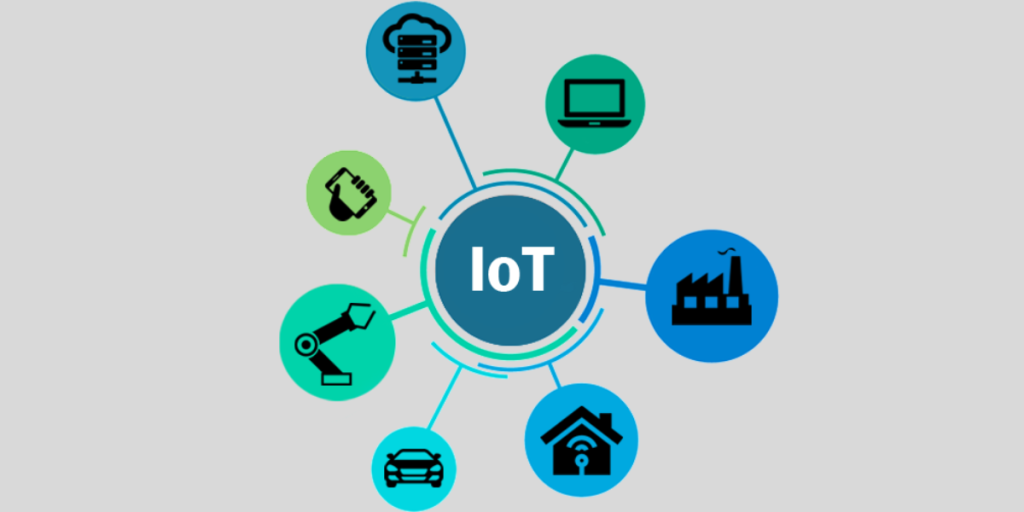
The Internet of Things (IoT) represents a paradigm shift in the way we interact with the digital world. As an interconnected ecosystem of devices, sensors, and systems, IoT is transforming industries, enhancing efficiency, and shaping the way we live and work. In this comprehensive guide, we will explore the foundations of IoT, its applications across diverse sectors, the technological underpinnings, and the challenges and opportunities that lie ahead.
I. Understanding the Internet of Things:
1. Defining IoT:
The Internet of Things refers to the network of interconnected devices, embedded with sensors, software, and other technologies, that can communicate and exchange data with each other over the internet.
2. Evolution of IoT:
- Early Concepts: The roots of IoT can be traced back to the idea of connecting physical objects to the internet for monitoring and control.
- Advancements in Connectivity: The proliferation of high-speed internet, along with the development of wireless technologies, laid the groundwork for the expansion of IoT.
3. Key Components of IoT:
- Sensors and Actuators: Devices equipped with sensors collect data from the environment, while actuators enable them to perform actions based on received data.
- Connectivity: Networks, including Wi-Fi, Bluetooth, and cellular, facilitate communication between devices.
- Data Processing and Analytics: Cloud computing and edge computing platforms analyze the vast amount of data generated by IoT devices.
II. Technological Foundations:
1. Wireless Communication:
- Bluetooth: Enables short-range communication between devices, commonly used in consumer IoT applications.
- Wi-Fi: Provides high-speed internet connectivity for IoT devices in homes, offices, and public spaces.
- Cellular Networks: IoT devices can leverage cellular networks for broader coverage and mobility.
2. Sensor Technologies:
- RFID (Radio-Frequency Identification): Identifies and tracks objects using radio waves, commonly used in supply chain management.
- Accelerometers and Gyroscopes: Measure motion and orientation, vital for applications like fitness trackers and navigation systems.
- Environmental Sensors: Monitor factors such as temperature, humidity, and air quality in smart homes and industrial settings.
3. Cloud Computing and Edge Computing:
- Cloud Platforms: Centralized servers process and store IoT data, offering scalability and accessibility.
- Edge Computing: Distributes processing power closer to IoT devices, reducing latency and enhancing real-time capabilities.
III. Applications of IoT Across Industries:
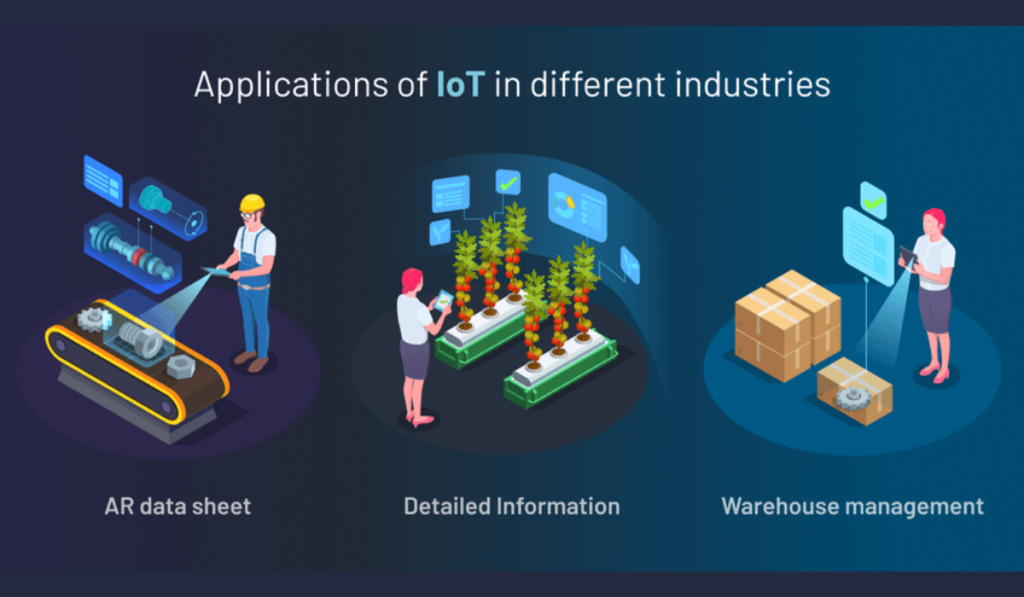
1. Smart Cities:
- Urban Planning: IoT sensors monitor traffic patterns, optimize public transportation, and enhance city infrastructure.
- Energy Management: Smart grids and connected utilities optimize energy consumption in urban areas.
2. Healthcare:
- Remote Patient Monitoring: Wearable devices track vital signs and transmit data to healthcare providers.
- Medication Adherence: IoT-enabled pill dispensers and packaging help patients adhere to medication schedules.
3. Manufacturing (Industry 4.0):
- Predictive Maintenance: IoT sensors on machinery predict maintenance needs, reducing downtime.
- Supply Chain Optimization: RFID and GPS technologies track inventory and shipments in real time.
4. Agriculture:
- Precision Farming: IoT devices monitor soil conditions, crop health, and weather patterns for optimized farming practices.
- Livestock Monitoring: Wearable devices track the health and behavior of animals, improving overall farm management.
5. Smart Homes:
- Home Automation: IoT devices control lighting, thermostats, security systems, and entertainment systems.
- Connected Appliances: Refrigerators, ovens, and other appliances communicate to enhance efficiency and user experience.
6. Transportation:
- Connected Vehicles: IoT enables vehicle-to-vehicle communication for improved traffic flow and safety.
- Logistics and Fleet Management: GPS and sensor technologies optimize route planning and monitor vehicle conditions.
IV. Security and Privacy Challenges:
1. Data Security:
- Encryption: Ensuring data transmitted between IoT devices and servers is secure.
- Authentication: Verifying the identity of devices to prevent unauthorized access.
2. Privacy Concerns:
- Data Ownership: Determining who owns and has access to the data generated by IoT devices.
- User Consent: Establishing clear guidelines for obtaining user consent for data collection and usage.
3. Cybersecurity Threats:
- IoT Botnets: Compromised IoT devices can be enlisted into botnets for malicious activities.
- Device Vulnerabilities: Inadequately secured devices can be exploited by cyber attackers.
V. Future Trends and Innovations:
1. 5G Connectivity:
- Enhanced Speed and Capacity: 5G networks will provide faster and more reliable connectivity for IoT devices.
- Low Latency: Reduced latency enables real-time communication, critical for applications like autonomous vehicles.
2. AI Integration:
- Machine Learning: AI algorithms analyze IoT data for predictive analytics and actionable insights.
- Automation: Smart systems, guided by AI, can autonomously respond to data inputs from IoT devices.
3. Blockchain for IoT:
- Data Integrity: Blockchain ensures the integrity and security of IoT data through decentralized and tamper-resistant ledgers.
- Smart Contracts: Automate and secure transactions and agreements between IoT devices.
4. Edge Computing Advancements:
- Edge AI: Bringing AI capabilities closer to IoT devices at the edge for faster decision-making.
- Fog Computing: Extending edge computing to create a distributed computing infrastructure.
VI. Frequently Asked Questions (FAQs) about IoT:
Q1: What distinguishes IoT from traditional internet-connected devices?
A1: IoT devices go beyond traditional internet-connected devices by being equipped with sensors and the ability to collect and exchange data with other devices. This interconnectedness enables automation, real-time monitoring, and enhanced functionality.
Q2: How does IoT impact data privacy?
A2: IoT raises concerns about data privacy due to the vast amount of personal and sensitive information collected by devices. Proper data encryption, user consent mechanisms, and clear data ownership policies are essential for addressing privacy issues.
Q3: What role does 5G play in the future of IoT?
A3: 5G networks provide faster and more reliable connectivity, reducing latency and enabling real-time communication. This is crucial for applications like autonomous vehicles, augmented reality, and other scenarios where low latency is essential.
Q4: How can security challenges in IoT be addressed?
A4: Addressing security challenges in IoT involves implementing robust encryption protocols, ensuring device authentication, regularly updating software to patch vulnerabilities, and educating users about best practices for securing their IoT devices.
Q5: What is the significance of AI in IoT?
A5: AI plays a crucial role in analyzing the vast amount of data generated by IoT devices. Machine learning algorithms enable predictive analytics, automation, and the extraction of actionable insights from IoT data, enhancing the overall efficiency and intelligence of IoT systems.
Q6: Can IoT be applied in environmental monitoring?
A6: Yes, IoT is widely used in environmental monitoring. Sensors can measure air and water quality, monitor climate conditions, and track environmental changes. This data is valuable for research, policy-making, and responding to environmental challenges.
Q7: How does blockchain enhance the security of IoT?
A7: Blockchain enhances IoT security by providing a decentralized and tamper-resistant ledger for storing transaction and data records. This ensures the integrity of data and prevents unauthorized tampering, enhancing trust in the information generated by IoT devices.
Q8: What challenges does IoT pose to existing infrastructure?
A8: IoT can strain existing infrastructure due to increased data traffic, the need for robust connectivity, and the demand for processing power. Upgrading network infrastructure and embracing technologies like 5G and edge computing can address these challenges.
Conclusion:
The Internet of Things has ushered in a new era of connectivity, where the physical and digital worlds seamlessly converge. From smart homes to industrial automation, IoT is reshaping how we interact with our surroundings and the devices that populate them. As the ecosystem continues to evolve, addressing security and privacy concerns, leveraging emerging technologies, and ensuring ethical practices are crucial for unlocking the full potential of the Internet of Things. The journey of IoT is dynamic, promising a future where our environments are intelligent, responsive, and interconnected in ways that were once only imaginable in the realms of science fiction.
Related link: Quantum Computing.


