







Scientific Literacy for a Knowledgeable Society
Scientific literacy, the ability to understand and engage with scientific concepts, plays a pivotal role in shaping an informed and empowered society. In an era dominated by rapid technological advancements and complex scientific issues, fostering scientific literacy has become an imperative. This comprehensive exploration delves into the essence of scientific literacy, its significance, methods of cultivation, and the transformative impact it has on individuals and communities.
Unraveling the Essence of Scientific Literacy:
1. Defining Scientific Literacy:
- Scientific literacy extends beyond memorization of facts; it involves critical thinking, problem-solving, and the ability to apply scientific principles to real-world situations.
- A scientifically literate individual can understand, interpret, and evaluate scientific information.
2. Key Components:
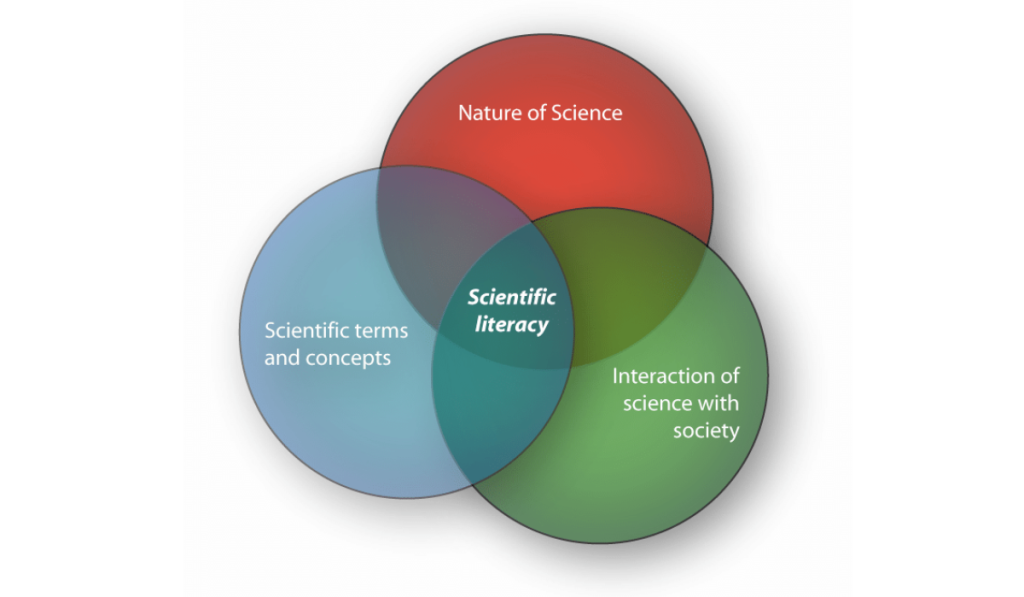
- Knowledge Base: Understanding fundamental scientific concepts and principles.
- Process Skills: Developing skills such as observation, experimentation, and data analysis.
- Attitudes and Values: Cultivating a positive attitude towards science and an appreciation for its role in society.
3. Scope of Scientific Literacy:
- Scientific literacy encompasses various scientific disciplines, including physics, chemistry, biology, environmental science, and more.
- It extends to the ability to navigate scientific information in the media and make informed decisions.
The Significance of Scientific Literacy:
4. Informed Decision-Making:
- Scientific literacy empowers individuals to make informed decisions about personal health, environmental issues, and technological advancements.
- It enables critical evaluation of scientific claims and helps avoid misinformation.
5. Global Citizenship:
- In a globally interconnected world, scientific literacy is essential for understanding and addressing global challenges, such as climate change, pandemics, and resource depletion.
- It fosters a sense of responsibility as global citizens actively engage with scientific issues.
6. Career Opportunities:
- Scientific literacy opens doors to a wide array of career opportunities in science, technology, engineering, and mathematics (STEM) fields.
- It enhances employability and equips individuals to contribute to innovation and research.
7. Lifelong Learning:
- Scientific literacy is a foundation for lifelong learning, encouraging individuals to stay curious and continue exploring scientific advancements throughout their lives.
- It nurtures a mindset of continuous discovery and adaptation to evolving scientific knowledge.
Cultivating Scientific Literacy:
8. Effective Science Education:
- Science education should emphasize hands-on experiences, experimentation, and inquiry-based learning.
- Integrating real-world applications of scientific concepts enhances understanding.
9. Interdisciplinary Connections:
- Connecting scientific concepts with other disciplines, such as literature, history, and the arts, enriches the learning experience.
- Interdisciplinary approaches foster a holistic understanding of the interconnectedness of knowledge.
10. Digital Literacy:
- Given the prevalence of digital information, promoting digital literacy is crucial for accessing, evaluating, and communicating scientific information online.
- Understanding how to discern reliable sources from misinformation is a vital aspect of digital literacy.
11. Community Engagement:
- Community-based science initiatives and citizen science projects encourage active participation and collaboration.
- Engaging with local scientific issues enhances the relevance of scientific literacy in everyday life.
Transformative Impact of Scientific Literacy:
12. Empowerment Through Knowledge:
- Scientific literacy empowers individuals to take charge of their health, make informed consumer choices, and actively participate in civic discussions.
- Knowledgeable individuals contribute to the democratic process by advocating for evidence-based policies.
13. Inspiring the Next Generation:
- Scientifically literate individuals serve as role models, inspiring the next generation to pursue careers in STEM fields.
- The ripple effect contributes to the development of a scientifically proficient workforce.
14. Problem-Solving in Society:
- Scientific literacy equips individuals with problem-solving skills that can be applied to societal challenges.
- Informed citizens actively contribute to solutions for issues like pollution, energy conservation, and public health.
15. Ethical Decision-Making:
- A scientifically literate society is better equipped to navigate ethical dilemmas arising from scientific advancements, such as genetic engineering and artificial intelligence.
- Ethical considerations become integral to decision-making processes.
Frequently Asked Questions (FAQs):
Q1: What is the importance of scientific literacy in everyday life?
A1: Scientific literacy is crucial in everyday life as it enables individuals to make informed decisions about health, technology, and the environment. It empowers people to critically evaluate information, avoid misinformation, and actively engage with scientific advancements.
Q2: How can parents promote scientific literacy in children?
A2: Parents can foster scientific literacy by encouraging curiosity, conducting simple experiments at home, visiting science museums, and incorporating scientific discussions into daily activities. Reading science-related books and exploring nature are also effective strategies.
Q3: Is scientific literacy only relevant for individuals pursuing careers in science?
A3: No, scientific literacy is relevant for everyone, regardless of their career path. It equips individuals with critical thinking skills, problem-solving abilities, and the capacity to engage with scientific issues in various aspects of life.
Q4: How can educators enhance scientific literacy in the classroom?
A4: Educators can enhance scientific literacy by adopting hands-on, inquiry-based teaching methods. Integrating real-world examples, promoting critical discussions, and emphasizing the process of scientific inquiry contribute to a holistic science education.
Q5: Can scientific literacy contribute to environmental conservation?
A5: Absolutely. Scientific literacy plays a vital role in understanding environmental issues, making sustainable choices, and actively participating in conservation efforts. Informed individuals are more likely to advocate for policies that address environmental challenges.
Q6: How does scientific literacy relate to media consumption?
A6: Scientific literacy is crucial for navigating information in the media. Individuals with scientific literacy can critically evaluate news articles, distinguish between credible and unreliable sources, and avoid the spread of misinformation.
Q7: Can scientific literacy contribute to advancements in technology?
A7: Yes, scientific literacy is foundational for technological advancements. It fuels innovation by fostering a workforce capable of understanding and contributing to developments in fields like engineering, computer science, and biotechnology.
Q8: Can individuals develop scientific literacy later in life?
A8: Absolutely. Scientific literacy is a lifelong learning process. Individuals can develop and enhance their scientific literacy through self-directed learning, attending workshops, participating in citizen science projects, and staying curious about scientific advancements.
Q9: How can policymakers benefit from scientific literacy?
A9: Policymakers with scientific literacy are better equipped to make evidence-based decisions. Understanding scientific principles allows policymakers to address complex issues, from public health to environmental regulations, with a comprehensive and informed perspective.
Q10: Is scientific literacy the same as being a scientist?
A10: No, scientific literacy is distinct from being a scientist. While scientists engage in research and contribute to the generation of new knowledge, scientific literacy refers to the ability of individuals to understand, evaluate, and apply scientific concepts in their daily lives.
Conclusion:
Scientific literacy stands as a beacon of enlightenment in an age dominated by scientific and technological advancements. Beyond a mere understanding of facts, it empowers individuals to navigate the complexities
of the modern world with discernment, curiosity, and an appreciation for the scientific method. As we nurture scientific literacy in individuals and communities, we pave the way for a society that not only embraces the wonders of science but actively participates in shaping a sustainable and informed future. In the grand tapestry of human knowledge, scientific literacy emerges as a thread that weaves together understanding, inquiry, and the perpetual quest for truth.
Related links: Public Engagement


