







Climate Change: Unraveling the Science, Impacts, and Solutions
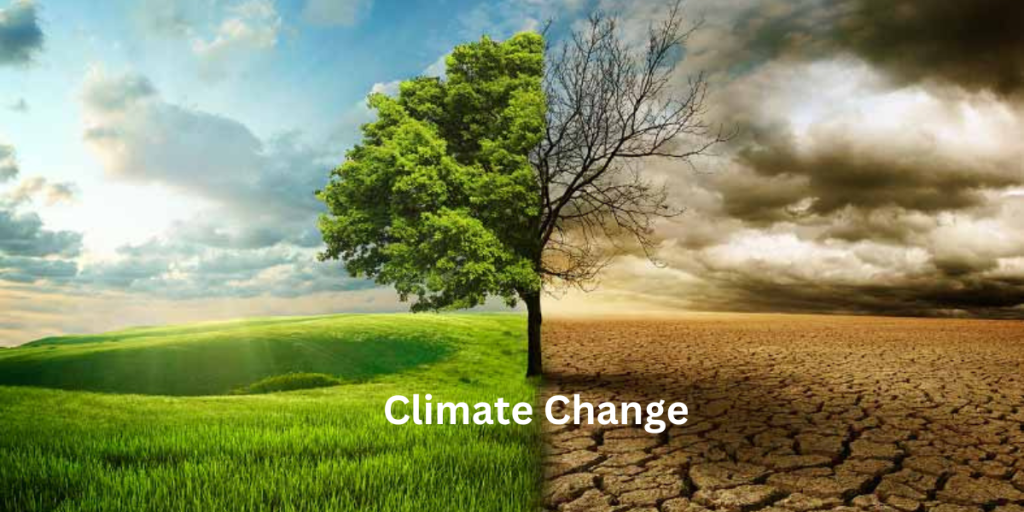
Introduction:
Climate change, driven primarily by human activities, has become one of the most significant global challenges of our time. The Earth’s climate is undergoing unprecedented changes, impacting ecosystems, societies, and economies. This comprehensive exploration delves into the science behind climate change, the far-reaching consequences, and the imperative for collaborative efforts to mitigate its impacts and adapt to the evolving climate.
I. Understanding Climate Change:
1. Climate vs. Weather:
Climate change refers to long-term changes in the average weather patterns over extended periods, typically decades to millions of years. It differs from short-term variations in weather, which can occur on a daily or seasonal basis.
2. Greenhouse Effect and Human Activities:
The Earth’s climate is regulated by the natural greenhouse effect, where certain gases trap heat from the sun, maintaining a temperature suitable for life. However, human activities, particularly the burning of fossil fuels and deforestation, have significantly increased the concentrations of greenhouse gases, enhancing the natural greenhouse effect and leading to global warming.
3. Greenhouse Gases:
- Carbon Dioxide (CO2): Mainly produced from the burning of fossil fuels, deforestation, and industrial processes.
- Methane (CH4): Released during livestock digestion, rice cultivation, and fossil fuel extraction.
- Nitrous Oxide (N2O): Emitted from agricultural and industrial activities, as well as during the combustion of fossil fuels.
4. Anthropogenic Climate Change:
Human activities, particularly the release of greenhouse gases into the atmosphere, are the primary drivers of recent climate change. The Intergovernmental Panel on Climate Change (IPCC) and scientific consensus attribute the observed warming to human influence.
II. Evidence of Climate Change:
1. Temperature Rise:
Global temperatures have been steadily increasing over the past century, with the last few decades experiencing some of the warmest years on record. The warming trend is evident in rising surface temperatures, warming oceans, and shrinking ice caps.
2. Melting Ice and Glaciers:
The warming climate contributes to the melting of glaciers and ice caps worldwide. This leads to rising sea levels, impacting coastal areas and low-lying regions. The loss of ice also affects ecosystems and freshwater resources.
3. Rising Sea Levels:
As global temperatures rise, the thermal expansion of seawater and the melting of ice contribute to rising sea levels. This poses risks to coastal communities, leading to increased frequency and severity of flooding events.
4. Changes in Weather Patterns:
Climate change influences weather patterns, resulting in more frequent and intense extreme events, including heatwaves, storms, droughts, and heavy rainfall. These changes have profound implications for ecosystems, agriculture, and human societies.
5. Ocean Warming and Acidification:
The oceans absorb a significant portion of the excess heat from global warming, leading to ocean warming. Additionally, increased CO2 levels in the atmosphere contribute to ocean acidification, impacting marine ecosystems, including coral reefs and marine life.
III. Impacts of Climate Change:
1. Environmental Impacts:
- Loss of Biodiversity: Changing climate conditions disrupt ecosystems and threaten the survival of many plant and animal species.
- Habitat Disruption: Shifts in temperature and precipitation patterns alter habitats, affecting the distribution and behavior of species.
2. Societal Impacts:
- Water Scarcity: Changes in precipitation patterns and increased evaporation contribute to water scarcity in certain regions.
- Food Security: Climate change impacts agriculture, potentially leading to decreased crop yields and increased risks of food shortages.
3. Economic Impacts:
- Infrastructure Damage: Extreme weather events, such as hurricanes and floods, can cause significant damage to infrastructure, leading to substantial economic losses.
- Impact on Industries: Sectors like agriculture, fisheries, and tourism are particularly vulnerable to the impacts of climate change, affecting economies worldwide.
4. Health Impacts:
- Heat-related Illnesses: Increased temperatures can lead to more frequent and severe heatwaves, posing health risks, especially to vulnerable populations.
- Vector-borne Diseases: Changes in climate can influence the distribution of disease-carrying vectors, impacting the spread of diseases like malaria and dengue.
IV. Climate Change and Global Inequity:
1. Differential Impacts:
The impacts of climate change are not evenly distributed globally. Vulnerable communities, often in low-income countries, face disproportionate consequences due to factors like lack of resources, limited infrastructure, and geographical location.
2. Environmental Justice:
Addressing climate change involves considerations of environmental justice, recognizing the historical and ongoing contributions of certain countries and industries to greenhouse gas emissions. Calls for equitable solutions emphasize the need for shared responsibility and fair distribution of the burdens of mitigation and adaptation.
V. Mitigation Strategies:
1. Transition to Renewable Energy:
Shifting from fossil fuels to renewable energy sources, such as solar, wind, and hydropower, is a key strategy to reduce carbon emissions. Investment in clean energy technologies and policies supporting renewable energy adoption are crucial.
2. Energy Efficiency:
Improving energy efficiency in industries, transportation, and buildings helps reduce overall energy consumption and associated greenhouse gas emissions. This includes adopting energy-efficient technologies and practices.
3. Carbon Capture and Storage:
Carbon capture and storage (CCS) technologies capture CO2 emissions from industrial processes and power plants, preventing them from entering the atmosphere. Stored carbon can be utilized or permanently stored underground.
4. Sustainable Land Use:
Promoting sustainable land-use practices, such as reforestation, afforestation, and conservation of natural habitats, helps sequester carbon, preserve biodiversity, and protect ecosystems.
5. Sustainable Agriculture:
Implementing sustainable agricultural practices, including agroforestry, organic farming, and precision agriculture, minimizes the environmental impact of agriculture and reduces greenhouse gas emissions.
VI. Adaptation Strategies:
1. Climate-resilient Infrastructure:
Designing and building infrastructure that can withstand the impacts of climate change, such as rising sea levels and extreme weather events, is essential for adapting to the changing climate.
2. Water Management:
Implement
ing sustainable water management practices, including efficient irrigation and water conservation, helps address water scarcity challenges associated with global warming.
3. Sustainable Urban Planning:
Creating resilient and sustainable urban environments involves planning for climate change impacts, such as heatwaves and flooding, to ensure the well-being of urban populations.
4. Early Warning Systems:
Developing and implementing effective early warning systems for extreme weather events, including hurricanes, floods, and wildfires, enhances preparedness and reduces the risks to communities.
VII. Climate Change FAQs:
Q1: Is climate change a natural phenomenon?
A1: While Earth’s climate has naturally fluctuated over geological time scales, the current trend of rapid global warming is primarily attributed to human activities, especially the release of greenhouse gases.
Q2: How can individuals contribute to mitigating climate change?
A2: Individuals can contribute by reducing their carbon footprint, adopting sustainable practices (such as using energy-efficient appliances and reducing meat consumption), supporting renewable energy, and advocating for climate-friendly policies.
Q3: Are there international agreements addressing climate change?
A3: Yes, international agreements such as the Paris Agreement bring countries together to collectively address climate change. The agreements aim to limit global temperature increases and facilitate adaptation and mitigation efforts.
Q4: Can we reverse the effects of climate change?
A4: While certain impacts of climate change are irreversible, immediate and sustained efforts to reduce greenhouse gas emissions can mitigate future impacts and prevent further warming. The focus is on adaptation and building resilience to unavoidable changes.
Q5: Why is climate change considered a global challenge?
A5: Climate change is a global challenge because its impacts transcend national borders. Changes in one region can affect weather patterns, sea levels, and ecosystems worldwide. International cooperation is crucial for effective mitigation and adaptation.
Q6: How does climate change affect biodiversity?
A6: Climate change poses significant threats to biodiversity by altering habitats, disrupting ecosystems, and changing the distribution and behavior of species. Many plant and animal species may face challenges in adapting to rapidly changing conditions.
Q7: Can technology play a role in mitigating climate change?
A7: Yes, technology plays a crucial role in mitigating climate change. Innovations in renewable energy, carbon capture and storage, sustainable agriculture, and climate-resilient infrastructure contribute to reducing emissions and enhancing climate resilience.
Q8: Why is urgent action needed to address climate change?
A8: Urgent action is needed to address climate change to prevent severe and irreversible impacts on ecosystems, societies, and economies. Delaying mitigation and adaptation efforts increases the risks and challenges associated with a changing climate.
Conclusion:
Climate change represents a defining challenge of our era, demanding collective action on a global scale. The scientific understanding of its causes and impacts is clear, and the urgency to address this crisis has never been greater. Through sustained efforts to reduce greenhouse gas emissions, implement sustainable practices, and adapt to the changing climate, humanity can work towards a more resilient and sustainable future. The choices made today will shape the world for generations to come, underscoring the critical importance of addressing climate change as a shared responsibility.
Related link: Robotics


