







Unveiling the British Society for Social Responsibility in Science (BSSRS)
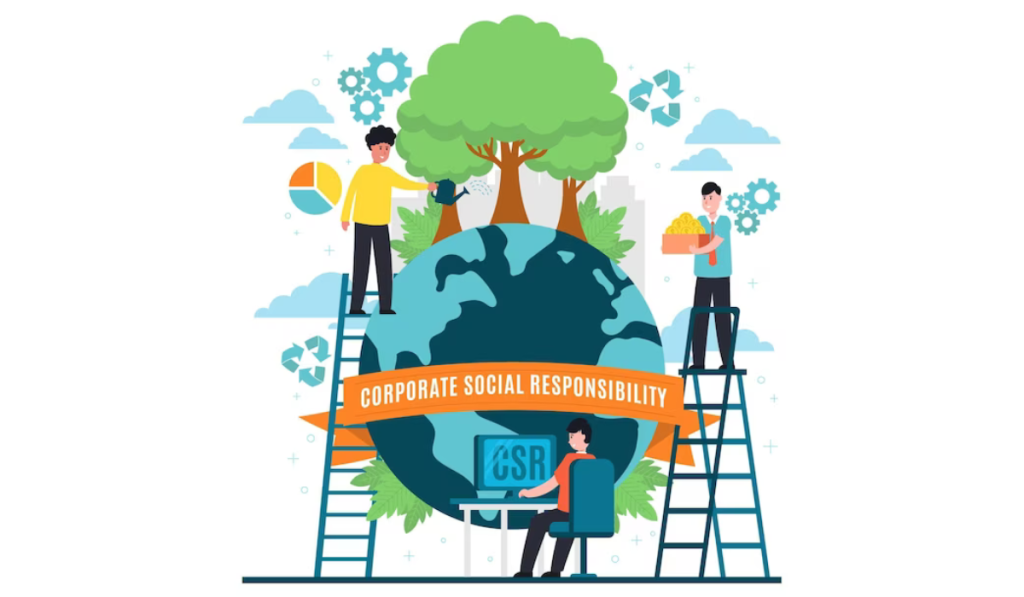
1. Introduction to the British Society for Social Responsibility in Science (BSSRS)
The British Society for Social Responsibility in Science (BSSRS) is a pioneering organization committed to promoting ethical, socially responsible practices in science, technology, and society. Founded in the 1960s amidst growing concerns about the social and environmental impacts of scientific research and technological developments, the BSSRS has been at the forefront of advocating for the democratization of science, fostering interdisciplinary dialogue, and advocating for science to serve the common good. In this article, we delve into the history, mission, activities, and impact of the BSSRS in advancing social responsibility in science.
2. Origins and Founding Principles
The BSSRS traces its roots to a period of social upheaval and scientific advancements in the 1960s, characterized by debates over nuclear weapons, environmental pollution, and the role of science in society. Concerned scientists, academics, and activists came together to establish the BSSRS with the aim of promoting critical reflection, ethical engagement, and social accountability in scientific practice and policy. The founding principles of the BSSRS emphasized the need for science to be responsive to societal needs, democratic decision-making in science, and the empowerment of marginalized communities through scientific knowledge and technology.
3. Mission and Objectives
The mission of the BSSRS is to foster a culture of social responsibility and ethical conduct in science, technology, and innovation. The society seeks to promote public understanding of science, challenge dominant paradigms and power structures in science, and advocate for inclusive and participatory approaches to scientific research and policymaking. Through advocacy, education, and collaboration, the BSSRS aims to address pressing social and environmental issues, promote equity and justice in science, and empower communities to engage critically with scientific knowledge and technologies.
4. Activities and Initiatives
The BSSRS engages in a wide range of activities and initiatives to fulfill its mission and objectives. These include organizing public lectures, seminars, and conferences on topics related to science, technology, and society; publishing research papers, reports, and educational materials on social and ethical dimensions of science; and advocating for policy reforms to promote transparency, accountability, and social justice in science and technology. The society also supports grassroots movements, community-based research projects, and interdisciplinary collaborations aimed at addressing societal challenges through science and technology.
5. Contributions to Science and Society
The BSSRS has made significant contributions to advancing social responsibility in science and shaping public discourse on science, technology, and society. By challenging the hegemony of traditional scientific institutions and promoting alternative models of knowledge production and dissemination, the society has empowered marginalized voices, fostered critical thinking, and catalyzed social change. The BSSRS’s advocacy efforts have influenced government policies, scientific practices, and public perceptions of science, contributing to greater accountability, transparency, and equity in the governance of science and technology.
6. Collaborations and Partnerships
The BSSRS collaborates with a diverse range of organizations, including academic institutions, research centers, civil society groups, and grassroots movements, to advance its mission and objectives. By forging partnerships and alliances across disciplinary boundaries and sectors, the society leverages collective expertise, resources, and networks to address complex social, ethical, and environmental challenges confronting science and society. Collaborative initiatives promote dialogue, mutual learning, and collective action towards building a more just, equitable, and sustainable future.
7. Engagement with the Public and Policymakers
The BSSRS actively engages with the public, policymakers, and stakeholders to raise awareness, stimulate debate, and influence decision-making on issues at the intersection of science, technology, and society. Through public outreach events, media campaigns, and policy advocacy efforts, the society seeks to democratize scientific knowledge, amplify marginalized voices, and promote evidence-based policymaking that prioritizes social and environmental justice. By fostering dialogue and collaboration between scientists, policymakers, and communities, the BSSRS facilitates informed decision-making and democratic governance of science and technology.
8. FAQs: British Society for Social Responsibility in Science
1. What is the primary goal of the British Society for Social Responsibility in Science?
The primary goal of the British Society for Social Responsibility in Science is to promote social responsibility and ethical conduct in science, technology, and society. The society advocates for democratic decision-making in science, transparency in research and policymaking, and the equitable distribution of scientific knowledge and technologies to address societal challenges and promote the common good.
2. How does the British Society for Social Responsibility in Science engage with scientists and academics?
The British Society for Social Responsibility in Science engages with scientists and academics through public lectures, seminars, conferences, and collaborative research projects on topics related to social responsibility in science. The society provides a platform for scientists and academics to share their research, insights, and experiences, and to participate in discussions and debates on pressing social and ethical issues in science and technology.
3. What role does the British Society for Social Responsibility in Science play in policy advocacy?
The British Society for Social Responsibility in Science plays an active role in policy advocacy by engaging with policymakers, government agencies, and international organizations to promote evidence-based policymaking, transparency, and accountability in science and technology. The society advocates for policies that prioritize social and environmental justice, human rights, and democratic governance of science and technology.
4. How can individuals get involved with the British Society for Social Responsibility in Science?
Individuals can get involved with the BSSRS by becoming members of the society, attending events and meetings, volunteering for outreach and advocacy activities, and contributing to research and publications on social responsibility in science. The society welcomes participation from scientists, academics, students, activists, and concerned citizens who share its commitment to advancing ethical and socially responsible practices in science and technology.
5. What are some key achievements of the British Society for Social Responsibility in Science?
Some key achievements of the BSSRS include raising public awareness about the social and ethical dimensions of science and technology, influencing government policies and regulations to promote transparency and accountability in science, and empowering communities to engage critically with scientific knowledge and technologies. The society’s advocacy efforts have contributed to greater social justice, equity, and sustainability in the governance of science and technology.
9. Conclusion: Advancing Social Responsibility in Science
The British Society for Social Responsibility in Science (BSSRS) has been a driving force in promoting ethical conduct, social justice, and democratic governance in science, technology, and society. Through its advocacy, education, and collaboration initiatives, the society has challenged dominant paradigms, empowered marginalized voices, and catalyzed social change. As we confront pressing global challenges, the BSSRS’s commitment to social responsibility in science remains as relevant and necessary as ever, inspiring collective action towards a more just, equitable, and sustainable future.
10. References and Further Reading
For further exploration of the British Society for Social Responsibility in Science (BSSRS) and its contributions to advancing social responsibility in science, refer to academic publications, reports, and archival materials documenting the history, activities, and impact of the society. Additionally, explore relevant literature on science and technology studies, social movements, and ethics in science to deepen your understanding of the intersections between science, technology, and society.
Related link: Computer Science on Society


