







Exploring Career Opportunities with a Bachelor of Science in Health Science
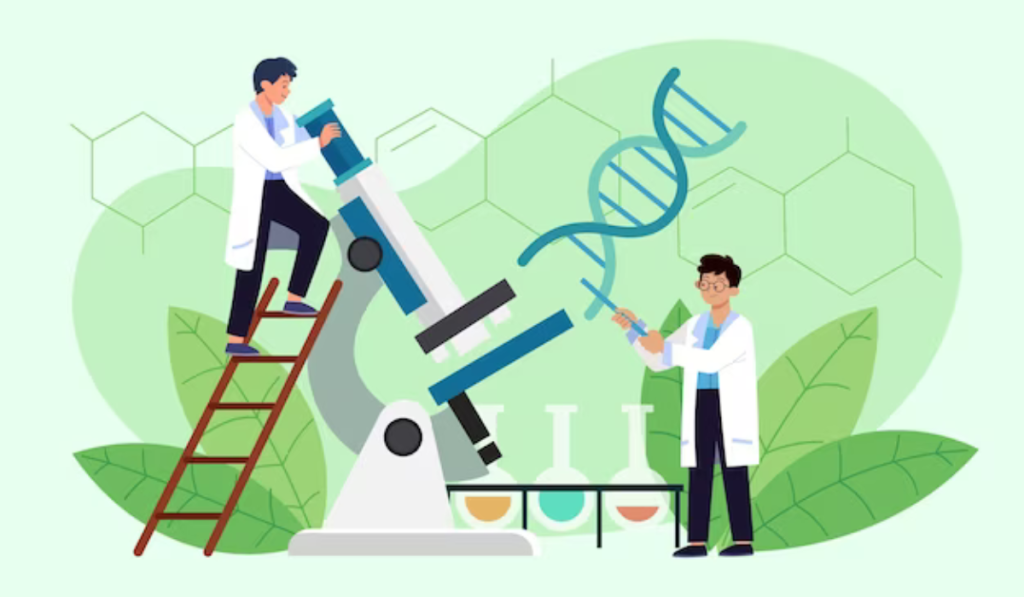
1. Introduction to Bachelor of Science in Health Science
A Bachelor of Science in Health Science degree provides students with a comprehensive understanding of health and wellness, preparing them for a wide range of careers in healthcare, public health, research, and beyond. This article explores the diverse job opportunities available to graduates with a Bachelor of Science in Health Science.
2. Understanding the Curriculum
The curriculum of a Bachelor of Science in Health Science program typically includes coursework in anatomy, physiology, epidemiology, healthcare ethics, healthcare administration, health promotion, and research methods. Students may also have the opportunity to specialize in areas such as health education, community health, or healthcare management.
3. Healthcare Administration
Graduates with a Bachelor of Science in Health Science often pursue careers in healthcare administration, where they manage healthcare facilities, coordinate patient services, oversee budgets, and ensure compliance with regulations. Positions may include healthcare administrators, clinic managers, or medical office managers.
4. Health Education and Promotion
Health education and promotion specialists work to educate individuals and communities about health-related topics, promote healthy behaviors, and prevent disease. Graduates with a Bachelor of Science in Health Science may work in schools, community organizations, government agencies, or healthcare settings as health educators, wellness coordinators, or public health advocates.
5. Clinical Research Coordination
Clinical research coordinators play a crucial role in conducting clinical trials and research studies, coordinating participant recruitment, collecting data, and ensuring compliance with study protocols. Graduates with a Bachelor of Science in Health Science may work in academic institutions, research organizations, pharmaceutical companies, or healthcare facilities as clinical research coordinators or research assistants.
6. Healthcare Consulting
Healthcare consultants provide strategic guidance and advisory services to healthcare organizations, helping them improve operational efficiency, implement quality improvement initiatives, and navigate regulatory requirements. Graduates with a Bachelor of Science in Health Science may work for consulting firms, healthcare technology companies, or government agencies as healthcare consultants or analysts.
7. Public Health Advocacy
Public health advocates work to promote policies and initiatives that improve population health and address health disparities. Graduates with a Bachelor of Science in Health Science may work for advocacy organizations, non-profit agencies, or government agencies as public health advocates, policy analysts, or community health coordinators.
8. Health Informatics
Health informatics professionals use technology and data analysis to improve healthcare delivery, patient outcomes, and population health. Graduates with a Bachelor of Science in Health Science may work in healthcare organizations, insurance companies, or technology firms as health informatics specialists, electronic health record coordinators, or healthcare data analysts.
9. Occupational Health and Safety
Occupational health and safety specialists work to protect workers from job-related hazards, prevent workplace injuries and illnesses, and ensure compliance with safety regulations. Graduates with a Bachelor of Science in Health Science may work in manufacturing companies, government agencies, or healthcare facilities as occupational health and safety specialists or industrial hygienists.
10. Pharmaceutical Sales and Marketing
Pharmaceutical sales representatives promote and sell pharmaceutical products to healthcare providers, pharmacies, and other healthcare facilities. Graduates with a Bachelor of Science in Health Science may work for pharmaceutical companies or medical device manufacturers as sales representatives, product specialists, or account managers.
11. Community Health Coordination
Community health coordinators work to improve the health and well-being of communities through outreach, education, and program coordination. Graduates with a Bachelor of Science in Health Science may work for local health departments, non-profit organizations, or community health centers as community health coordinators, outreach specialists, or program managers.
12. Healthcare Research and Analysis
Healthcare research and analysis professionals conduct data analysis, literature reviews, and research studies to inform healthcare policy and practice. Graduates with a Bachelor of Science in Health Science may work in research institutions, government agencies, or healthcare consulting firms as research analysts, policy analysts, or research assistants.
13. Healthcare Quality Improvement
Healthcare quality improvement specialists work to enhance the quality and safety of healthcare delivery, reduce medical errors, and improve patient outcomes. Graduates with a Bachelor of Science in Health Science may work in hospitals, quality improvement organizations, or healthcare consulting firms as quality improvement coordinators or patient safety specialists.
14. Health Policy and Advocacy
Health policy analysts research and analyze healthcare policies, advocate for policy changes, and engage in political advocacy to improve healthcare access and affordability. Graduates with a Bachelor of Science in Health Science may work for government agencies, advocacy organizations, or think tanks as health policy analysts, legislative assistants, or policy advocates.
15. Conclusion: Embracing Opportunities in Health Science Careers
A Bachelor of Science in Health Science opens doors to diverse and rewarding career opportunities in healthcare, public health, research, and beyond. Graduates with this degree possess a strong foundation in health-related topics and are well-equipped to make meaningful contributions to improving health outcomes and promoting wellness in communities around the world.
FAQs
1. What types of jobs can I pursue with a Bachelor of Science in Health Science?
Graduates with a Bachelor of Science in Health Science can pursue a wide range of careers, including healthcare administration, health education and promotion, clinical research coordination, healthcare consulting, public health advocacy, health informatics, occupational health and safety, pharmaceutical sales and marketing, community health coordination, healthcare research and analysis, healthcare quality improvement, and health policy and advocacy.
2. Can I work in healthcare with a Bachelor of Science in Health Science?
Yes, graduates with a Bachelor of Science in Health Science can work in various healthcare settings, including hospitals, clinics, long-term care facilities, rehabilitation centers, and healthcare administration offices. They may work in roles such as healthcare administrators, clinic managers, health educators, patient advocates, or research coordinators.
3. How can I prepare for a career in health science?
To prepare for a career in health science, individuals can pursue a Bachelor of Science in Health Science degree from an accredited institution, gain practical experience through internships or volunteer opportunities, develop strong communication and interpersonal skills, stay informed about current health issues and trends, and consider pursuing advanced degrees or certifications in specialized areas of interest.
4. What are some emerging trends in health science careers?
Emerging trends in health science careers include the integration of technology and data analytics into healthcare delivery, the focus on population health and preventive care, the expansion of telehealth and remote patient monitoring, the emphasis on health equity and social determinants of health, and the growing demand for interdisciplinary collaboration and team-based care.
5. How can I advance my career in health science?
To advance their careers in health science, individuals can pursue advanced degrees such as a Master of Public Health (MPH), Master of Health Administration (MHA), or Doctor of Health Science (DHSc), gain specialized certifications in areas such as healthcare quality improvement or health informatics, seek leadership roles within their organizations, and participate in professional development opportunities such as conferences, workshops, and continuing education programs.
Related link: Bachelor of Science in Health Administration


