







Carbon Footprint: Navigating the Path to a Sustainable Future 2024
Introduction:
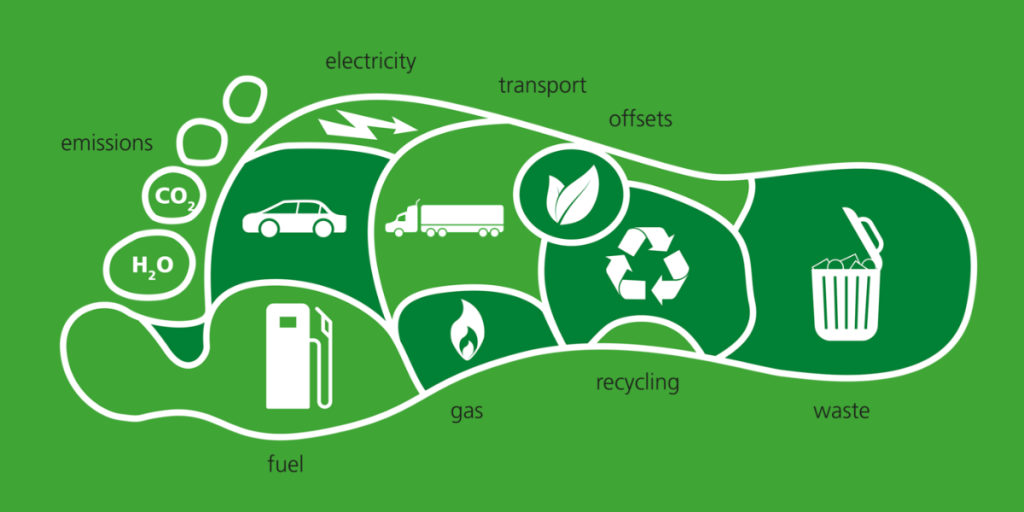
In the contemporary landscape marked by environmental consciousness and the imperative to address climate change, the concept of “carbon footprint” has gained prominence. A carbon footprint represents the total greenhouse gas emissions, primarily carbon dioxide, associated with an individual, organization, event, or product. Understanding and mitigating carbon footprints are crucial steps towards achieving a sustainable future. This comprehensive guide delves into the intricacies of carbon footprints, exploring their definition, calculation methods, impact on climate change, and strategies for reduction.
I. Defining the Carbon Footprint:
1. What is a Carbon Footprint?
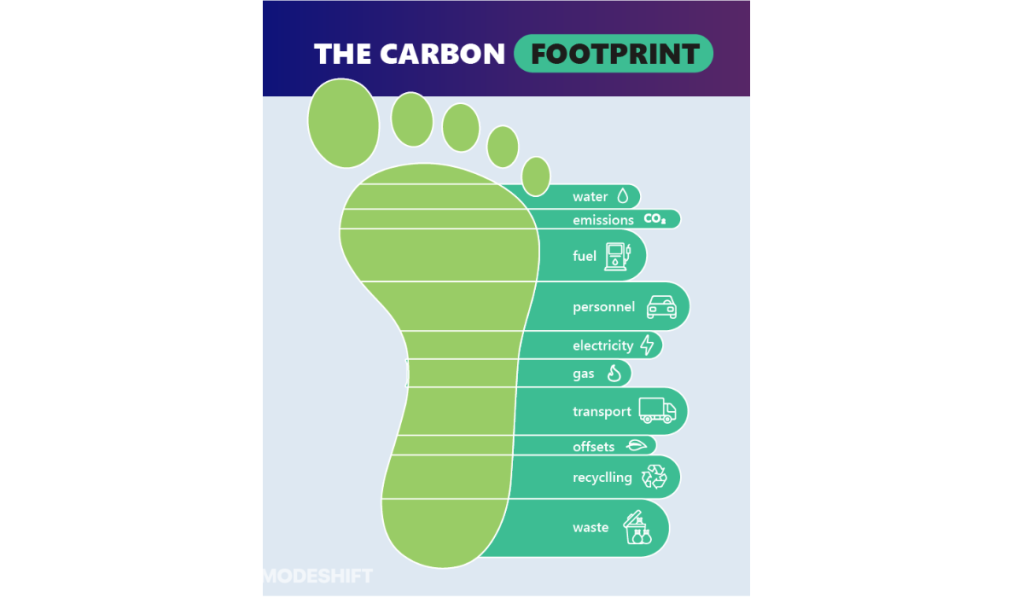
A carbon footprint is the total amount of greenhouse gases, measured in carbon dioxide equivalents (CO2e), directly and indirectly associated with an individual, organization, activity, or product throughout its life cycle. This comprehensive metric includes emissions from various sources, such as energy consumption, transportation, and production processes.
2. Components of Carbon Footprint:
- Direct Emissions (Scope 1): Emissions from sources directly controlled by the entity, such as on-site fuel combustion and industrial processes.
- Indirect Emissions from Energy Use (Scope 2): Emissions from the generation of purchased electricity, heat, or steam.
- Indirect Emissions from the Supply Chain (Scope 3): Emissions from activities not directly owned or controlled by the entity, including raw material extraction, production, transportation, and end-of-life disposal.
II. Calculating Carbon Footprint:
1. Life Cycle Assessment (LCA):
- LCAs provide a holistic approach to calculating carbon footprints by assessing environmental impacts throughout a product or process’s life cycle.
- Stages include raw material extraction, manufacturing, transportation, product use, and end-of-life disposal.
2. Carbon Footprint Calculation Tools:
- Carbon Calculators: Online tools help individuals estimate their personal carbon footprint based on lifestyle choices, travel habits, and energy consumption.
- Corporate Carbon Accounting Software: Organizations use specialized software to track and analyze emissions data for comprehensive carbon footprint reporting.
III. Impact of Carbon Footprint on Climate Change:
1. Greenhouse Gas Effect:
- Human activities release greenhouse gases, primarily carbon dioxide, into the atmosphere.
- Greenhouse gases trap heat, leading to the warming of the Earth’s surface—a phenomenon known as the greenhouse effect.
2. Contribution to Global Warming:
- Increased concentrations of greenhouse gases enhance the greenhouse effect, contributing to global warming and climate change.
- Rising temperatures lead to consequences such as more frequent and severe weather events, melting ice caps, and disruptions to ecosystems.
3. Role in Carbon Neutrality:
- Achieving carbon neutrality involves balancing emitted greenhouse gases with equivalent amounts removed or offset through actions like reforestation or carbon capture technologies.
- Carbon footprint reduction is a fundamental step towards global efforts to achieve carbon neutrality.
IV. Strategies for Carbon Footprint Reduction:
1. Energy Efficiency:
- Renewable Energy Adoption: Transitioning to renewable energy sources like solar and wind reduces reliance on fossil fuels.
- Energy-Efficient Practices: Implementing energy-saving technologies and practices in homes, businesses, and industries.
2. Sustainable Transportation:
- Public Transit and Carpooling: Opting for public transportation or carpooling reduces individual carbon footprints.
- Electric Vehicles: Choosing electric or hybrid vehicles decreases reliance on traditional gasoline-powered cars.
3. Waste Reduction and Recycling:
- Waste Minimization: Reducing waste generation through conscious consumption and responsible disposal.
- Recycling Programs: Establishing effective recycling programs to divert materials from landfills.
4. Sustainable Agriculture and Food Choices:
- Local and Sustainable Food: Choosing locally produced and sustainably sourced food reduces the carbon footprint associated with transportation and production.
- Plant-Based Diets: Reducing meat consumption and adopting plant-based diets contribute to lower greenhouse gas emissions.
5. Green Building Practices:
- Energy-Efficient Buildings: Constructing or retrofitting buildings with energy-efficient designs and technologies.
- LEED Certification: Adhering to Leadership in Energy and Environmental Design (LEED) standards for sustainable building practices.
6. Carbon Offsetting:
- Investing in Carbon Offset Projects: Supporting initiatives that capture or prevent the release of greenhouse gases, such as reforestation or renewable energy projects.
- Voluntary Offsetting: Individuals and organizations can voluntarily offset their emissions to compensate for unavoidable carbon footprints.
V. Industries and Carbon Footprint:
1. Energy Production:
- Transition to Renewable Energy: The energy sector can significantly reduce its carbon footprint by transitioning to renewable energy sources.
- Carbon Capture and Storage (CCS): Implementing CCS technologies to capture and store emitted carbon dioxide.
2. Transportation:
- Electric Vehicles: Increasing the adoption of electric vehicles and supporting infrastructure.
- Alternative Fuels: Exploring and investing in alternative fuels that produce fewer emissions than traditional fossil fuels.
3. Manufacturing:
- Efficient Processes: Implementing energy-efficient and sustainable manufacturing processes.
- Supply Chain Management: Addressing emissions associated with the entire supply chain, from raw material extraction to end-of-life disposal.
4. Agriculture:
- Precision Farming: Employing precision farming techniques to optimize resource use and reduce emissions.
- Agroforestry: Integrating trees into agricultural landscapes to sequester carbon and enhance sustainability.
VI. Carbon Footprint FAQs:
Q1: How does personal transportation contribute to an individual’s carbon footprint?
A1: Personal transportation, especially using gasoline-powered vehicles, contributes to an individual’s carbon footprint through the combustion of fossil fuels, releasing carbon dioxide and other pollutants into the atmosphere. Transitioning to electric or hybrid vehicles and utilizing public transportation can help reduce this impact.
Q2: Can businesses accurately measure their carbon footprint?
A2: Yes, businesses can measure their carbon footprint using tools such as carbon calculators and specialized carbon accounting software. Conducting a comprehensive life cycle assessment (LCA) helps identify emission sources throughout the supply chain, allowing for targeted reduction strategies.
Q3: How can individuals reduce their carbon footprint in their daily lives?
A3: Individuals can reduce their carbon footprint by adopting energy-efficient practices, choosing sustainable transportation options, minimizing waste, adopting plant-based diets, and supporting renewable energy sources. Small lifestyle changes collectively contribute to a significant impact.
Q4: What role does carbon offsetting play in carbon footprint reduction?
A4: Carbon offsetting involves investing in projects that capture or prevent the release of greenhouse gases, essentially balancing out an individual’s or organization’s emissions. While not a substitute for direct emission reduction efforts, offsetting can be a valuable part of an overall sustainability strategy.
Q5: How do agricultural practices impact carbon footprints?
A5: Agricultural practices impact carbon footprints through emissions from livestock, use of fertilizers, and land-use changes. Sustainable agriculture practices, such as precision farming and agrofore
stry, can help mitigate these emissions and contribute to overall carbon footprint reduction.
Q6: Is achieving carbon neutrality possible for individuals and organizations?
A6: Achieving complete carbon neutrality may be challenging, but individuals and organizations can strive to reduce their carbon footprints through sustainable practices and by offsetting unavoidable emissions. The commitment to continuous improvement and innovation is key to making progress towards carbon neutrality.
Q7: How can governments contribute to carbon footprint reduction?
A7: Governments play a crucial role in carbon footprint reduction by implementing and enforcing policies that promote renewable energy, energy efficiency, sustainable transportation, and responsible land use. They can also support research and development of green technologies.
Q8: What is the significance of carbon footprint reduction in addressing climate change?
A8: Carbon footprint reduction is vital in mitigating climate change as it directly addresses the root cause—the release of greenhouse gases. By minimizing emissions and adopting sustainable practices, individuals, businesses, and nations contribute to global efforts to limit temperature rise and build a more resilient future.
Conclusion:
Understanding and addressing the carbon footprint is an essential step towards creating a more sustainable and resilient future. As individuals, businesses, and nations grapple with the challenges of climate change, taking responsibility for our carbon emissions becomes a shared imperative. By adopting sustainable practices, leveraging innovative technologies, and embracing a collective commitment to reducing our impact on the environment, we pave the way for a more sustainable and harmonious coexistence with the planet. As we navigate the complexities of the 21st century, the journey towards a reduced carbon footprint stands as a defining pathway to building a healthier and more sustainable world for generations to come.


