







Galaxies the Cosmic Tapestry: A Journey into the Vast Realm of Galaxies 2024
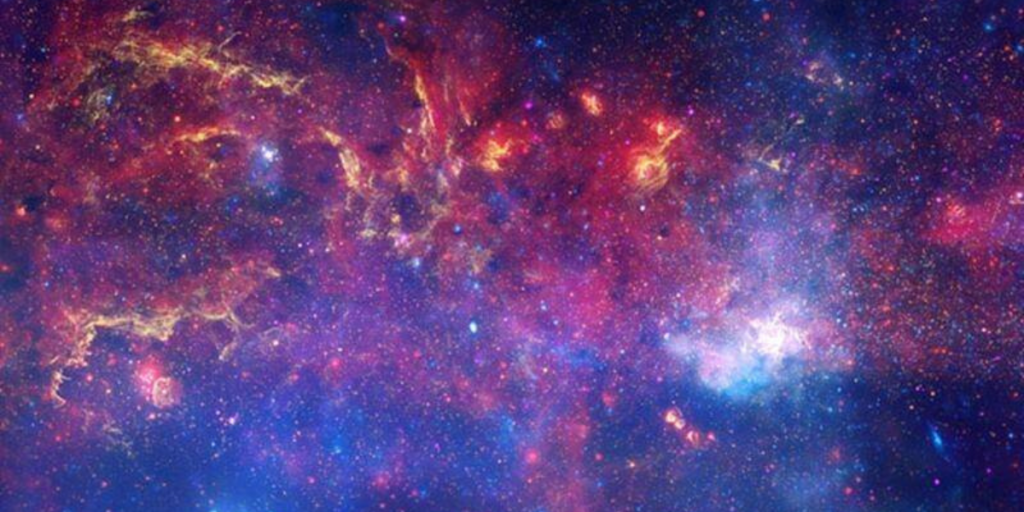
In the grand cosmic tapestry, galaxies stand as majestic cosmic islands, each a collection of billions to trillions of stars, cosmic dust, dark matter, and the boundless mysteries of the universe. This comprehensive exploration takes us on a captivating journey through the realm of galaxies, delving into their classifications, formations, diverse types, and the profound impact they have on our understanding of the cosmos.
Galaxies: Cosmic Assemblages of Stardust and Wonder
1. Defining Galaxies:
- Galaxies are vast systems of stars, stellar remnants, interstellar gas, dust, and dark matter bound together by gravity.
- The universe is populated by billions of galaxies, each unique in its composition, size, and structure.
2. Historical Odyssey:
- The concept of galaxies has evolved throughout history, from early philosophical ponderings to the revolutionary observations of astronomers like Edwin Hubble.
- Hubble’s contributions, including the Hubble Space Telescope, have been instrumental in unraveling the secrets of galaxies.
3. Galactic Neighborhood:
- Our home galaxy, the Milky Way, is just one among countless galaxies in the observable universe.
- Galaxies are grouped into clusters and superclusters, forming the large-scale structure of the cosmos.
Classification and Diversity of Galaxies

4. Hubble’s Galaxy Classification:
- Edwin Hubble’s galaxy classification system categorizes galaxies into elliptical, spiral, and irregular based on their shapes.
- Each classification provides insights into the structure, dynamics, and evolutionary history of galaxies.
5. Elliptical Galaxies:
- Elliptical galaxies, shaped like ellipsoids, range from nearly spherical to highly elongated.
- They often lack the distinctive spiral arms seen in other types and are characterized by older stellar populations.
6. Spiral Galaxies:
- Spiral galaxies, with prominent arms winding around a central bulge, showcase ongoing star formation.
- The Milky Way is a classic example of a barred spiral galaxy.
7. Irregular Galaxies:
- Irregular galaxies defy the regular shapes seen in elliptical and spiral galaxies.
- They often result from gravitational interactions and mergers between galaxies.
8. Dwarf Galaxies:
- Dwarf galaxies are smaller in size and luminosity compared to their larger counterparts.
- They play a crucial role in the cosmic web’s structure and are key to understanding galaxy formation.
Galactic Formations and Evolution
9. Cosmic Ballet: Galaxy Formation:
- The formation of galaxies is intricately linked to the cosmic web’s large-scale structure.
- Gravity pulls matter into denser regions, eventually forming galaxies over cosmic timescales.
10. Collisions and Mergers:
- Galactic collisions and mergers are dynamic events that influence a galaxy’s structure and trigger star formation.
- The Andromeda–Milky Way collision, expected in billions of years, offers a glimpse into galactic interactions.
11. Active Galactic Nuclei (AGN):
- AGN are powered by supermassive black holes at a galaxy’s center, emitting intense radiation across various wavelengths.
- Quasars, a type of AGN, are among the most energetic objects in the universe.
12. Galactic Lifecycle:
- Galaxies evolve over cosmic timescales, experiencing phases of intense star formation, quiescence, and interactions.
- The lifecycle of galaxies is shaped by internal and external factors.
Types of Galaxies Across the Universe
13. Spiral Galaxies: Guardians of Cosmic Beauty:
- Spiral galaxies, characterized by their graceful arms, are common in the universe.
- Grand design spirals, like the Whirlpool Galaxy, captivate with their intricate patterns.
14. Elliptical Galaxies: Stellar Reservoirs:
- Elliptical galaxies, often found in galaxy clusters, exhibit a smooth, featureless appearance.
- They are repositories of aging stars and lack the vibrant star-forming regions seen in spirals.
15. Irregular Galaxies: Cosmic Rebels:
- Irregular galaxies, lacking defined structures, showcase the chaotic beauty of cosmic rebellion.
- The Large Magellanic Cloud is a prominent irregular galaxy in close proximity to the Milky Way.
16. Dwarf Galaxies: Cosmic Building Blocks:
- Dwarf galaxies, both elliptical and irregular, play a crucial role in the cosmic ecosystem.
- They contribute to the enrichment of intergalactic gas and influence larger galaxies through gravitational interactions.
The Galactic Neighborhood: A Cosmic Ensemble
17. Local Group: A Galactic Community:
- The Local Group is a small galactic gathering comprising the Milky Way, Andromeda, and other smaller galaxies.
- The gravitational dance within the Local Group shapes the destiny of its member galaxies.
18. Galaxy Clusters: Cosmic Metropolises:
- Galaxy clusters, vast cosmic metropolises, are collections of galaxies bound together by gravity.
- The Coma Cluster and Virgo Cluster are prominent examples in the observable universe.
19. Superclusters: Cosmic Cities of the Cosmos:
- Superclusters are colossal cosmic structures comprising multiple galaxy clusters.
- Laniakea, our home supercluster, influences the flow of galaxies in the cosmic web.
The Enigma of Dark Matter in Galaxies
20. Dark Matter: The Cosmic Enigma:
- Dark matter, a mysterious and invisible form of matter, exerts gravitational influence on galaxies.
- Its presence is inferred from the observed motions of stars and galaxies, shaping the cosmic landscape.
Frequently Asked Questions (FAQs)
Q1: How many galaxies are there in the universe?
A1: The observable universe contains billions of galaxies, each hosting billions to trillions of stars. The exact count is continually refined as observational techniques improve.
Q2: How do scientists study galaxies?
A2: Scientists study galaxies using various observational tools, including telescopes that detect light across the electromagnetic spectrum. Advanced instruments, such as the Hubble Space Telescope, provide detailed images and spectra for analysis.
Q3: Are all galaxies part of galaxy clusters?
A3: While many galaxies are part of galaxy clusters, some exist in isolation. The distribution of galaxies in the universe includes clusters, groups, and individual galaxies.
Q4: Can galaxies collide?
A4: Yes, galaxies can collide and merge over cosmic timescales. These interactions influence their structures, trigger star formation, and play a crucial role in the evolution of galaxies.
Q5: What is the significance of galaxy classifications?
A5: Galaxy classifications, such as Hubble’s system, provide a framework for understanding the diversity of galaxies. They offer insights into a galaxy’s structure, composition, and evolutionary history.
Q6: How do galaxies evolve?
A6: Galaxies evolve through processes such as star formation,
interactions, mergers, and the influence of dark matter. The interplay of these factors shapes a galaxy’s lifecycle over cosmic timescales.
Q7: What role does dark matter play in galaxies?
A7: Dark matter exerts gravitational influence on galaxies, contributing to their stability and influencing the motion of stars within them. Its presence is inferred from observed gravitational effects.
Q8: Can galaxies exist without dark matter?
A8: Current observations suggest that dark matter is a significant component of galaxies. While some dwarf galaxies may have less dark matter, its presence is integral to the observed dynamics of most galaxies.
Q9: How do astronomers determine the age of galaxies?
A9: Astronomers estimate the age of galaxies by studying their stellar populations. The ages and compositions of stars within a galaxy provide clues about its formation history.
Q10: What is the future of galactic exploration?
A10: The future of galactic exploration involves advanced telescopes and observatories, such as the James Webb Space Telescope (JWST), which will enhance our ability to study galaxies in unprecedented detail. Ongoing and future missions aim to unravel additional mysteries of the cosmic landscape.
Conclusion: The Cosmic Odyssey Continues
Galaxies, with their captivating diversity and cosmic influence, invite us to embark on a never-ending odyssey of exploration and discovery. From the graceful spirals to the enigmatic ellipticals, each galaxy tells a unique story of cosmic evolution. As our observational tools advance and our understanding deepens, the mysteries of galaxies unravel, painting a more intricate portrait of the universe. The journey into the cosmic realm of galaxies continues, fueled by human curiosity, technological innovation, and the insatiable quest to comprehend the vast cosmic tapestry that stretches across the cosmos.


