







Forests: Guardians of Biodiversity and Lungs of the Earth 2024
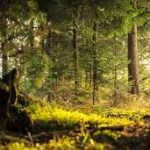
Forests, the verdant lungs of our planet, are mystical realms that harbor an unparalleled diversity of life and play a crucial role in maintaining the delicate balance of ecosystems. From the towering canopies of the Amazon to the ancient woodlands of Europe, forests have captivated human imagination for centuries. In this exploration, we will delve into the enchanting world of forests, unraveling their ecological significance, the diverse life forms they nurture, and the challenges they face in an ever-changing world.
The Essence of Forests:
1. Definition and Diversity:
Forests are expansive ecosystems dominated by trees, encompassing a remarkable variety of flora and fauna. They are characterized by their canopy structure, which forms a multi-layered habitat for a myriad of organisms.
2. Types of Forests:
Forests come in various types, each adapted to specific climatic conditions and geographical locations. The main categories include tropical rainforests, temperate forests, boreal forests, and deciduous forests, each with its unique flora and fauna.
Key Forest Types:
- Tropical Rainforests: Found near the equator, these lush forests boast unparalleled biodiversity.
- Temperate Forests: Found in regions with distinct seasons, characterized by deciduous and coniferous trees.
- Boreal Forests: Dominated by coniferous trees, these cold forests thrive in high-latitude regions.
The Ecological Role of Forests:

3. Oxygen Production:
Forests are often referred to as the “lungs of the Earth” due to their vital role in oxygen production. Through photosynthesis, trees convert carbon dioxide into oxygen, contributing significantly to the planet’s atmospheric composition.
4. Carbon Sequestration:
Forests act as crucial carbon sinks, absorbing and storing vast amounts of carbon dioxide. This helps mitigate the impact of human activities, such as burning fossil fuels, by reducing the concentration of greenhouse gases in the atmosphere.
Environmental Services:
- Climate Regulation: Forests influence local and global climates by regulating temperature, precipitation, and humidity.
- Water Filtration: Tree roots filter and purify water, contributing to the quality of rivers and aquifers.
5. Biodiversity Hotspots:
Forests are hotspots of biodiversity, harboring an incredible array of plant and animal species. The complex structure of a forest provides diverse niches, fostering the evolution of countless organisms.
Keystone Species:
- The Role of Trees: Trees, as keystone species, provide habitat, food, and shelter for numerous organisms.
- Biodiversity Conservation: Forests contribute to global biodiversity, supporting countless species, many of which are endemic and endangered.
Forest Threats and Conservation:
6. Deforestation:
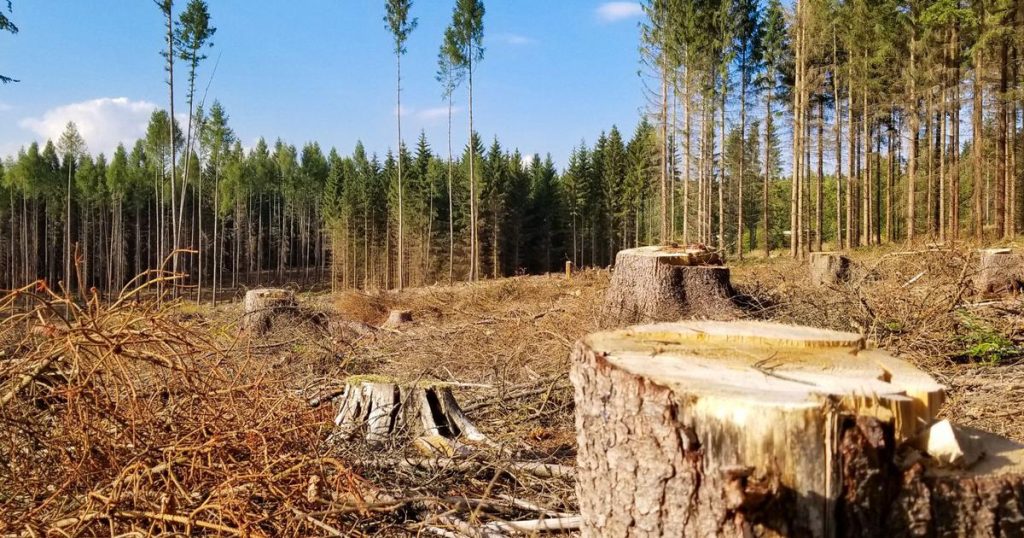
One of the most significant threats to forests is deforestation, driven by human activities such as logging, agriculture expansion, and infrastructure development. The loss of forests has profound implications for biodiversity, climate, and indigenous communities.
Impacts of Deforestation:
- Loss of Biodiversity: Deforestation leads to the extinction of species and disrupts ecosystems.
- Climate Change: The release of stored carbon contributes to global warming.
7. Forest Conservation Strategies:
Efforts to preserve and restore forests are crucial for sustaining biodiversity and mitigating climate change. Conservation strategies include protected areas, sustainable logging practices, and community-based initiatives.
Conservation Initiatives:
- Protected Areas: Designating areas as national parks or reserves helps safeguard ecosystems.
- Sustainable Forestry: Practices such as selective logging aim to minimize ecological impact.
- Reforestation and Afforestation: Planting trees in deforested areas helps restore ecosystems.
Forests and Human Interaction:
8. Cultural Significance:
Forests hold immense cultural significance for various communities worldwide. They feature prominently in folklore, spiritual practices, and traditional knowledge.
Cultural Connections:
- Sacred Groves: Many cultures designate specific areas within forests as sacred, fostering biodiversity conservation.
- Traditional Practices: Indigenous communities often have sustainable forest management practices that have evolved over generations.
9. Economic Importance:
Forests contribute significantly to the global economy through the timber industry, non-timber forest products, and ecotourism. Sustainable forest management is crucial for balancing economic interests with ecological health.
Economic Aspects:
- Timber Industry: Responsible logging practices support economic activities without compromising forest health.
- Non-timber Forest Products: Forests provide a wide array of products, including fruits, nuts, and medicinal plants.
- Ecotourism: Forests attract tourists seeking immersive nature experiences, contributing to local economies.
FAQs: Navigating the World of Forests
Q1: How do forests contribute to climate change mitigation?
A1: Forests contribute to climate change mitigation through carbon sequestration. Trees absorb carbon dioxide during photosynthesis and store carbon in their biomass. This helps reduce the concentration of greenhouse gases in the atmosphere, mitigating the impact of climate change.
Q2: What are the main drivers of deforestation?
A2: The main drivers of deforestation include agricultural expansion, logging, infrastructure development, and urbanization. These activities often result in the clearing of large forested areas, leading to habitat loss and ecological disruption.
Q3: How do forests impact water quality?
A3: Forests play a crucial role in maintaining water quality. Tree roots help filter impurities, and forest ecosystems act as sponges, regulating water flow and preventing soil erosion. This contributes to clean and healthy water sources.
Q4: Can deforested areas be restored?
A4: Yes, deforested areas can be restored through reforestation and afforestation efforts. Planting native trees, implementing sustainable land-use practices, and protecting regenerating ecosystems contribute to the restoration of deforested areas.
Q5: How can individuals contribute to forest conservation?
A5: Individuals can contribute to forest conservation by supporting sustainable products, practicing responsible tourism, participating in tree-planting initiatives, and advocating for policies that prioritize forest protection. Conscious consumer choices can make a significant impact.
Q6: Do all forests have the same level of biodiversity?
A6: No, the level of biodiversity varies among different types of forests. Tropical rainforests, for example, are known for their exceptionally high biodiversity, while boreal forests may have lower species diversity but still play crucial ecological roles.
Q7: What is the role of indigenous communities in forest conservation?
A7: Indigenous communities often play a pivotal role in forest conservation. Their traditional knowledge and sustainable management practices contribute to biodiversity conservation and ecosystem health. Recognizing and respecting indigenous land rights is crucial for effective conservation.
Q8: How does logging impact forest ecosystems?
A8: Logging can have significant impacts on forest ecosystems, including habitat disruption, soil erosion, and loss of biodiversity. Sustainable logging practices, such as selective logging and reduced-impact logging, aim to minimize these negative effects.
Q9: Are there efforts to combat illegal logging?
A9: Yes, there are global efforts to combat illegal logging. Initiatives include the implementation of forest certification systems (e.g., FSC), strengthening law enforcement, and promoting
sustainable forestry practices to discourage illegal activities.
Q10: Can urban forests provide the same ecological benefits as natural forests?
A10: While urban forests may not replicate the complexity of natural forests, they can provide important ecological benefits such as carbon sequestration, temperature regulation, and habitat for urban wildlife. Proper planning and management are essential to maximize these benefits in urban areas.
Conclusion:
Forests stand as majestic guardians of biodiversity, vital contributors to climate regulation, and integral components of our cultural and economic tapestry. As stewards of these precious ecosystems, it is our responsibility to recognize the profound impact of human actions on forests and strive for sustainable coexistence. Through conservation efforts, responsible land-use practices, and a deeper understanding of the intricate web of life within forests, we can ensure that these enchanting realms continue to thrive, nurturing life and sustaining the delicate balance of our planet.
Related Links: Nature’s Microcosm


