







Unlocking the Mysteries of Radiologic Technology 2024

In the ever-evolving landscape of healthcare, radiologic technology stands as a cornerstone of diagnostic and therapeutic interventions. From X-rays to magnetic resonance imaging (MRI), this field utilizes advanced imaging techniques to visualize internal structures, detect abnormalities, and guide medical procedures. In this comprehensive guide, we delve into the Bachelor of Science in Radiologic Technology program, exploring its significance, curriculum, career prospects, and frequently asked questions (FAQs).
I. Introduction to Radiologic Technology
1. The Vital Role of Radiologic Technologists:
- Radiologic technologists play a crucial role in healthcare by operating imaging equipment to produce high-quality medical images.
- These images aid physicians in diagnosing and treating various medical conditions, ranging from fractures and tumors to cardiovascular diseases.
2. Evolution of Imaging Modalities:
- Over the years, radiologic technology has witnessed remarkable advancements, including the development of digital radiography, computed tomography (CT), and positron emission tomography (PET).
- Each imaging modality offers unique capabilities and applications, enabling healthcare providers to obtain detailed anatomical and functional information.
II. Bachelor of Science in Radiologic Technology Program Overview
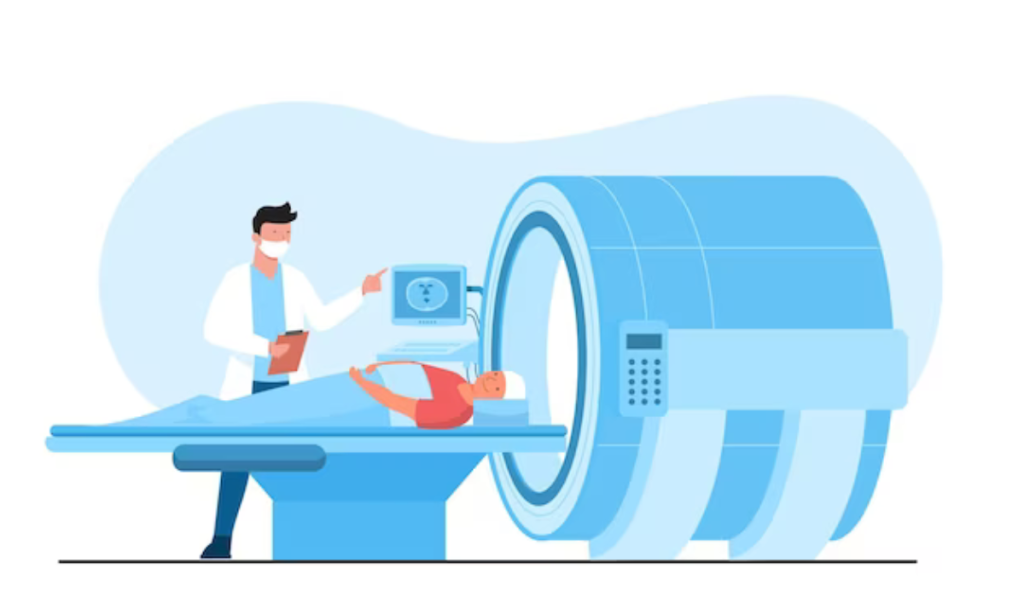
1. Curriculum Highlights:
- The Bachelor of Science in Radiologic Technology program combines theoretical coursework with hands-on clinical training.
- Students study anatomy, physiology, patient care, radiation physics, radiographic procedures, and imaging techniques tailored to specific body systems.
2. Clinical Experience:
- Clinical rotations provide students with practical experience in healthcare settings, where they learn to operate imaging equipment, position patients, and ensure radiation safety.
- Supervised by experienced technologists and radiologists, students gain proficiency in producing diagnostic images while prioritizing patient comfort and safety.
III. Career Opportunities in Radiologic Technology
1. Diverse Career Paths:
- Graduates of the program can pursue careers as radiologic technologists in hospitals, clinics, imaging centers, and outpatient facilities.
- They may specialize in areas such as computed tomography (CT), magnetic resonance imaging (MRI), mammography, nuclear medicine, or interventional radiology.
2. Professional Growth:
- With ongoing technological advancements and an aging population, the demand for skilled radiologic technologists is expected to grow.
- Graduates can pursue advanced certifications, leadership roles, or academic positions to further their career development.
IV. FAQs About Bachelor of Science in Radiologic Technology
Q1: What is the difference between radiologic technology and radiology?
A1: Radiologic technology focuses on operating imaging equipment and producing diagnostic images, while radiology encompasses the interpretation of these images by physicians (radiologists) to diagnose and treat medical conditions.
Q2: Is radiologic technology a rewarding career path?
A2: Yes, radiologic technology offers a rewarding career helping patients, working with cutting-edge technology, and contributing to healthcare diagnostics and treatment.
Q3: How long does it take to complete a Bachelor of Science in Radiologic Technology program?
A3: Typically, a Bachelor of Science in Radiologic Technology program takes four years to complete, including both classroom instruction and clinical training.
Q4: What are the prerequisites for admission to a radiologic technology program?
A4: Prerequisites may vary, but commonly include high school coursework in biology, chemistry, physics, and mathematics. Some programs may also require prerequisite college courses or healthcare experience.
Q5: What skills are essential for success in radiologic technology?
A5: Strong communication skills, attention to detail, technical proficiency, empathy, and adaptability are essential qualities for success in radiologic technology.
V. Conclusion: Shaping the Future of Healthcare Imaging
The Bachelor of Science in Radiologic Technology program empowers students with the knowledge, skills, and clinical experience necessary to embark on a fulfilling career in medical imaging. As technology continues to advance, radiologic technologists remain at the forefront of diagnostic and therapeutic innovation, playing a vital role in enhancing patient care and outcomes. Through rigorous education, hands-on training, and a commitment to excellence, graduates of this program contribute to the advancement of healthcare and the well-being of communities worldwide.
Related link: Narrow or Weak Artificial Intelligence


