







Conservation: Nurturing Our Planet for Future Generations 2024
Introduction:
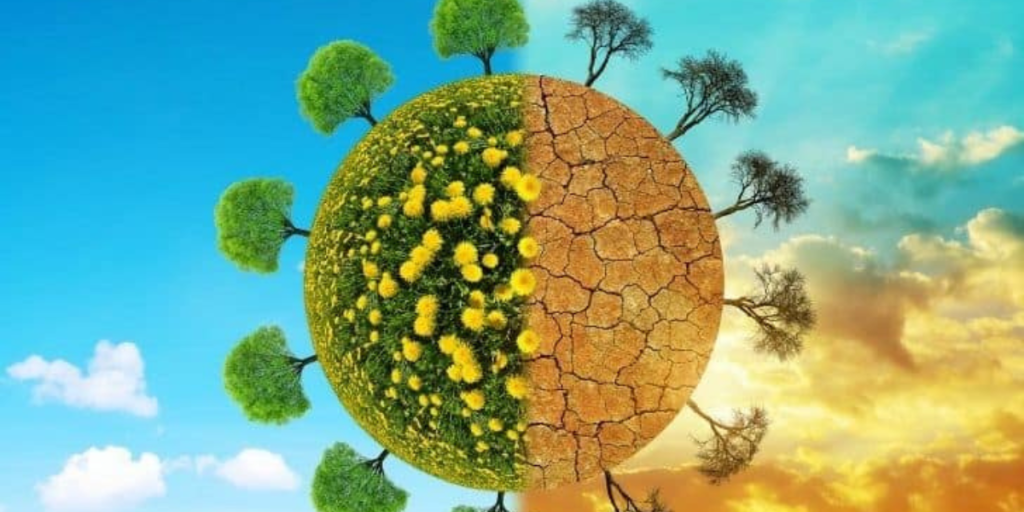
Conservation, the wise and sustainable use of natural resources, stands as a cornerstone in our collective responsibility to protect and preserve the Earth’s biodiversity and ecosystems. As humanity grapples with the challenges of climate change, habitat loss, and dwindling biodiversity, the importance of conservation becomes increasingly evident. In this comprehensive exploration, we will delve into the principles of conservation, the significance of biodiversity, the threats facing our ecosystems, conservation strategies, and the role individuals and communities play in safeguarding the planet for future generations.
I. The Principles of Conservation:
1. Biodiversity:
Biodiversity, the variety of life on Earth, encompasses the diversity of species, ecosystems, and genetic resources. It is a fundamental aspect of healthy ecosystems, providing resilience, adaptability, and a myriad of ecological services. Conservation efforts aim to protect and enhance biodiversity to maintain the balance of ecosystems.
2. Sustainable Resource Use:
Conservation emphasizes sustainable resource use, ensuring that natural resources are harvested at a rate that allows for regeneration and does not compromise the long-term health of ecosystems. This principle extends to forestry, fisheries, agriculture, and other human activities that interact with the environment.
3. Preservation of Habitats:
Preserving habitats is crucial for the survival of diverse species. Conservation efforts focus on safeguarding intact ecosystems, preventing habitat fragmentation, and restoring degraded habitats. Healthy habitats provide essential services, including clean air and water, pollination, and climate regulation.
4. Global Collaboration:
Conservation is a global endeavor that requires collaboration across borders. International agreements and organizations play a pivotal role in addressing transboundary issues, such as migratory species, climate change, and the trade of endangered species. Shared responsibility is essential for effective conservation.
II. The Significance of Biodiversity:

1. Ecosystem Stability:
Biodiversity contributes to the stability and resilience of ecosystems. Diverse ecosystems are better equipped to withstand environmental changes, such as climate fluctuations or disease outbreaks. The intricate web of interactions between species helps maintain ecological balance.
2. Economic Value:
Biodiversity is a source of economic value through ecosystem services such as pollination, water purification, and soil fertility. Healthy ecosystems support agriculture, fisheries, and forestry, providing livelihoods for communities and contributing to global economies.
3. Medicinal Resources:
Many plants and animals in biodiverse ecosystems have provided humanity with medicinal resources for centuries. Biodiversity is a source of potential cures for diseases, and the loss of species may limit future medical discoveries.
4. Cultural and Aesthetic Value:
Biodiversity holds cultural significance for many communities worldwide. Indigenous cultures, in particular, often have deep connections to the land and its diverse species, incorporating them into traditions, art, and spiritual practices. Additionally, biodiversity enhances the aesthetic value of landscapes.
III. Threats to Biodiversity:
1. Habitat Destruction and Fragmentation:
One of the primary threats to biodiversity is habitat destruction, driven by activities such as deforestation, urbanization, and agriculture. Fragmentation of habitats isolates populations, making it challenging for species to thrive and reducing genetic diversity.
2. Climate Change:
Climate change poses a significant threat to biodiversity by altering temperature and precipitation patterns, affecting habitats, and disrupting the life cycles of many species. Rising temperatures can force species to migrate to higher altitudes or latitudes, leading to shifts in ecosystems.
3. Pollution:
Pollution, whether from industrial activities, agriculture, or improper waste disposal, negatively impacts biodiversity. Contaminants in air, water, and soil can harm plants, animals, and microorganisms, disrupting ecological processes and causing long-term damage.
4. Overexploitation:
Overexploitation of natural resources, including overfishing, poaching, and illegal logging, threatens many species. Unsustainable harvesting practices can deplete populations, leading to declines in biodiversity and ecosystem imbalances.
5. Invasive Species:
The introduction of non-native species to new environments can have detrimental effects on local ecosystems. Invasive species may outcompete or prey upon native species, disrupting the natural balance and leading to declines in biodiversity.
IV. Conservation Strategies:
1. Protected Areas and Reserves:
Establishing protected areas and reserves is a key strategy in conservation. These areas provide safe havens for biodiversity, allowing ecosystems to recover and species to thrive. National parks, wildlife sanctuaries, and marine reserves are essential components of this approach.
2. Habitat Restoration:
Efforts to restore degraded habitats contribute to conservation goals. Reforestation, wetland restoration, and coral reef rehabilitation are examples of projects that aim to enhance ecosystem health, increase biodiversity, and improve resilience to environmental changes.
3. Sustainable Resource Management:
Implementing sustainable resource management practices ensures that natural resources are used in a way that maintains their availability for future generations. This includes sustainable forestry, fisheries management, and responsible agriculture practices.
4. Conservation Education and Outreach:
Raising awareness and educating communities about the importance of conservation is vital for fostering a sense of responsibility. Conservation education programs engage the public in understanding the value of biodiversity and inspire action to protect the environment.
5. Community Involvement:
Engaging local communities in conservation efforts is crucial for success. Communities often have traditional knowledge about their local ecosystems and can play a central role in monitoring, managing, and conserving natural resources sustainably.
V. Individual and Community Roles in Conservation:
1. Sustainable Lifestyles:
Individuals can contribute to conservation by adopting sustainable lifestyles. This includes reducing waste, making eco-friendly consumer choices, conserving energy, and supporting businesses and practices that prioritize environmental responsibility.
2. Citizen Science:
Citizen science initiatives involve the public in scientific research and monitoring efforts. Individuals can contribute valuable data on local biodiversity, contributing to larger scientific endeavors and helping to track changes in ecosystems.
3. Conservation Advocacy:
Advocacy for conservation policies and
practices is a powerful tool for individuals and communities. Supporting and participating in campaigns, lobbying for stronger environmental regulations, and raising awareness about conservation issues are impactful ways to make a difference.
4. Sustainable Agriculture:
Communities can promote sustainable agriculture by adopting practices that prioritize soil health, biodiversity, and reduced chemical inputs. Agroecology, organic farming, and permaculture are examples of sustainable agricultural approaches.
5. Community-Based Conservation Projects:
Engaging in community-based conservation projects fosters a sense of local ownership and responsibility. Initiatives such as community-led reforestation, wildlife monitoring, and sustainable tourism can have positive impacts on both ecosystems and communities.
VI. Conservation FAQs:
Q1: Why is conservation important?
A1: Conservation is crucial for maintaining biodiversity, preserving ecosystems, and ensuring the sustainability of natural resources. It contributes to ecological balance, supports human livelihoods, and protects the planet’s health for future generations.
Q2: How does climate change affect conservation efforts?
A2: Climate change poses challenges to conservation efforts by altering habitats, affecting migration patterns, and increasing the frequency of extreme weather events. It amplifies existing threats to biodiversity and requires adaptive conservation strategies.
Q3: Can conservation efforts reverse the loss of biodiversity?
A3: While some conservation efforts focus on preventing further biodiversity loss, reversing the decline of certain species or ecosystems may be challenging. Nevertheless, well-planned conservation initiatives can lead to the recovery and restoration of ecosystems.
Q4: What role do indigenous communities play in conservation?
A4: Indigenous communities often have deep connections to their local environments and possess traditional knowledge about sustainable resource management. In many cases, involving indigenous communities in conservation efforts enhances the effectiveness and cultural relevance of initiatives.
Q5: How can individuals contribute to conservation in their daily lives?
A5: Individuals can contribute to conservation by adopting sustainable lifestyles, supporting conservation organizations, participating in citizen science projects, reducing their ecological footprint, and advocating for environmentally friendly policies.
Q6: Are protected areas effective in conserving biodiversity?
A6: Protected areas are essential for conserving biodiversity by providing safe havens for species and allowing ecosystems to recover. However, their effectiveness depends on proper management, addressing threats such as poaching, habitat degradation, and climate change.
Q7: What is the role of technology in conservation?
A7: Technology plays a vital role in conservation, aiding in monitoring biodiversity, analyzing environmental data, and implementing conservation strategies. Satellite imagery, GPS tracking, and DNA analysis are examples of technologies used in conservation efforts.
Q8: How can communities address conservation challenges at the local level?
A8: Communities can address conservation challenges at the local level by implementing sustainable practices, engaging in community-based conservation projects, fostering conservation education, and advocating for policies that protect local ecosystems.
Conclusion:
Conservation stands as a shared responsibility that transcends geographical and cultural boundaries. As we navigate the complex challenges posed by environmental degradation, climate change, and biodiversity loss, the principles of conservation guide us toward a sustainable and harmonious relationship with the natural world. Through concerted efforts at the individual, community, and global levels, we can build a future where biodiversity thrives, ecosystems flourish, and the delicate balance of our planet is preserved for generations to come.


