







The Museum of Natural Science in Houston, Texas: A Scientific Odyssey
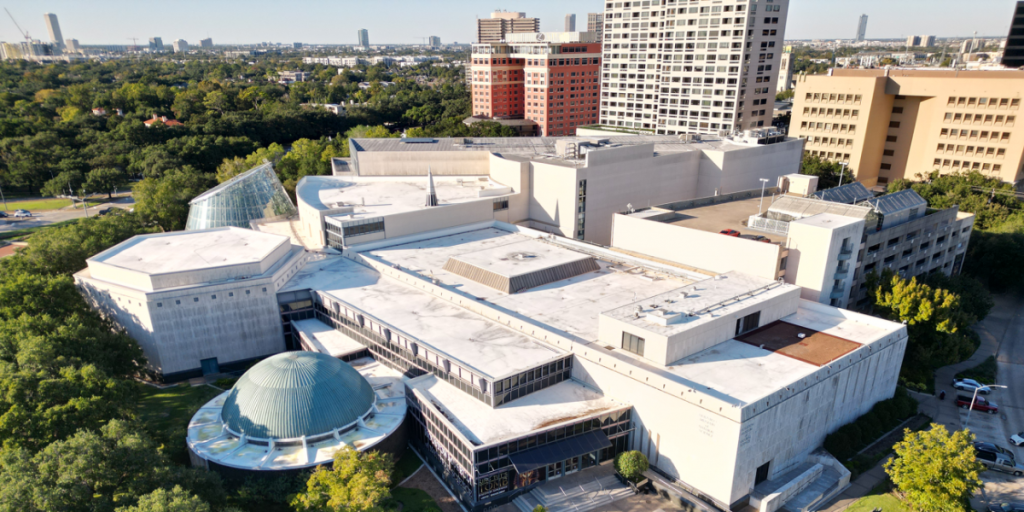
Nestled in the heart of Houston, Texas, the Museum of Natural Science stands as a beacon of knowledge, curiosity, and exploration. In this comprehensive article, we embark on a virtual journey through the halls of this illustrious institution, uncovering its rich history, diverse exhibits, and the pivotal role it plays in fostering a passion for science. Additionally, we’ll delve into frequently asked questions (FAQs) to provide insights for those curious about the wonders that await within the Museum of Natural Science.
I. Unveiling The Museum of Natural Science: A Glimpse into History
1. Inception and Evolution:
- Founding Visionaries: The museum, established in 1909, owes its existence to the visionaries dedicated to showcasing the wonders of natural science to the Houston community.
- Expansion and Renovation: Over the decades, the museum has undergone significant expansions and renovations, evolving into a world-class institution.
2. Architectural Marvels:
- Striking Design: The museum’s architectural design seamlessly blends modern aesthetics with functionality, creating an immersive and visually stunning experience for visitors.
- Interactive Spaces: Open, interactive spaces and state-of-the-art exhibits contribute to an engaging and educational environment.
II. Exploring the Exhibits: A Scientific Tapestry
1. Paleontology Wonderland:
- Dinosaur Hall: A highlight for visitors, the Dinosaur Hall features life-sized dinosaur replicas and interactive displays, offering a glimpse into the prehistoric world.
- Fossil Exhibits: Paleontology enthusiasts can explore a vast collection of fossils, each telling a unique story of Earth’s ancient inhabitants.
2. Cosmic Odyssey:
- Planetarium Shows: The museum’s planetarium hosts captivating shows that transport visitors to the farthest reaches of the cosmos, unraveling the mysteries of the universe.
- Astronomy Exhibits: Interactive displays on astronomy invite visitors to ponder the marvels of our solar system and beyond.
3. Biodiversity Bonanza:
- Butterfly Center: A tropical rainforest environment within the museum is home to a kaleidoscope of butterflies, allowing visitors to witness the beauty and diversity of these winged wonders.
- Ecosystem Exhibits: From rainforests to deserts, exhibits showcase diverse ecosystems, emphasizing the interconnectedness of life on Earth.
III. Educational Initiatives: Nurturing Curiosity
1. STEM Programs:
- Educational Outreach: The museum actively engages with schools, offering STEM-focused programs that inspire the next generation of scientists and innovators.
- Hands-on Workshops: Workshops and interactive sessions provide students with a hands-on approach to learning scientific concepts.
2. Public Lectures and Events:
- Renowned Speakers: The Museum of Natural Science frequently hosts public lectures featuring esteemed scientists, offering insights into cutting-edge research and discoveries.
- Special Events: Science-themed events and exhibitions create a vibrant atmosphere, attracting visitors of all ages.
IV. FAQs: Navigating the Museum of Natural Science
Q1: What are the museum’s operating hours?
A1: The museum’s operating hours may vary, but generally, it is open to the public throughout the week. It is advisable to check the official website for the most up-to-date information on operating hours.
Q2: Is there an admission fee, and are there discounts available?
A2: While there is usually an admission fee, the museum often offers discounts for students, seniors, and members. Additionally, certain days may have free or reduced admission.
Q3: Are there guided tours available for visitors?
A3: Yes, the museum often provides guided tours led by knowledgeable docents. These tours offer in-depth insights into specific exhibits and themes.
Q4: Can visitors take photographs inside the museum?
A4: Photography policies may vary, but many museums allow visitors to take non-flash photographs for personal use. However, it’s essential to respect any restrictions in special exhibits.
Q5: Are there educational programs specifically for children?
A5: Yes, the museum offers a range of educational programs tailored for children, including interactive exhibits, workshops, and camps designed to make learning both fun and informative.
Q6: How can one support the museum’s initiatives?
A6: Visitors can support the museum by becoming members, making donations, or volunteering. These contributions play a crucial role in sustaining educational programs and maintaining exhibits.
Conclusion: The Museum of Natural Science
The Museum of Natural Science in Houston, Texas, stands as a testament to the marvels of the natural world and the boundless possibilities of scientific exploration. From the awe-inspiring exhibits to the educational initiatives nurturing young minds, the museum serves as a hub for curiosity and discovery. As visitors traverse its halls, they embark on a scientific odyssey, unraveling the mysteries of paleontology, astronomy, and biodiversity. The Museum of Natural Science not only enriches the Houston community but also inspires a lifelong love for science in all who have the privilege of exploring its captivating wonders.
Related link: Associate Degree in Natural Science


