







Unveiling the Potential: Bachelor in Health Science
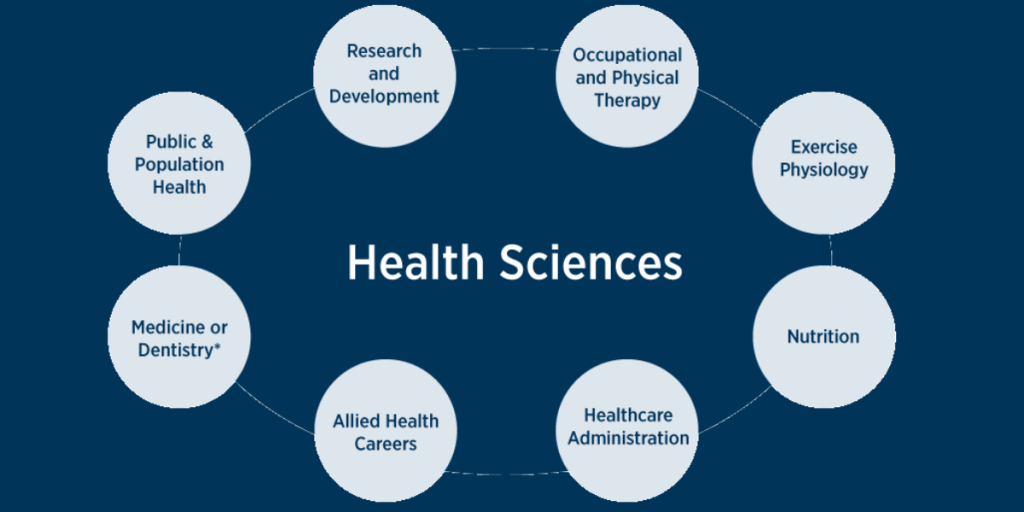
Introduction:
The pursuit of a Bachelor in Health Science represents a transformative journey into the multidisciplinary realm of healthcare. This article unravels the intricacies of a Bachelor in Health Science program, exploring its diverse curriculum, career pathways, and the pivotal role it plays in shaping the healthcare landscape. Frequently asked questions will guide us through common queries, offering comprehensive insights into the dynamic field of Health Science.
I. Navigating the Health Science Landscape
1. Defining Health Science:
- Multidisciplinary Approach: Health Science encompasses a broad spectrum of disciplines, including biology, chemistry, nutrition, public health, and healthcare management.
- Holistic Perspective: The program adopts a holistic perspective, addressing health from biological, social, and environmental angles.
2. Curriculum Overview:
- Core Sciences: Fundamental courses cover anatomy, physiology, microbiology, and biochemistry, laying the groundwork for a solid understanding of the human body.
- Specializations: Health Science programs often offer specializations such as healthcare administration, community health, or clinical sciences, allowing students to tailor their education to specific interests.
II. Career Pathways in Health Science
1. Clinical Careers:
- Medical Laboratory Technologist: Graduates can pursue roles in medical laboratories, conducting tests and analyses crucial for medical diagnoses.
- Diagnostic Medical Sonographer: Specializing in imaging technology, professionals in this field use ultrasound to visualize internal body structures.
2. Public Health Roles:
- Health Educator: Health Science graduates can work as educators, promoting health awareness and preventive measures in communities.
- Epidemiologist: Exploring patterns and causes of diseases, epidemiologists play a vital role in public health research and policy.
3. Healthcare Management:
- Health Services Manager: Graduates can enter healthcare management, overseeing the operations of healthcare facilities and ensuring quality patient care.
- Health Informatics Specialist: With the rise of digital healthcare, specialists in health informatics manage and analyze health data for improved patient outcomes.
III. Real-world Applications and Internships
1. Hands-on Experience:
- Clinical Placements: Many programs include clinical placements, allowing students to apply theoretical knowledge in real healthcare settings.
- Research Opportunities: Health Science students often engage in research projects, contributing to advancements in healthcare knowledge.
2. Internships and Networking:
- Industry Connections: Internships provide valuable exposure to the healthcare industry, fostering professional connections and enhancing job prospects.
- Skill Development: Internship experiences contribute to skill development, ensuring graduates are well-equipped for the demands of the healthcare workforce.
IV. FAQs: Navigating Common Questions about a Bachelor in Health Science
Q1: What distinguishes a Bachelor in Health Science from other healthcare-related degrees?
A1: A Bachelor in Health Science offers a broader, multidisciplinary curriculum that covers various aspects of healthcare, including clinical sciences, public health, and healthcare management.
Q2: Can I specialize in a specific area within Health Science?
A2: Yes, many programs offer specializations, allowing students to focus on areas such as healthcare administration, community health, or clinical sciences based on their interests.
Q3: What career paths can I pursue with a Bachelor in Health Science?
A3: Graduates can pursue diverse careers, including roles in clinical laboratories, public health, healthcare administration, and health informatics.
Q4: Are internships mandatory in Health Science programs?
A4: While requirements vary, many Health Science programs include internships or clinical placements to provide students with hands-on experience and exposure to the healthcare industry.
Q5: How does Health Science contribute to public health initiatives?
A5: Health Science professionals contribute to public health through roles such as health educators, epidemiologists, and community health advocates, addressing health issues on a broader scale.
Q6: Can a Bachelor in Health Science lead to further education, such as medical school?
A6: Yes, a Bachelor in Health Science can serve as a stepping stone to further education, including medical school, graduate studies in public health, or other healthcare-related fields.
Conclusion:
Embarking on a Bachelor in Health Science journey opens doors to a diverse and dynamic field that transcends traditional healthcare boundaries. As we navigate through the frequently asked questions, it becomes evident that this program equips students with a well-rounded understanding of health, preparing them for impactful careers in clinical, public health, or healthcare management domains. With a focus on real-world applications, internships, and specializations, a Bachelor in Health Science lays the foundation for graduates to make meaningful contributions to the evolving landscape of healthcare.
Related link: Bachelor of Science in Public Health


