







Blockchain: Transforming Trust in the Digital Age 2024

Introduction:
In the landscape of digital innovation, Blockchain has emerged as a revolutionary technology, fundamentally changing the way transactions, data, and trust are managed in various industries. Initially known as the underlying technology for cryptocurrencies like Bitcoin, Blockchain has evolved into a robust and decentralized system with applications reaching far beyond digital currencies. This article delves into the core principles of Blockchain, its diverse applications across industries, the underlying technology, challenges, and the potential it holds for shaping the future of secure and transparent digital interactions.
I. Understanding Blockchain:
1. Definition of Blockchain:
Blockchain is a distributed ledger technology that enables secure, transparent, and decentralized recording of transactions across a network of computers. It consists of a chain of blocks, each containing a list of transactions, linked together using cryptographic hashes, creating an immutable and tamper-proof record.
2. Key Components of Blockchain:
- Decentralization: Blockchain operates on a decentralized network, eliminating the need for a central authority or intermediary. Transactions are verified by consensus among participants.
- Cryptography: Cryptographic techniques secure the integrity of transactions, ensuring that once added to the blockchain, data cannot be altered.
- Smart Contracts: Smart contracts are self-executing contracts with predefined rules and conditions. They automate and enforce the terms of an agreement without the need for intermediaries.
II. How Blockchain Works:
1. Block Structure:
- Transaction Data: Each block contains a list of transactions, representing digital interactions such as asset transfers, agreements, or data exchanges.
- Hash: A cryptographic hash, generated using the transaction data and the hash of the previous block, uniquely identifies each block.
- Timestamp: The timestamp indicates when the block was added to the blockchain, creating a chronological record.
2. Decentralized Consensus:
- Consensus Mechanisms: Blockchain networks use consensus mechanisms like Proof of Work (PoW) or Proof of Stake (PoS) to validate and agree on the state of the blockchain. Consensus ensures that all nodes in the network have a consistent view of the ledger.
- Mining (PoW): In PoW, participants (miners) solve complex mathematical problems to validate transactions and add new blocks to the chain.
3. Immutability:
- Cryptographic Hashing: Each block’s hash includes the hash of the previous block, creating a continuous chain. If a single block is tampered with, it alters the hash of that block and all subsequent blocks, making it evident.
4. Smart Contracts:
- Self-Executing Code: Smart contracts are programmable code stored on the blockchain that automatically executes when predefined conditions are met. They enable trustless and transparent execution of agreements.
III. Applications of Blockchain:
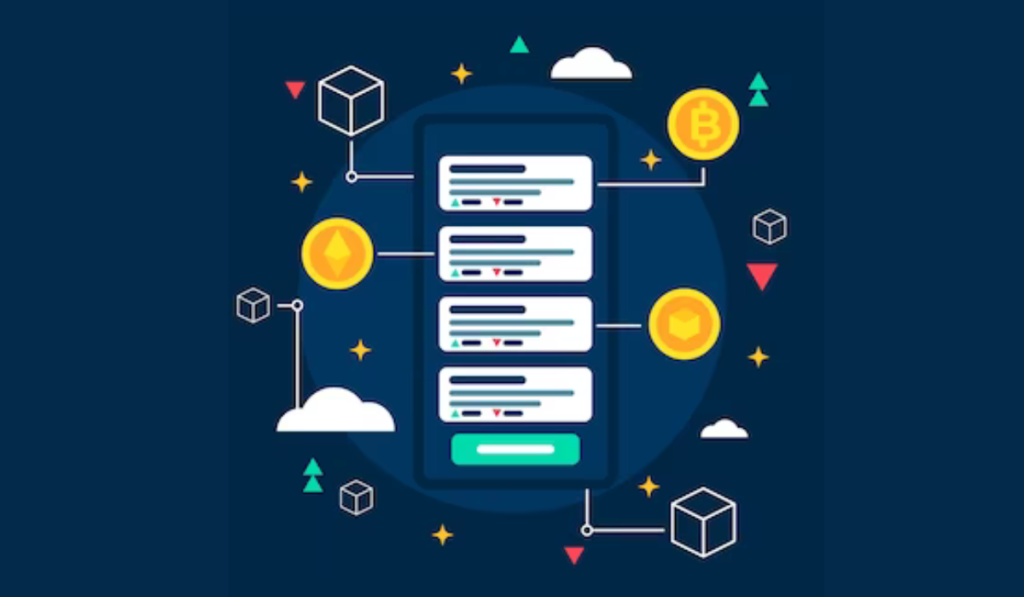
1. Cryptocurrencies:
- Bitcoin: The first and most well-known application of Blockchain, Bitcoin uses a decentralized ledger to facilitate secure and transparent peer-to-peer transactions without the need for intermediaries.
2. Finance and Banking:
- Cross-Border Payments: Blockchain facilitates faster and more cost-effective cross-border payments by eliminating intermediaries and reducing settlement times.
- Smart Contracts in Banking: Smart contracts automate and enforce agreements in financial transactions, reducing the risk of fraud and improving efficiency.
3. Supply Chain Management:
- Traceability: Blockchain enables end-to-end traceability in supply chains, allowing participants to track the origin, production, and distribution of products. This enhances transparency and reduces fraud.
4. Healthcare:
- Patient Records: Blockchain secures and streamlines the management of patient records, providing a secure and interoperable platform for storing and sharing healthcare data.
- Drug Traceability: Blockchain ensures the authenticity of pharmaceuticals by tracking the entire supply chain, preventing counterfeit drugs from entering the market.
5. Identity Management:
- Digital Identity: Blockchain can be used for secure and verifiable digital identity management, reducing the risk of identity theft and improving user privacy.
- Authentication: Decentralized identity systems allow individuals to control and share their personal information securely.
6. Real Estate:
- Property Transactions: Blockchain simplifies and accelerates real estate transactions by providing a secure and transparent platform for transferring property ownership. Smart contracts automate the execution of contracts.
7. Voting Systems:
- Transparent Elections: Blockchain-based voting systems enhance the transparency and integrity of elections by providing a tamper-proof record of votes. This reduces the risk of fraud and improves trust in the electoral process.
8. Intellectual Property:
- Digital Rights Management: Blockchain protects intellectual property rights by providing an immutable ledger for recording ownership and usage rights. This is particularly relevant in the digital media and entertainment industries.
IV. Technologies Powering Blockchain:
1. Distributed Ledger Technology (DLT):
- Peer-to-Peer Network: Blockchain operates on a peer-to-peer network of nodes, ensuring decentralization and redundancy.
- Consensus Algorithms: Consensus mechanisms, such as PoW or PoS, enable nodes to agree on the state of the blockchain.
2. Cryptography:
- Hash Functions: Cryptographic hash functions secure the integrity of blocks by generating a unique hash for each block based on its content.
- Digital Signatures: Digital signatures authenticate transactions, ensuring that only authorized parties can initiate and approve transactions.
3. Smart Contract Platforms:
- Ethereum: Ethereum is a blockchain platform that introduced smart contracts, allowing developers to build decentralized applications (DApps) on its network.
- Binance Smart Chain: Binance Smart Chain is another blockchain platform that supports smart contracts and aims to provide fast and low-cost transactions.
4. Interoperability:
- Interoperable Blockchains: Efforts are underway to enhance interoperability between different blockchain networks, enabling seamless communication and data exchange.
V. Challenges and Future Trends:
1. Challenges in Blockchain Adoption:
- Scalability: Some blockchain networks face scalability challenges, limiting the number of transactions they can process per second.
- Regulatory Uncertainty: The regulatory landscape for blockchain and cryptocurrencies is evolving, presenting challenges for widespread adoption.
2. Future Trends in Blockchain:
- Integration with Traditional Systems: Increased integration of blockchain with existing systems and processes across industries is expected.
- Tokenization of Assets: The tokenization of real-world assets, from real estate to art, is likely to increase, allowing for more efficient and accessible investment.
VI. Ethical Considerations in Blockchain:
1. Privacy and Data Security:
- Permissioned vs. Permissionless Blockchains: The choice between permissioned and permissionless blockchains involves considerations of privacy, data control, and access permissions.
2. Environmental Impact:
- Energy Consumption (PoW): Proof of Work (PoW) consensus mechanisms, as seen in Bitcoin, can have a significant environmental impact due to the energy-intensive mining process.
3. Legal and Regulatory Compliance:
- Smart Contract Audits: Ensuring the security and legality of smart contracts is crucial, as they are self-executing and irreversible.
4. Financial Inclusion:
- Access to Technology: While blockchain has the potential to enhance financial inclusion, ensuring equal access to blockchain technology is an ethical consideration.
VII. Frequently Asked Questions (FAQs):
Q1: What is a blockchain?
A1: A blockchain is a distributed ledger technology that enables secure, transparent, and decentralized recording of transactions across a network of computers. It consists of a chain of blocks, each containing a list of transactions, linked together using cryptographic hashes.
Q2: How does blockchain ensure security?
A2: Blockchain ensures security through cryptographic hashing, decentralization, and consensus mechanisms. Cryptographic hashes secure the integrity of data, decentralization eliminates the need for a central authority, and consensus mechanisms validate transactions.
Q3: What are smart contracts?
A3: Smart contracts are self-executing contracts with predefined rules and conditions. They automate and enforce the terms of an agreement without the need for intermediaries, providing trustless and transparent execution.
Q4: Can blockchain be used for applications other than cryptocurrencies?
A4: Yes, blockchain has diverse applications beyond cryptocurrencies. It is used in finance, supply chain management, healthcare, identity management, real estate, voting systems, and more.
Q5: How does blockchain impact data privacy?
A5: Blockchain’s impact on data privacy depends on whether it is permissioned or permissionless. Permissioned blockchains provide more control over data access, while permissionless blockchains offer transparency but with less control.
Q6: What is the future of blockchain technology?
A6: The future of blockchain includes increased integration with traditional systems, advancements in scalability, and the tokenization of real-world assets. Blockchain is expected to play a significant role in reshaping various industries.
Q7: What is the environmental impact of blockchain?
A7: The environmental impact of blockchain, particularly in Proof of Work (PoW) consensus mechanisms like Bitcoin, is a concern due to the energy-intensive mining process. Efforts are being made to explore more energy-efficient consensus mechanisms.
Q8: How does blockchain enhance trust in transactions?
A8: Blockchain enhances trust by providing a decentralized and tamper-proof ledger. The consensus mechanism ensures that all participants agree on the state of the ledger, and cryptographic hashing secures the integrity of transactions.
Conclusion:
Blockchain has emerged as a transformative force with the potential to revolutionize how we conduct transactions, manage data, and establish trust in the digital age. From cryptocurrencies to supply chain management and beyond, the applications of blockchain continue to expand. As the technology matures, addressing challenges related to scalability, regulatory uncertainty, and environmental impact will be crucial for widespread adoption. Ethical considerations surrounding privacy, data security, and financial inclusion must guide the development and implementation of blockchain solutions. The future of blockchain holds the promise of a more secure, transparent, and decentralized digital landscape, reshaping the foundations of trust in our interconnected world.
Related link: Master of Science in Information Technology


