







Neuroscience: Unraveling the Mysteries of the Brain and Mind 2024
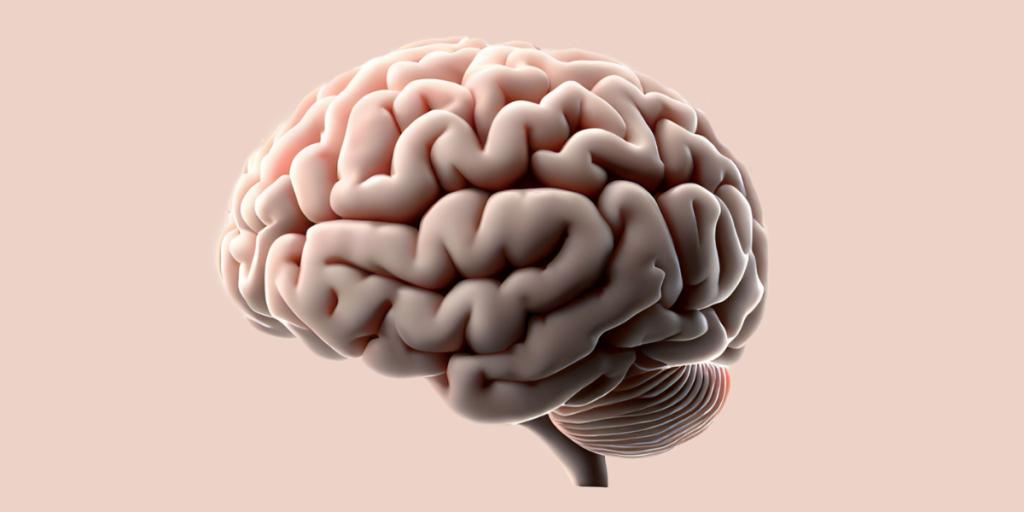
Introduction:
Neuroscience, the scientific study of the nervous system, has become a frontier of exploration, revealing the intricacies of the brain and unlocking the secrets of human cognition, behavior, and consciousness. This multidisciplinary field combines biology, psychology, physics, and computer science to understand the structure and function of the nervous system, providing profound insights into the complexities of the human mind. This comprehensive exploration delves into the foundations of neuroscience, its key discoveries, the technologies driving progress, and the profound implications for our understanding of ourselves.
I. Foundations of Neuroscience:
1. Nervous System Anatomy:
The nervous system is a complex network of cells that transmit signals between different parts of the body. It consists of the central nervous system (CNS), which includes the brain and spinal cord, and the peripheral nervous system (PNS), comprising nerves and ganglia outside the CNS.
2. Neurons and Synapses:
Neurons are the fundamental building blocks of the nervous system. These specialized cells transmit electrical and chemical signals through structures called synapses. Synapses allow communication between neurons and play a crucial role in information processing.
3. Neurotransmitters:
Neurotransmitters are chemical messengers that transmit signals across synapses. They bind to receptors on the surface of neurons, influencing the electrical activity of the receiving neuron. Imbalances in neurotransmitters are implicated in various neurological and psychiatric disorders.
4. Brain Regions and Functions:
The brain is divided into different regions, each responsible for specific functions. Key areas include the frontal lobe (cognition and decision-making), temporal lobe (memory and auditory processing), parietal lobe (sensory processing), and occipital lobe (visual processing).
II. Key Discoveries in Neuroscience:
1. Neuronal Plasticity:
The concept of neuronal plasticity, or the brain’s ability to reorganize and adapt, has reshaped our understanding of learning and memory. It involves structural and functional changes in neurons in response to experiences and environmental stimuli.
2. Action Potential:
The discovery of the action potential, an electrical impulse that travels along the membrane of a neuron, revolutionized our understanding of how neurons transmit signals. This process is fundamental to communication within the nervous system.
3. Mapping the Brain:
Advancements in brain imaging technologies, such as functional magnetic resonance imaging (fMRI) and positron emission tomography (PET), enable non-invasive mapping of brain activity. These techniques have provided insights into brain regions associated with specific functions.
4. Neurotransmitter Systems:
Identification and understanding of various neurotransmitter systems, including dopamine, serotonin, and acetylcholine, have led to insights into mood regulation, reward systems, and cognitive function. Dysregulation of these systems is implicated in disorders like depression and schizophrenia.
III. Technologies Driving Progress in Neuroscience:
1. Functional Magnetic Resonance Imaging (fMRI):
fMRI measures changes in blood flow and oxygenation in the brain, allowing researchers to observe brain activity in real-time. This technology is widely used to study cognitive processes, emotions, and neurological disorders.
2. Electroencephalography (EEG):
EEG records the electrical activity of the brain through electrodes placed on the scalp. It is valuable for studying brain waves and diagnosing conditions such as epilepsy. Advanced techniques, like event-related potentials (ERPs), provide insights into cognitive processes.
3. Optogenetics:
Optogenetics involves using light to control the activity of genetically modified neurons. This technique allows researchers to manipulate neural circuits with precision, offering insights into the causal relationships between brain activity and behavior.
4. CRISPR-Cas9:
The revolutionary CRISPR-Cas9 gene-editing technology has applications in neuroscience for studying the role of specific genes in brain function. It enables targeted modifications of the genome, facilitating the investigation of genetic contributions to neurological disorders.
IV. Applications of Neuroscience:
1. Neurological Disorders:
Neuroscience contributes to the understanding and treatment of neurological disorders, including Alzheimer’s disease, Parkinson’s disease, epilepsy, and multiple sclerosis. Research aims to uncover the underlying causes and develop targeted therapies.
2. Mental Health:
Advancements in neuroscience inform the study of mental health disorders such as depression, anxiety, and schizophrenia. Neuroimaging techniques help identify neural correlates of these conditions, guiding therapeutic interventions.
3. Cognitive Enhancement:
Research in neuroscience explores methods to enhance cognitive functions, including memory, attention, and decision-making. This has implications for developing interventions to improve cognitive abilities in both healthy individuals and those with cognitive deficits.
4. Brain-Computer Interfaces (BCIs):
BCIs establish direct communication between the brain and external devices. These interfaces hold promise for assisting individuals with paralysis, enabling them to control prosthetic limbs or interact with computers through neural signals.
V. Ethical Considerations in Neuroscience:
1. Neuroethics:
The intersection of neuroscience and ethics, known as neuroethics, addresses ethical dilemmas arising from advancements in neuroscience. This includes concerns related to cognitive enhancement, brain-computer interfaces, and the privacy of neural data.
2. Informed Consent in Neuroimaging:
Researchers using neuroimaging technologies must navigate ethical considerations related to informed consent and the privacy of participants. Ensuring that individuals understand the implications of participating in neuroscience research is crucial.
3. Brain-Computer Interface Privacy:
The development of BCIs raises concerns about the privacy and security of neural data. Safeguarding this sensitive information is essential to prevent unauthorized access and potential misuse.
4. Ethical Use of Neurotechnologies:
As neurotechnologies advance, ethical guidelines must be established to ensure responsible use. This includes considerations for the use of neuroenhancement techniques and the potential societal implications of manipulating cognitive functions.
VI. Frequently Asked Questions (FAQs):
Q1: What is the goal of neuroscience?
A1: The goal of neuroscience
is to understand the structure and function of the nervous system, unravel the mysteries of the brain, and gain insights into cognition, behavior, and consciousness.
Q2: How does neuroscience contribute to medical research?
A2: Neuroscience contributes to medical research by providing insights into neurological and psychiatric disorders, guiding the development of treatments, and advancing our understanding of brain-related conditions.
Q3: What is the importance of studying neuronal plasticity?
A3: Neuronal plasticity is crucial as it underlies the brain’s ability to adapt to experiences and learn. Understanding plasticity helps explain learning and memory processes and has implications for developing interventions in neurological rehabilitation.
Q4: How do neuroimaging technologies work?
A4: Neuroimaging technologies, such as fMRI and EEG, work by measuring brain activity. fMRI detects changes in blood flow, while EEG records electrical activity. These techniques provide valuable insights into brain function and connectivity.
Q5: Can neuroscience help in treating mental health disorders?
A5: Yes, neuroscience contributes to the understanding and treatment of mental health disorders. Research in this field helps identify neural correlates of conditions like depression and anxiety, guiding the development of therapeutic interventions.
Q6: What are the ethical considerations in neuroscience research?
A6: Ethical considerations in neuroscience research include informed consent, privacy issues in neuroimaging, responsible use of neurotechnologies, and addressing potential societal implications of cognitive enhancement.
Q7: How does optogenetics contribute to neuroscience research?
A7: Optogenetics allows researchers to control the activity of specific neurons using light. This technique is valuable for studying neural circuits, understanding causal relationships between brain activity and behavior, and exploring potential therapeutic applications.
Q8: What is the future of neuroscience research?
A8: The future of neuroscience research holds exciting possibilities, including advancements in understanding brain connectivity, developing targeted therapies for neurological disorders, and exploring the ethical implications of emerging technologies.
Conclusion:
Neuroscience stands as a captivating and dynamic field that continuously unravels the mysteries of the brain, providing profound insights into the essence of human experience. From the intricacies of neural circuits to the applications in medicine, mental health, and technology, neuroscience plays a pivotal role in shaping our understanding of ourselves. As advancements in technology and ethical considerations guide the trajectory of neuroscience research, the potential for transformative discoveries remains high. The journey to comprehend the complexities of the brain and mind is ongoing, promising a future where neuroscience continues to enlighten and inspire our exploration of the most intricate organ in the human body.
Related link: Humanities and Social Sciences


