







Centrifugation: The Physics and Applications of Centrifugation 2024
Introduction:
In the realm of physics and laboratory sciences, the centrifugation stands as a workhorse, employing the principles of centrifugal force to separate and analyze materials. This versatile instrument has become an indispensable tool in various fields, from molecular biology to chemistry and material science. In this comprehensive guide, we will explore the physics behind centrifugation, the different types of centrifuges, and the diverse applications that make it an essential asset in scientific research.
I. Understanding Centrifugation:
1. Principles of Centrifugation:
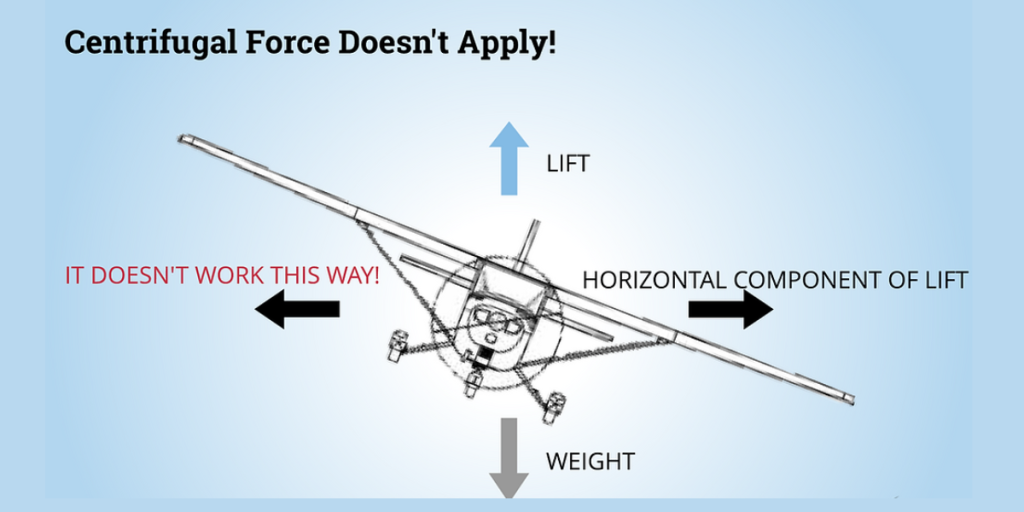
- Centrifugal Force: When a sample is rotated at high speeds, centrifugal force pushes particles away from the axis of rotation, causing sedimentation.
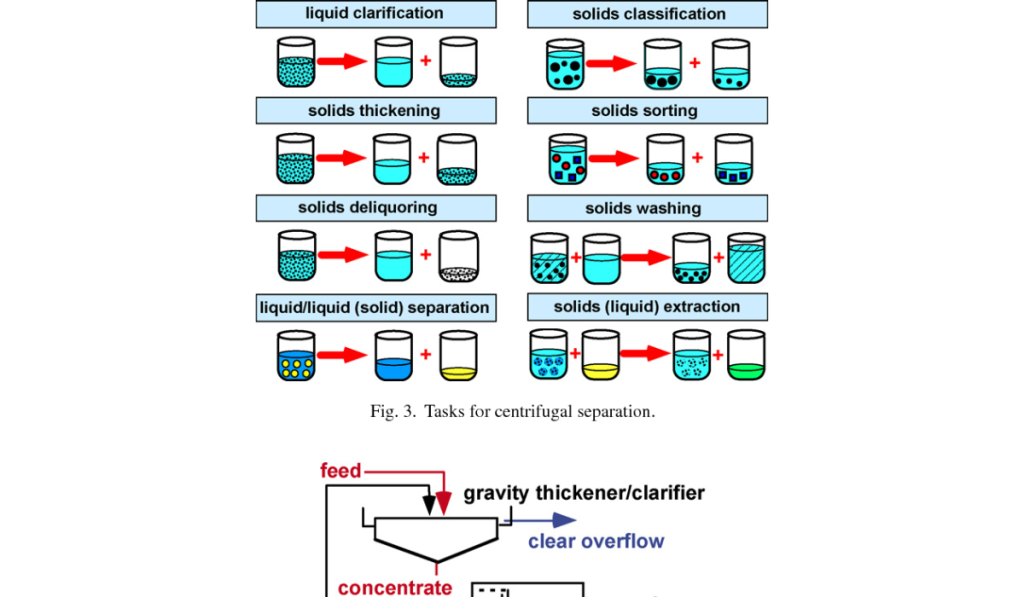
- Density Gradient Separation: Different particles within a sample sediment at varying rates, facilitating the separation of components based on density.
2. Components of a Centrifuge:
- Rotor: The spinning component that holds the sample tubes or containers.
- Motor: Drives the rotation of the rotor at high speeds.
- Control System: Regulates speed, duration, and acceleration of the centrifuge.
3. Types of Centrifuges:
- Ultracentrifuge: Operates at very high speeds, often used for isolating particles like organelles and studying macromolecules.
- Refrigerated Centrifuge: Maintains a low temperature during centrifugation, crucial for preserving delicate samples.
- Microcentrifuge: Small-sized centrifuge for quick spins, commonly used in molecular biology applications.
II. Applications of Centrifugation in Physics:
1. Separation of Biological Materials:
- Cell Fractionation: Centrifugation is employed to separate cellular components like organelles and cell membranes.
- Blood Fractionation: Used in clinical settings to separate blood components like plasma, red blood cells, and platelets.
2. DNA and RNA Purification:
- Nucleic Acid Extraction: Centrifugation aids in isolating DNA and RNA from biological samples, contributing to molecular biology research.
- PCR Cleanup: Removing impurities from polymerase chain reaction (PCR) products for downstream applications.
3. Protein Purification:
- Density Gradient Ultracentrifugation: Separates proteins based on their buoyant density, facilitating the purification of specific protein fractions.
- Protein Crystallization: Centrifugation is used to separate and concentrate protein crystals for X-ray crystallography.
4. Material Science:
- Particle Size Analysis: Centrifugation helps determine the size distribution of particles in colloidal systems.
- Density Gradient Centrifugation: Used for studying the sedimentation behavior of nanoparticles and colloids.
III. Physics of Centrifugation:
1. Centrifugal Force Equation:
- [ F_c = m \cdot r \cdot \omega^2 ]
- ( F_c ): Centrifugal force
- ( m ): Mass of the particle
- ( r ): Distance from the axis of rotation
- ( \omega ): Angular velocity
2. Sedimentation Rate Equation:
- [ v = \frac{{2 \cdot r^2 \cdot \omega^2 \cdot (\rho_p – \rho_f)}}{{9 \cdot \eta}} ]
- ( v ): Sedimentation rate
- ( r ): Distance from the axis of rotation
- ( \omega ): Angular velocity
- ( \rho_p ): Density of the particle
- ( \rho_f ): Density of the fluid
- ( \eta ): Viscosity of the fluid
3. Rotor Design and Speed Considerations:
- Angular Velocity: Higher speeds result in increased centrifugal forces and faster sedimentation rates.
- Rotor Shape: The design of the rotor affects the distribution of centrifugal forces, influencing separation efficiency.
IV. Advances in Centrifuge Technology:
1. High-Speed Centrifugation:
- Improved Rotors: Modern centrifuges feature advanced rotor designs for better sample handling and separation.
- Variable Speed Settings: Centrifuges offer a range of speed options for diverse applications.
2. Refrigeration Systems:
- Precise Temperature Control: Refrigerated centrifuges maintain low temperatures, crucial for preserving sample integrity.
- Cryogenic Centrifugation: Extremely low-temperature centrifugation for specialized applications.
3. Automation and Connectivity:
- Programmable Features: Centrifuges with programmable settings for automation and reproducibility.
- Data Integration: Connectivity options for data transfer and integration with laboratory information management systems (LIMS).
V. Challenges and Considerations in Centrifugation:
1. Sample Integrity:
- Shear Forces: High-speed centrifugation can generate shear forces, potentially affecting the integrity of delicate samples.
- Temperature Sensitivity: Some samples are sensitive to temperature changes during centrifugation.
2. Rotor Imbalance:
- Rotor Design Flaws: Poorly designed rotors can lead to imbalance issues, impacting the performance and safety of the centrifuge.
- Regular Maintenance: Ensuring proper maintenance to address wear and tear on rotors and other components.
VI. Frequently Asked Questions (FAQs) about Centrifugation:
Q1: How does centrifugation contribute to DNA extraction?
A1: Centrifugation is crucial in DNA extraction by separating DNA from other cellular components. It facilitates the isolation of DNA by creating a density gradient, allowing the DNA to migrate to a specific layer for collection.
Q2: Can centrifugation be used for purifying proteins?
A2: Yes, centrifugation is widely used in protein purification. Techniques like density gradient ultracentrifugation help separate proteins based on buoyant density, enabling the isolation of specific protein fractions.
Q3: What is the significance of refrigerated centrifuges?
A
3: Refrigerated centrifuges are essential for preserving the integrity of temperature-sensitive samples during centrifugation. They maintain a low temperature, preventing degradation and ensuring the stability of biological materials.
Q4: How does centrifugation contribute to the study of colloidal systems?
A4: Centrifugation is employed in material science to analyze colloidal systems. By determining the sedimentation behavior of particles, scientists can study particle size distribution and properties of colloidal suspensions.
Q5: Can centrifugation be automated for increased efficiency?
A5: Yes, modern centrifuges often come with programmable features for automation. Researchers can set specific parameters for speed, duration, and temperature, allowing for reproducible and efficient centrifugation processes.
Q6: What precautions should be taken to ensure safe centrifuge operation?
A6: Safety precautions include balancing the rotor, using appropriate rotor tubes, and following manufacturer guidelines. Regular maintenance, such as checking for rotor wear and tear, is essential for safe centrifuge operation.
Q7: How does centrifugation aid in blood fractionation?
A7: Centrifugation is used in blood fractionation to separate its components based on density. By spinning the blood sample, red blood cells, plasma, and platelets can be separated into distinct layers for further analysis or medical applications.
Q8: Can centrifugation be applied to separate nanoparticles?
A8: Yes, density gradient centrifugation can be employed to separate nanoparticles based on their sedimentation rates. This technique is valuable in studying the properties and behavior of nanoparticles in various applications.
Conclusion:
The centrifuge, a cornerstone in scientific laboratories worldwide, continues to be a driving force in advancing research across diverse fields. From unraveling the secrets of DNA to exploring the intricacies of colloidal systems, centrifugation remains an indispensable technique for separating and analyzing materials. As technology advances, the role of centrifugation expands, offering researchers new avenues for exploration and discovery. In the dynamic landscape of scientific inquiry, the centrifuge stands as a symbol of precision, efficiency, and the unwavering commitment to unlocking the mysteries of the microscopic world.
Related link: Oscilloscopes


