







Mass Spectrometry: Exploring the Wonders of Mass Spectrometry 2024
Introduction:
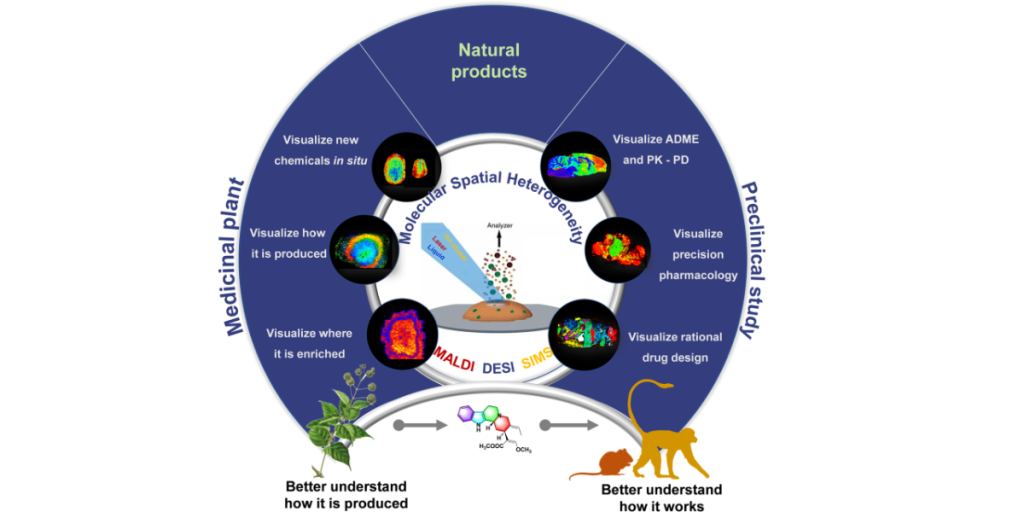
In the intricate tapestry of the natural world, Mass Spectrometry (MS) emerges as a powerful tool, capable of unraveling the mysteries of molecular structures and compositions. From the analysis of organic compounds in plants to the identification of biomarkers in environmental samples, mass spectrometry plays a pivotal role in understanding the intricate chemistry that underlies the beauty and complexity of nature. In this comprehensive guide, we will delve into the principles of mass spectrometry, its applications in studying the natural world, and the profound impact it has on various scientific disciplines.
I. Understanding Mass Spectrometry:
1. Principles of Mass Spectrometry:
- Ionization: The process of converting molecules into ions by gaining or losing electrons.
- Mass-to-Charge Ratio (m/z): Mass spectrometers measure the mass-to-charge ratio of ions to determine their mass.
2. Components of a Mass Spectrometer:
- Ion Source: Converts sample molecules into ions.
- Mass Analyzer: Separates ions based on their mass-to-charge ratio.
- Detector: Measures the abundance of ions at specific mass-to-charge values.
3. Ionization Techniques:
- Electrospray Ionization (ESI): Generates ions from liquid samples, commonly used in bioanalytical applications.
- Matrix-Assisted Laser Desorption/Ionization (MALDI): A laser beam ionizes solid or liquid samples, often employed in biomolecule analysis.
II. Applications of Mass Spectrometry in Nature:
1. Natural Products Chemistry:
- Identification of Secondary Metabolites: Mass spectrometry aids in identifying and characterizing secondary metabolites in plants, fungi, and marine organisms.
- Structural Elucidation: Determining the molecular structures of complex natural compounds.
2. Environmental Monitoring:
- Analysis of Water and Soil Samples: Mass spectrometry identifies pollutants, pesticides, and contaminants in environmental samples.
- Air Quality Assessment: Monitoring volatile organic compounds (VOCs) and atmospheric pollutants.
3. Proteomics and Metabolomics:
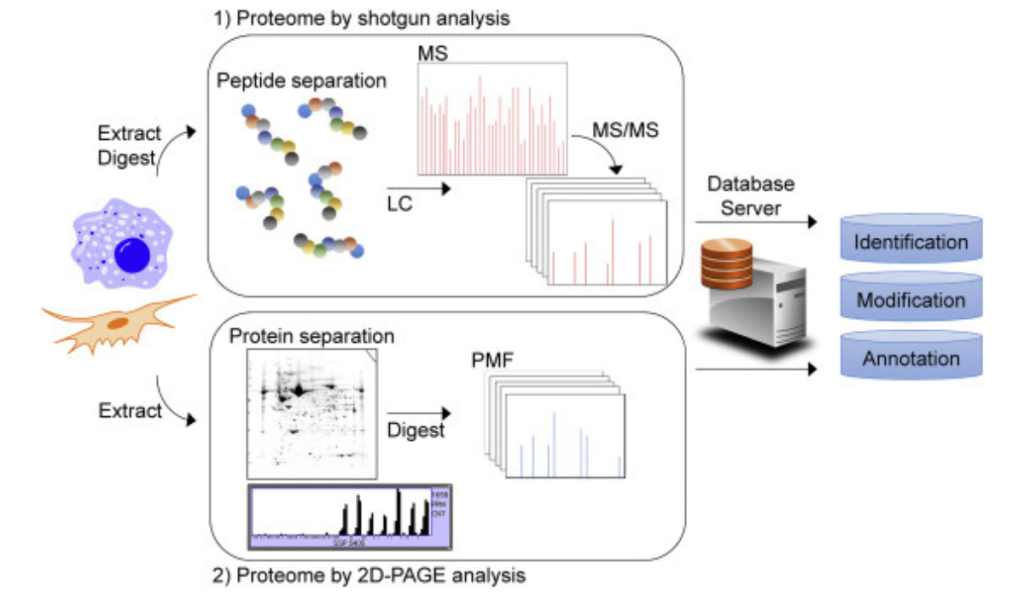
- Protein Identification: Mass spectrometry is integral to proteomic studies, identifying and quantifying proteins in biological samples.
- Metabolite Profiling: Analyzing small molecules in cells or tissues to understand metabolic processes.
4. Biodiversity Studies:
- Species Identification: Mass spectrometry contributes to DNA and protein analysis for species identification.
- Metabolic Fingerprints: Differentiating species based on their unique metabolic profiles.
III. Mass Spectrometry in the Study of Molecular Structures:
1. Natural Products and Phytochemicals:
- Alkaloids, Terpenoids, and Flavonoids: Mass spectrometry enables the identification of various classes of natural products.
- Isotopic Patterns: Isotopic peaks in mass spectra provide information about the elemental composition of molecules.
2. Protein Structure and Analysis:
- Peptide Mass Fingerprinting: Identifying proteins based on the unique mass patterns of their enzymatic fragments.
- Post-Translational Modifications: Mass spectrometry reveals modifications in protein structures.
3. Lipidomics:
- Lipid Profiling: Mass spectrometry characterizes the diversity of lipids in biological systems.
- Identification of Lipid Classes: Differentiating between various lipid classes based on mass spectra.
IV. Conservation and Environmental Impact Assessment:
1. Pollutant Detection:
- Persistent Organic Pollutants (POPs): Mass spectrometry detects and quantifies POPs in environmental samples.
- Heavy Metals Analysis: Identifying and quantifying heavy metal pollutants in soils and waters.
2. Bioindicator Studies:
- Metabolomic Responses in Organisms: Mass spectrometry assesses metabolic changes in organisms exposed to environmental stressors.
- Identification of Biomarkers: Discovering molecular indicators of environmental impact.
V. Advances in Mass Spectrometric Technologies:
1. High-Resolution Mass Spectrometry (HRMS):
- Enhanced Mass Accuracy: HRMS provides superior mass accuracy, resolving closely spaced peaks.
- Applications in Metabolomics: Facilitating comprehensive metabolomic studies.
2. Tandem Mass Spectrometry (MS/MS):
- Fragmentation Analysis: MS/MS enables the fragmentation of ions for detailed structural analysis.
- Protein Sequencing: Applied in proteomics for sequencing peptides and identifying post-translational modifications.
3. Ambient Ionization Techniques:
- Direct Sampling from Surfaces: Ambient ionization allows for direct analysis of samples without extensive preparation.
- Real-time Applications: Suitable for on-site analysis and rapid assessments in diverse environments.
VI. Challenges and Considerations in Mass Spectrometry:
1. Sample Complexity:
- Matrix Effects: Complex sample matrices can interfere with ionization and affect the accuracy of mass spectra.
- Sample Preparation: Adequate sample preparation is crucial to remove contaminants and ensure reliable results.
2. Quantification Accuracy:
- Calibration Standards: Establishing accurate calibration standards is essential for quantitative analysis.
- Isobaric Interferences: Resolving isobaric compounds is challenging and requires advanced techniques.
VII. Frequently Asked Questions (FAQs) about Mass Spectrometry in Nature:
Q1: How does mass spectrometry contribute to the analysis of natural products in plants?
A1: Mass spectrometry aids in the identification and characterization of natural products in plants by providing information about their molecular structures. It allows researchers to analyze complex mixtures and identify specific compounds present in plant extracts.
Q2: Can mass spectrometry be used for environmental monitoring?
A2: Yes, mass spectrometry is widely used in environmental monitoring to detect and quantify pollutants, contaminants, and chemicals in water, soil, and air samples. It plays a crucial role in assessing the impact of human activities on the environment.
Q3: What is the significance of mass spectrometry in proteomics?
A3: In proteomics, mass spectrometry is used to identify and quantify proteins in biological samples. It enables the analysis of protein structures, post-translational modifications, and interactions, contributing to our understanding of cellular processes.
Q4: How does mass spectrometry aid in species identification in biodiversity studies?
A4: Mass spectrometry contributes to species identification by analyzing DNA and protein samples. It provides unique molecular fingerprints that help differentiate between species and assess biodiversity.
Q5: What are the advancements in mass spectrometric technologies?
A5: Advances include high-resolution mass spectrometry (HRMS) for improved mass accuracy, tandem mass spectrometry (MS/MS) for detailed structural analysis
, and ambient ionization techniques for real-time, on-site applications.
Q6: What challenges are associated with mass spectrometry in the analysis of complex samples?
A6: Challenges include sample complexity, matrix effects, and the need for accurate quantification. Researchers must address issues related to sample preparation, calibration standards, and the resolution of isobaric compounds for reliable results.
Q7: How does mass spectrometry contribute to the assessment of environmental impact?
A7: Mass spectrometry aids in the detection and quantification of pollutants, allowing for the assessment of environmental impact. By analyzing biomarkers and metabolic responses in organisms, it provides insights into the effects of environmental stressors.
Q8: Can mass spectrometry be applied for real-time analysis in diverse environments?
A8: Yes, ambient ionization techniques in mass spectrometry enable direct sampling from surfaces and real-time analysis. These techniques are suitable for on-site assessments in diverse environments, providing rapid insights without extensive sample preparation.
Conclusion:
Mass spectrometry stands as a beacon in the realm of scientific exploration, illuminating the intricate molecular details that define nature’s wonders. From the depths of plant metabolomics to the assessment of environmental health, mass spectrometry has become an indispensable tool in the scientific arsenal. As technology continues to advance, the application of mass spectrometry in understanding the natural world evolves, promising even deeper insights into the chemical language that governs life on Earth. In the journey of scientific discovery, guided by the principles of mass spectrometry, we continue to unveil the secrets encoded in the molecules that shape the vibrant tapestry of our planet.
Related link: Molecular Biology


