







Sustainability: A Comprehensive Guide to Building a Greener Future 2024
Introduction:
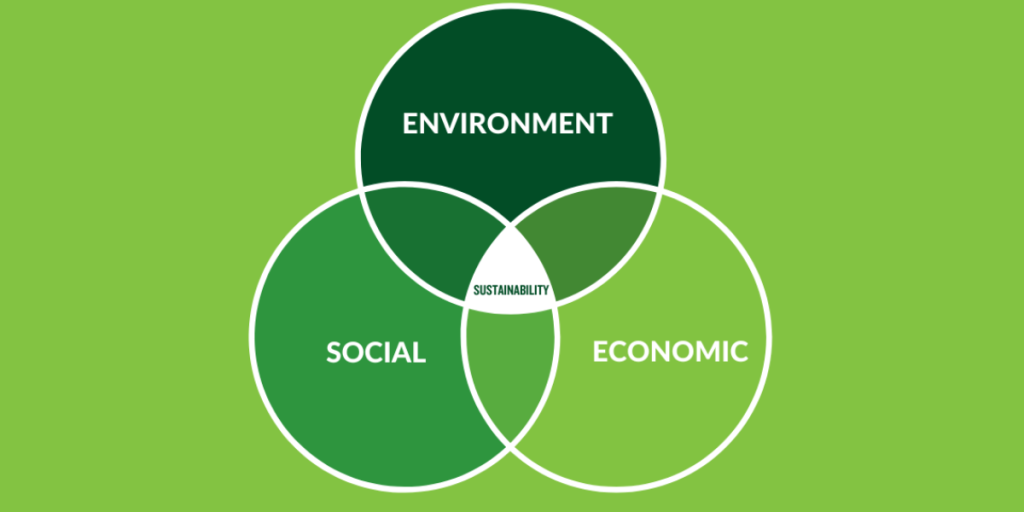
In an era marked by environmental challenges and a growing awareness of our collective impact on the planet, the concept of sustainability has emerged as a guiding principle for individuals, businesses, and nations alike. Sustainability, at its core, entails meeting the needs of the present without compromising the ability of future generations to meet their own needs. This comprehensive guide explores the multifaceted dimensions of sustainability, including its definition, key principles, global initiatives, and practical steps individuals and organizations can take to foster a more sustainable world.
I. Understanding Sustainability:
1. Definition of Sustainability:
At its essence, sustainability refers to the capacity to endure and thrive over time while maintaining ecological balance. It involves responsible resource management, social equity, and economic viability. Sustainability encompasses environmental, social, and economic dimensions, often referred to as the triple bottom line.
2. The Three Pillars of Sustainability:
- Environmental Sustainability: Focuses on reducing environmental impact, conserving resources, and promoting ecological balance.
- Social Sustainability: Emphasizes social equity, community well-being, and fair treatment of individuals and groups.
- Economic Sustainability: Ensures economic prosperity through responsible resource use, fair trade, and ethical business practices.
3. Key Principles of Sustainability:
- Interconnectedness: Recognizing the intricate connections between environmental, social, and economic factors.
- Long-Term Perspective: Considering the impact of decisions on future generations and the long-term health of the planet.
- Equity and Inclusivity: Ensuring that the benefits of sustainability are distributed fairly and that diverse voices are included in decision-making.
II. Global Sustainability Initiatives:
1. United Nations Sustainable Development Goals (SDGs):
The United Nations has outlined 17 Sustainable Development Goals, addressing issues such as poverty, hunger, clean water, climate action, and more. These goals provide a framework for global cooperation towards a sustainable future by 2030.
2. Paris Agreement:
The Paris Agreement, adopted in 2015, is a landmark international accord aiming to limit global warming to well below 2 degrees Celsius above pre-industrial levels. It encourages nations to commit to reducing greenhouse gas emissions and transition towards a low-carbon future.
3. Circular Economy:
The concept of a circular economy promotes minimizing waste and making the most of resources by reusing, recycling, and regenerating materials. It contrasts with the traditional linear economy model of “take, make, dispose.”
4. Corporate Social Responsibility (CSR):
Many businesses are embracing sustainability through CSR initiatives. These efforts include reducing carbon footprints, promoting fair labor practices, and investing in community development projects.
III. Practical Steps for Individuals:
1. Energy Efficiency:
- Use Renewable Energy: Consider transitioning to renewable energy sources such as solar or wind power for homes and businesses.
- Energy-Efficient Appliances: Choose appliances with high energy efficiency ratings to reduce electricity consumption.
2. Waste Reduction:
- Reduce, Reuse, Recycle: Adopt a lifestyle that prioritizes reducing waste, reusing items, and recycling materials to minimize environmental impact.
- Composting: Compost organic waste to create nutrient-rich soil and divert materials from landfills.
3. Sustainable Transportation:
- Public Transit and Carpooling: Opt for public transportation or carpooling to reduce individual carbon footprints.
- Electric Vehicles: Consider electric or hybrid vehicles to decrease reliance on fossil fuels.
4. Eco-Friendly Consumer Choices:
- Sustainable Products: Choose products with eco-friendly certifications, such as the Forest Stewardship Council (FSC) label for responsibly sourced wood.
- Local and Seasonal Foods: Support local farmers and choose seasonal foods to reduce the environmental impact of food transportation.
5. Water Conservation:
- Efficient Water Use: Install water-efficient appliances, fix leaks promptly, and practice mindful water use to conserve this precious resource.
- Rainwater Harvesting: Implement rainwater harvesting systems to collect and store rainwater for non-potable uses.
IV. Sustainability in Business:
1. Green Building Practices:
- LEED Certification: Adopt Leadership in Energy and Environmental Design (LEED) standards for construction projects to ensure environmentally friendly and energy-efficient buildings.
- Energy-Efficient Infrastructure: Invest in energy-efficient technologies and infrastructure to minimize resource consumption.
2. Supply Chain Sustainability:
- Ethical Sourcing: Ensure responsible and ethical sourcing of materials, considering the environmental and social impact of the entire supply chain.
- Reducing Waste: Implement strategies to minimize waste generation, such as optimizing production processes and embracing circular economy principles.
3. Employee Well-being:
- Workplace Diversity and Inclusion: Foster a diverse and inclusive workplace that values different perspectives and experiences.
- Employee Wellness Programs: Implement wellness programs to support employees’ physical and mental well-being.
4. Renewable Energy Adoption:
- Corporate Renewable Energy Targets: Set ambitious targets for sourcing energy from renewable sources to reduce reliance on non-renewable resources.
- Investment in Renewable Projects: Support and invest in renewable energy projects to contribute to the transition to a low-carbon economy.
V. Sustainability in Health:
1. Green Healthcare Practices:
- Energy-Efficient Hospitals: Implement energy-efficient technologies and practices in healthcare facilities to reduce carbon emissions.
- Sustainable Building Design: Design healthcare buildings with a focus on sustainability, incorporating green spaces and energy-efficient features.
2. Reducing Medical Waste:
- Reusable Instruments: Utilize reusable medical instruments to reduce the amount of single-use plastics and medical waste generated.
- Waste Segregation: Implement effective waste segregation practices to ensure proper disposal of medical waste.
3. Promoting Healthy Lifestyles:
- Preventive Healthcare: Emphasize preventive healthcare to reduce the environmental impact of disease treatment.
- Active Transportation: Encourage staff and patients to use active transportation methods, promoting both health and sustainability.
4. Sustainable Pharmaceuticals:
- Green Chemistry: Explore sustainable and environmentally friendly approaches in the development of pharmaceuticals using green chemistry principles.
- Reducing Pharmaceutical Pollution: Implement measures to reduce the release of pharmaceutical residues into water sources.
VI. Overcoming Challenges and Embracing a Sustainable Future:
1. Education and Awareness:
- Promoting Sustainability Education: Foster sustainability education at all levels to raise awareness and empower individuals to make informed choices.
- Corporate Training: Provide sustainability training to employees, encouraging a culture of responsibility within organizations.
2. Policy Advocacy:
- Supporting Sustainable Policies: Advocate for and support policies that promote sustainability at local, national, and global levels.
- Public-Private Partnerships: Encourage collaboration between governments, businesses, and civil society to address sustainability challenges.
3. Technological Innovation:
- Investing in Green Technologies: Support research and development in green technologies that enhance sustainability across various industries.
- Digital Solutions: Embrace digital solutions and innovations that contribute to environmental conservation and sustainable practices.
Sustainability FAQs:
Q1: What are the key challenges to achieving sustainability?
A1: Key challenges include overcoming inertia and resistance to change, addressing socio-economic disparities, and finding effective solutions to complex environmental issues. Global cooperation is essential to tackle challenges such as climate change and resource depletion.
Q2: How can individuals contribute to sustainability in their daily lives?
A2: Individuals can contribute by adopting sustainable practices such as reducing waste, conserving energy, choosing eco-friendly products, and supporting sustainable initiatives in their communities. Small actions collectively have a significant impact.
Q3: What role does sustainable agriculture play in overall sustainability?
A3: Sustainable agriculture focuses on practices that minimize environmental impact, promote soil health, and ensure fair treatment of agricultural workers. It is vital for food security, biodiversity conservation, and the overall health of ecosystems.
Q4: How can businesses integrate sustainability into their core strategies?
A4: Businesses can integrate sustainability by setting clear environmental and social goals, adopting green practices in their operations, engaging in ethical sourcing, and considering the triple bottom line in decision-making.
Q5: What is the significance of the circular economy in sustainability?
A5: The circular economy emphasizes reducing waste by reusing, recycling, and regenerating materials. It promotes a more sustainable and restorative approach to production and consumption, breaking away from the traditional linear model of resource use.
Q6: Can sustainable practices be economically viable for businesses?
A6: Yes, sustainable practices can be economically viable. Businesses can benefit from cost savings through energy efficiency, waste reduction, and improved resource management. Additionally, consumers increasingly value and support environmentally responsible businesses.
Q7: How does sustainability contribute to global health?
A7: Sustainability contributes to global health by addressing environmental factors that impact health, promoting clean air and water, reducing the spread of diseases, and ensuring access to essential resources for communities worldwide.
Q8: Is there a connection between social justice and sustainability?
A8: Yes, there is a strong connection between social justice and sustainability. Sustainable practices aim to promote equity, inclusivity, and fair treatment of all individuals, addressing social disparities and ensuring a balanced and just society.
Conclusion:
Sustainability stands as a guiding principle for shaping a future that balances the needs of the present with the well-being of future generations. From individual actions to global initiatives, the journey towards sustainability involves a collective commitment to environmental stewardship, social equity, and economic prosperity. Embracing sustainable practices is not just a choice but a responsibility—one that holds the key to building a resilient and harmonious world. As we navigate the challenges of the 21st century, the pursuit of sustainability becomes not only a goal but a shared vision for a better and more sustainable future.


